
Read our Cookie policy here.
Search
Search

 Eng
Eng
 Eng
Eng
The month was May 1991. I was preparing for the first EBRD banking trip to Romania.
Before my departure, I received a short message from President Attali saying: “Mr Tanaka, I understand you are going to Romania. Please bring back the first EBRD private sector project.”
I arrived at Otopeni airport in the late afternoon. Soldiers with machine guns dotted the airport, which was heavily damaged. The initial phase of post-communist transition had been violent in Romania. Its leader, Nicolae Ceausescu, had decided in the early 1980s that the country should pay back all its debts. The rumour was that he had come across this idea during a visit to North Korea where he was told that this was the way to free his country from capitalism. I was not able to verify this rumour, but the fact is that a very tight austerity programme was implemented throughout the decade with deep and severe consequences for the Romanian economy and its people.
My first meeting was that very evening in the Ministry of Works. Long corridors led me to a dimly lit room. After the initial introductions, the minister stood up and said, “let’s go out to see where investment from your bank is needed.”
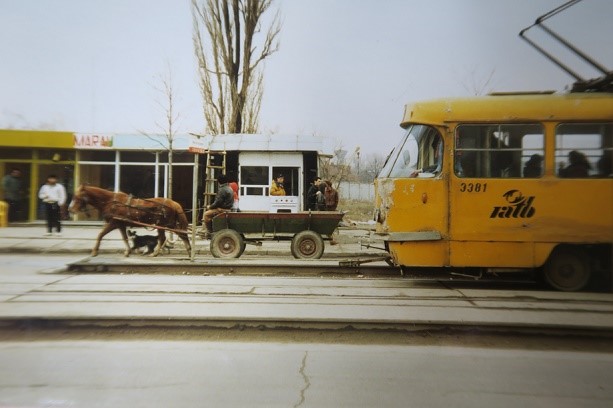
So we ventured outside in a dark Bucharest and started walking down one of the main boulevards. The minister would stop at every building and mention: “this building needs 10 million dollars to be rehabilitated, this one 5 and this one 15”. There had been a strong earthquake in 1986, and many buildings in the city had endured serious structural damage. By the end of the boulevard, the minister’s requests for finance added up to several hundred millions of dollars through the state. Not exactly private sector.
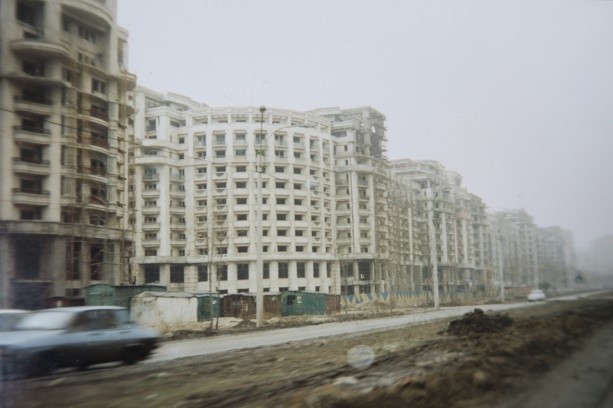
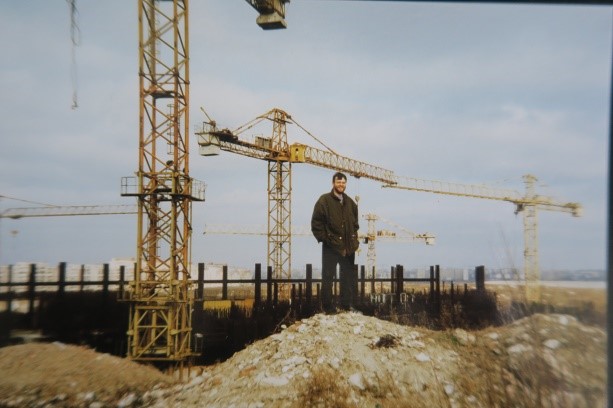
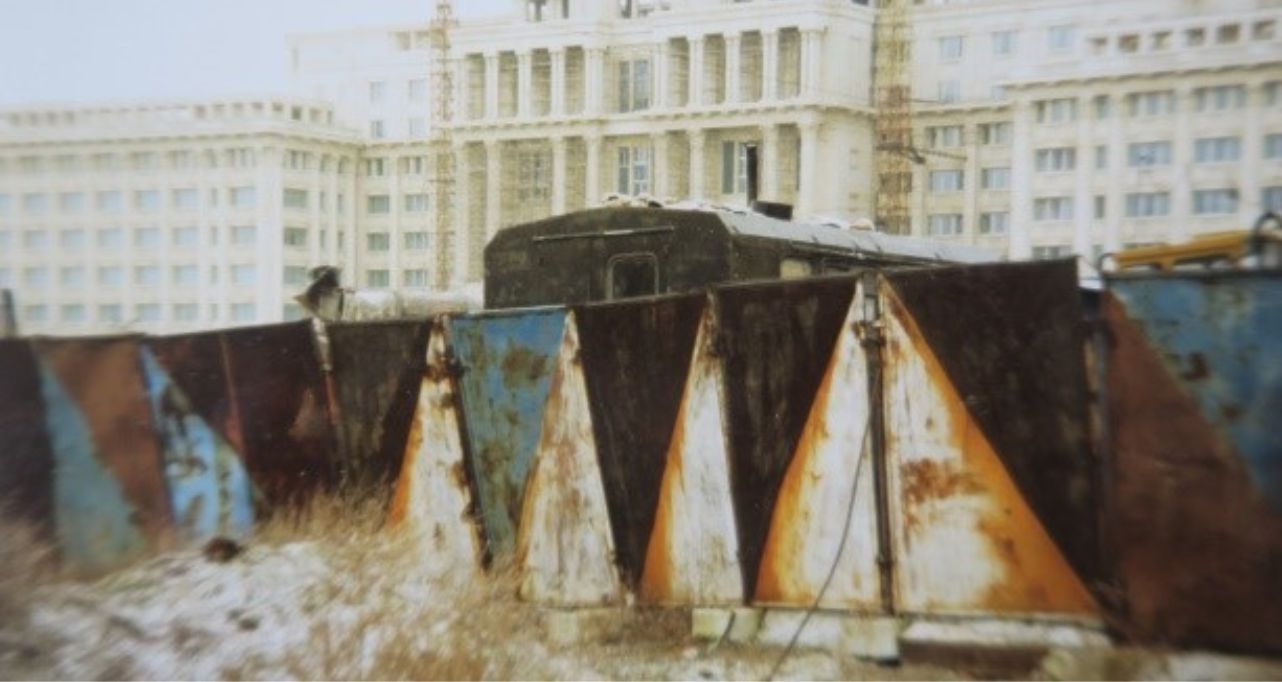
This excursion was then followed by a request for the Bank to finance the completion of the buildings along the Avenue of the Victory of Socialism. This was part of a monumental endeavour during the Ceausescu years to drive a 3.5 kilometres and 92 metres wide avenue through the historic core of Bucharest. Forty thousand people were displaced in the vicinity, with some given 24 hours notice to abandon their houses. With building works having stopped following the revolution, as you went down the boulevard you went from semi finished buildings, to just a muddy hole for the foundations. Once again, at that stage, these projects were either to be financed through the state or through opaque structures which were difficult for the Bank to finance. No private sector project was within grasp just yet.
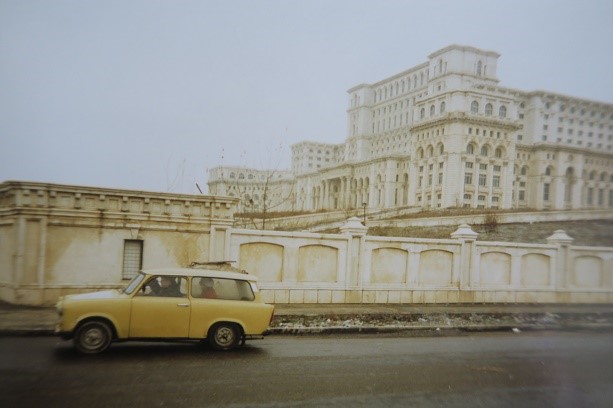
Then came the third request. This time for the building which was to be the crowning jewel of the Avenue of the Victory of Socialism, the House of the People (Casa Popului). Reputed to be the second largest building in the world after the Pentagon (and locals will mention that you can see it from the moon), this building, now called the Palace of the Parliament, has 1,100 rooms, eight underground levels with a nuclear bunker at the lowest level, and is estimated to have been built by up to 100,000 people. This was the ultimate physical embodiment of central planning, with one building planned to contain all the organs of the state. I remember receiving a letter addressed to the EBRD President requesting the Bank finance the completion of the building to transform it into a gigantic international conference centre. It did not pass the sound banking test.
Following these financing requests for public construction, where was I to find the first private sector project? Perhaps in the market where I found the fishmonger on the picture below, selling produce from the back of his car, or across the road from my hotel where a lady was selling a few bananas and oranges. But these were the days before our Small Business Initiative, and a loan from the EBRD was probably not needed at that stage.
And so, there I was with the potential for hundreds of millions of requests for EBRD financing, but for the wrong type of projects. This was a situation we confronted often in the early days, as time was needed to see the emergence of a private sector which the Bank could work with, support and finance.
Josué Tanaka | Visiting Senior Fellow at the Overseas Development Institute
Former EBRD Managing Director, Energy Efficiency and Climate Change, Operational Strategy
and Planning
Select an image to expand
Select an image to expand