Read our Cookie policy here.
Search
Search
Who we are
Overview: about the EBRDWho we are
Overview: about the EBRD
Explore the EBRD’s journey over the decades, investing in businesses, supporting economies and driving lasting change across its regions.
What we do
Overview: how the EBRD operatesWhat we do
Overview: how the EBRD operates
Across three continents, the EBRD supports the transition to successful market economies.
Work with us
Overview: how you can work with the EBRDWork with us
Overview: how you can work with the EBRD
We draw on three decades of regional knowledge and financial expertise to tailor our products and approaches to each client's needs.

 Eng
Eng
 Eng
Eng
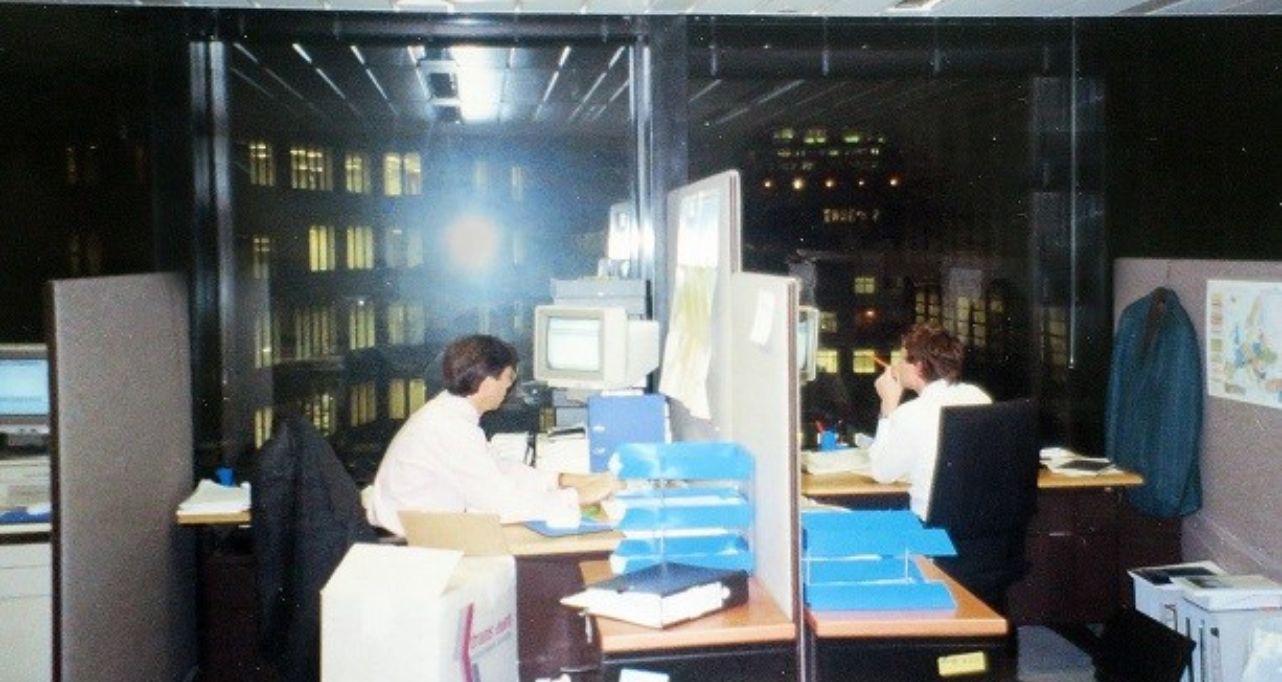
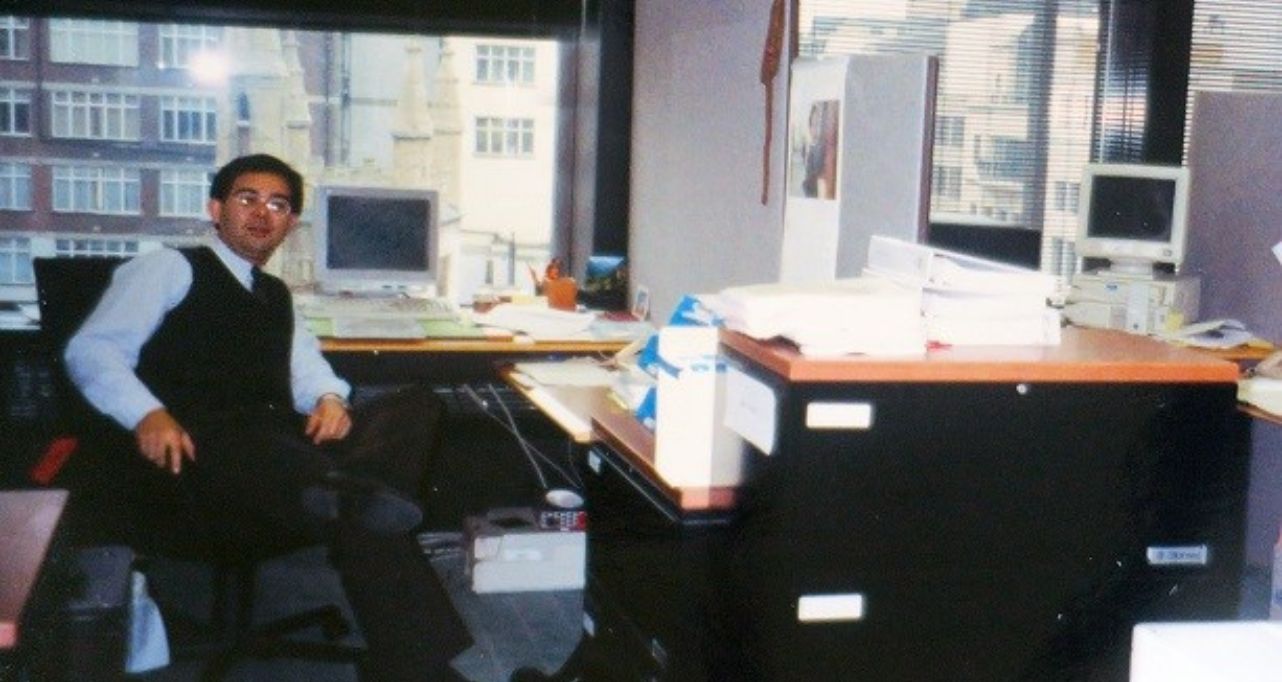
Let’s start in the very early days of the EBRD. When the Bank officially opened on 15 April 1991, our offices were in 122 Leadenhall, across the road from the Lloyd’s building. The building has since been demolished and the ‘cheese grater’ has been built in its place, apparently the most expensive office space in the City. At least, until the coronavirus hit.
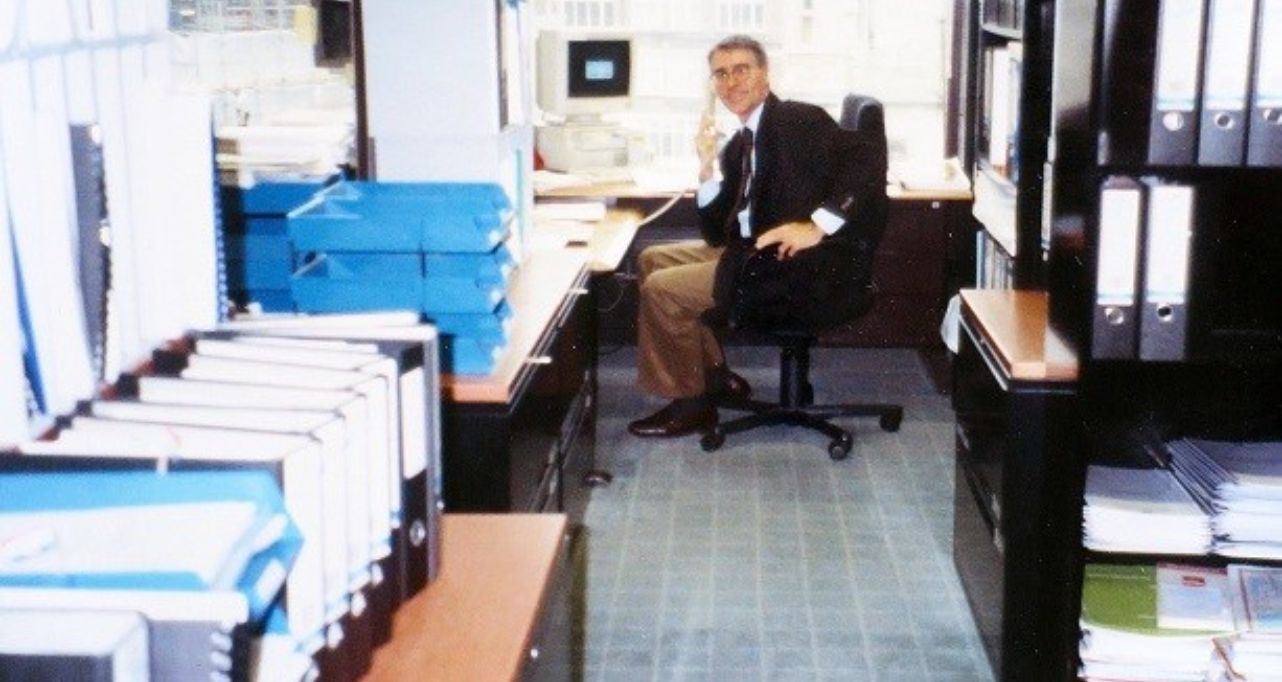
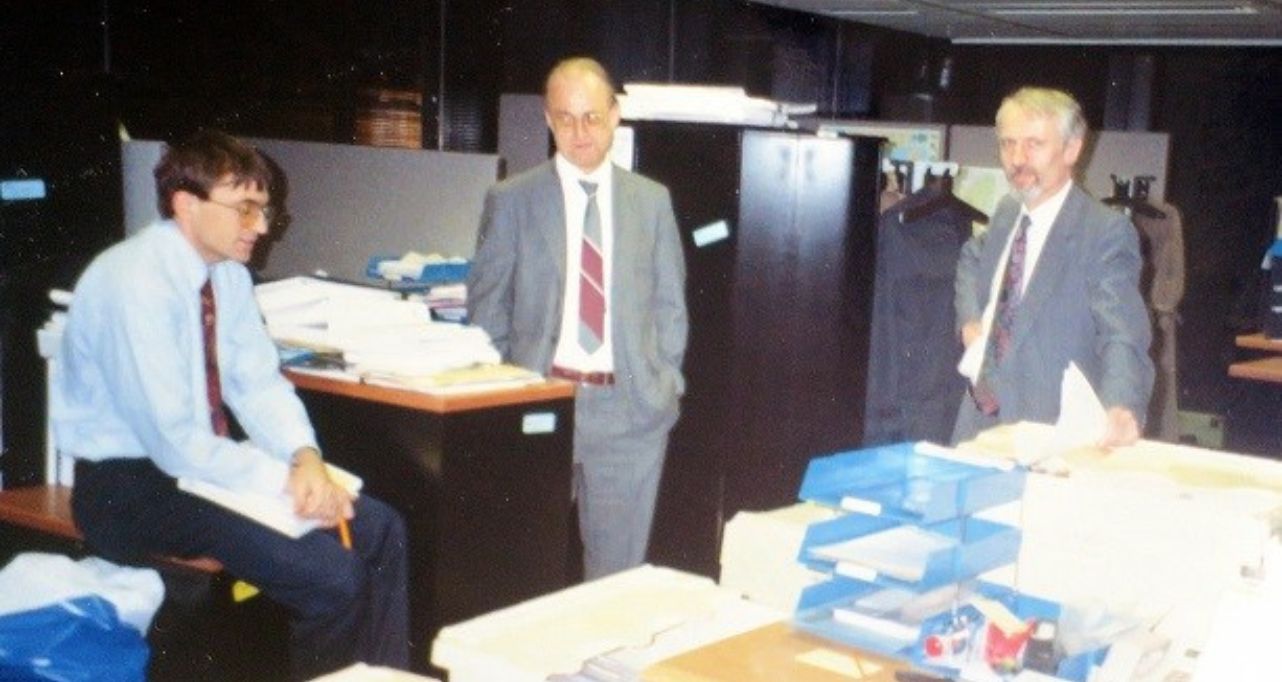
The early years running up to the 1993 Annual Meeting were, for lack of a better word, crazy. Following the Bank’s inauguration, we started with very few staff members – nothing like the 3000 colleagues we have today. The first meeting of Banking staff in early May 1991 included four bankers and one assistant. We opened a map of the region, which still included the Soviet Union, and as there was little infrastructure in the office in terms of desks and computers, each banker went separate ways in search of our first projects.
Due to the pressure to get the Bank off the ground, coupled with the limited number of staff, we worked very unreasonable hours. Leaving before 22:00 was frowned upon, as if you were letting your colleagues down. Every night, I would take the tube back home with dozens of CVs stuffed into my briefcase. We all recognised that hiring new staff was essential to our survival, both from a personal and an organisational perspective!
These early years were quite a period. If you can, try to imagine an EBRD with no procedures and guidelines (sounds great, right?). Well, not so fast…everything, and I mean everything, had to be done from scratch. What should the project approval process look like? What should project due diligence include? What should be covered in the Board document of a project? For some colleagues this was a confusing period. For others, it was perceived as an organisational nirvana!
The EBRD is the product of a major historical event, the Fall of the Wall in Berlin in November 1989. And history did not stop there. Within months of the Bank’s opening, the Soviet Union collapsed and 15 new countries of operations emerged. As we have seen since, we have continued to be shaped and influenced by history providing a range of challenges and opportunities.
A ‘pioneer spirit’ ran through the building as each colleague brought a particular expertise with the intent to build a new organisation able to contribute meaningfully to the historical shift in our region of operations. Exciting. And exhausting.
Josué Tanaka | Visiting Senior Fellow at the Overseas Development Institute
Former EBRD Managing Director, Energy Efficiency and Climate Change, Operational Strategy
and Planning
Select an image to expand
Select an image to expand
Cookie consent
Cookies are pieces of code used to track website usage and give audiences the best possible experience. Use the buttons to confirm whether you agree with default cookie settings when using ebrd.com.
Read our Cookie policy here.
These cookies cannot be disabled. They are essential for core functionality in ebrd.com to ensure a seamless and secure experience.
We use Adobe Analytics cookies to measure usage of the website in order to improve it and respond to end user actions. We review anonymised data on how people reach the site, where they click and so forth. Learn more here about specifics of our cookie use.
We use Adobe marketing cookies to enable us to customise ebrd.com to tailor the website and email marketing services based on the interests of each end user.