

EBRD backs green lending, youth and women’s entrepreneurship in Tajikistan
Funds of up to US$ 16 million provided to Humo Bank
27 Oct 2026

 Eng
Eng
 Eng
Eng
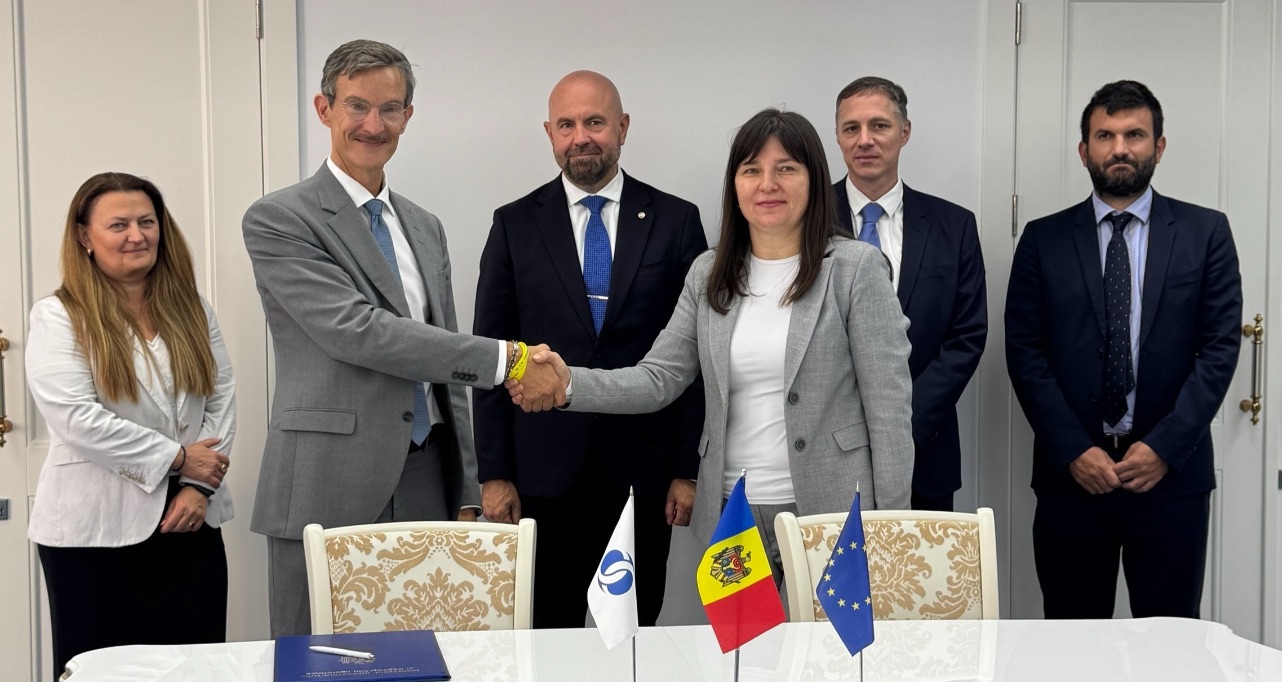
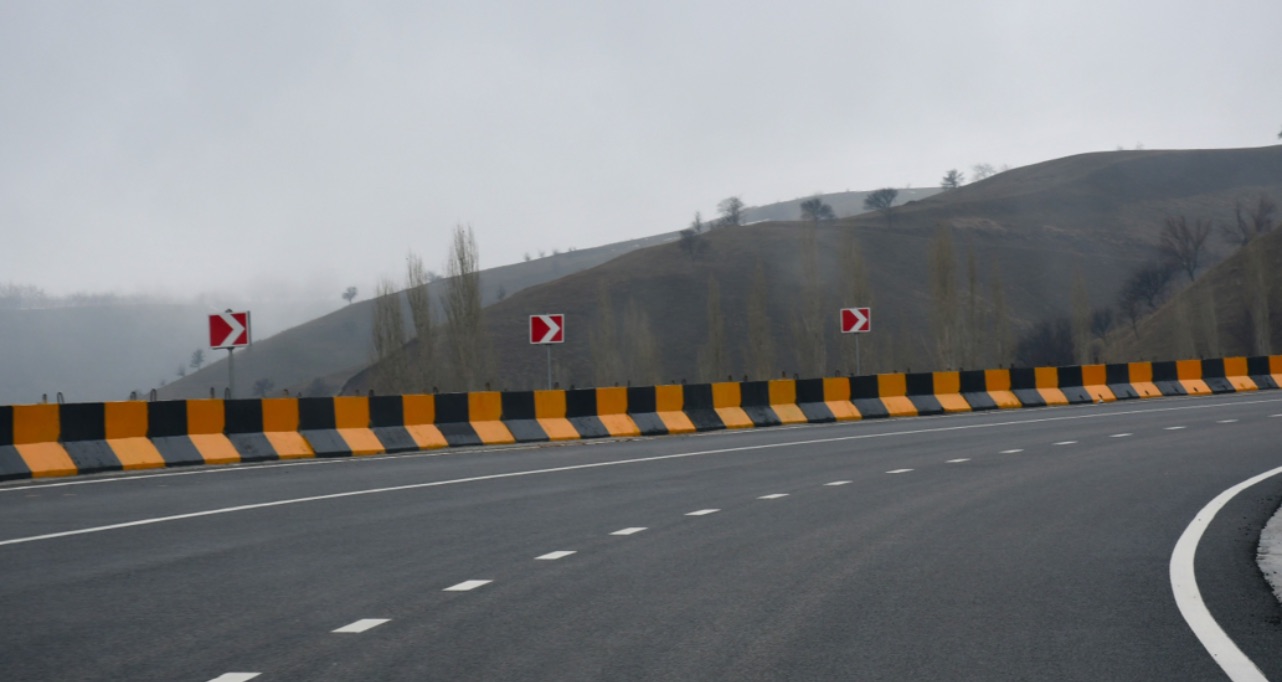
The European Bank for Reconstruction and Development (EBRD) is lending €344 million to Moldova to finance the rehabilitation and construction of strategic sections of the R7 and M3 roads. The Bank’s investment will improve the quality and safety of these key roads in the country, shorten journey times and strengthen the European Union (EU) candidate country’s transport links with Romania, Ukraine and EU markets.
The Bank’s loan is complemented by an investment grant and technical assistance from the EU worth over €13.8 million.
This latest funding builds on €340 million provided by the EBRD in 2024 and 2025 to rehabilitate important road links across Moldova and improve connectivity with its European neighbours.
Together, these investments are helping to modernise Moldova’s transport network, strengthen regional trade links and support economic growth.
The EBRD’s latest loan will allow the government to upgrade the R7 road – a key northern corridor connecting communities with the Romanian border and supporting traffic between Ukraine and Moldova – as well as the M3, Moldova’s principal road link between Chisinau and Giurgiulesti International Free Port on the Danube.
The two roads are part of the Trans-European Transport Network (TEN-T), strengthening Moldova’s position as a gateway between the EU and countries to its east, including Ukraine. They are also part of the EU-led Solidarity Lanes, which facilitate transport of essential goods by land routes amid the continued blockade of Black Sea trade routes as a result of the war in Ukraine.
Ensuring these roads are well maintained, in line with European standards, will facilitate cross-border trade between Moldova, Ukraine and EU markets. Traffic between the EU and Ukraine is expected to increase sharply once post-war reconstruction begins.
Improved road quality will also increase the reliability of passenger and freight transport, and benefit users through reduced vehicle operating costs, improved journey times and enhanced safety on sections that are currently in poor condition.
As part of the investment, the EBRD will help the Moldovan government to strengthen governance in the road sector by developing a long-term National Road Sector Masterplan and Road Funding Strategy. Further support will strengthen corporate governance of the National Road Administration and establish a centralised digital one-stop shop to simplify licensing procedures for electric-vehicle charging infrastructure.
The EBRD is Moldova’s biggest institutional investor. Since the start of Russia’s full-scale invasion of neighbouring Ukraine, the Bank has provided €1.7 billion to Moldova to help mitigate the economic consequences of the war on the country’s economy.
Overall, the Bank has invested more than €3.1 billion across 201 projects in the country.
About the EU Growth Plan
The Growth Plan for the Republic of Moldova worth €1.9 billion is the largest EU financial support package since Moldova's independence. It will boost Moldova's
economy, bring the country closer to EU membership by accelerating reforms, enhancing access to the European Union's single market and provide significant
financial assistance through a dedicated Reform and Growth Facility for Moldova for the period 2025-2027. The Growth Plan will mobilise investments for jobs
and growth and, most importantly, transform the lives of Moldovan citizens.