


EBRD backs largest solar PV project in Egypt and Africa
1.2 GW plant and 600 MWh battery storage to strengthen energy security
20 Oct 2026
Who we are
Overview: about the EBRDWho we are
Overview: about the EBRD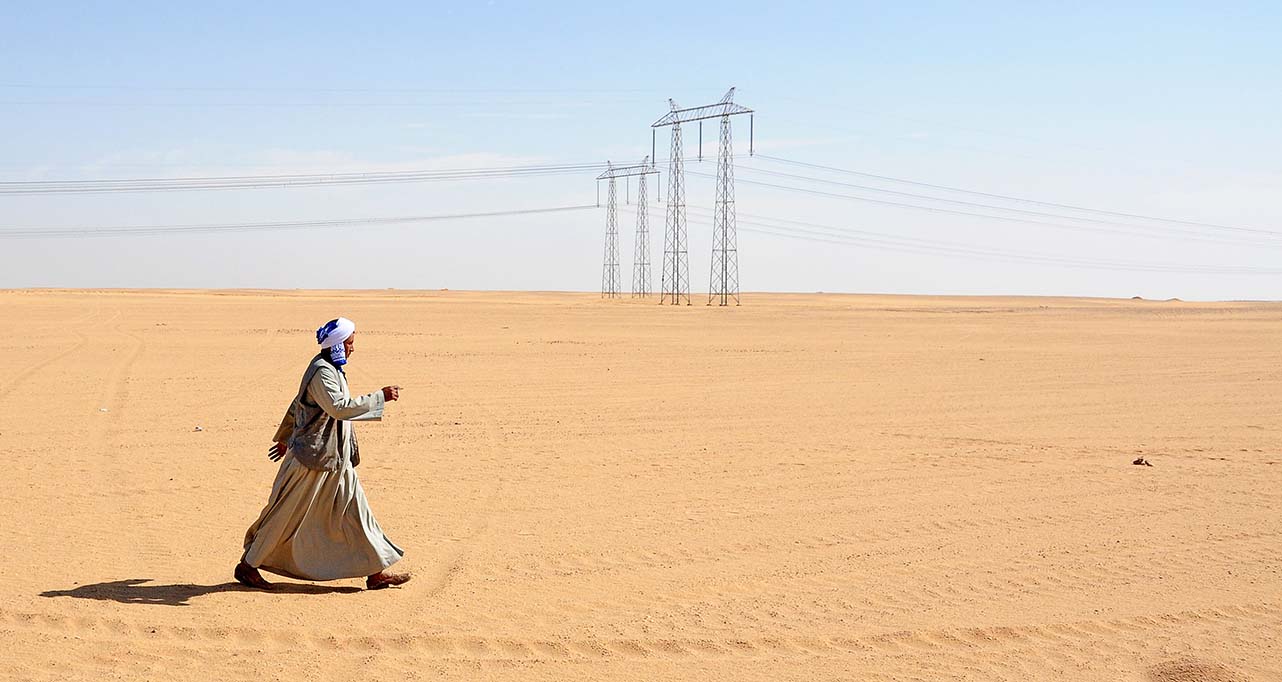
Learn about the EBRD's journey to investing more than €220 billion in over 7,800 projects.
What we do
Overview: how the EBRD operatesWhat we do
Overview: how the EBRD operates
Across three continents, the EBRD supports the transition to successful market economies.
Work with us
Overview: how you can work with the EBRDWork with us
Overview: how you can work with the EBRD
We draw on three decades of regional knowledge and financial expertise to tailor our products and approaches to each client's needs.

 Eng
Eng
 Eng
Eng
The European Bank for Reconstruction and Development (EBRD) has launched its inaugural Economic Governance Strategy, reaffirming its commitment to strengthening economic governance across the economies where it invests.
Under the EBRD’s Strategic and Capital Framework for 2026-30, economic governance is one of three priority areas for the Bank, alongside the transition to a green economy and human capital and equality of opportunity for all.
Economic governance lies at the very heart of the EBRD’s transition mandate, with the Bank consistently championing the principles of transparency, accountability and fair competition as essential pillars of open and prosperous market economies.
The strategy, which covers the period 2026-30, seeks to deepen the Bank’s impact by focusing on long-term, systemic change, fostering competitive business environments and well-governed public and private companies that support growth and innovation while mobilising domestic and foreign capital.
Melis Ekmen Tabojer, the EBRD’s Managing Director for Policy, Strategy and Delivery, said: “This strategy is designed to deliver tangible benefits across the economies where we operate. It will help governments to strengthen institutions, advance reforms and attract investment; it will support improvements to public-sector clients’ service delivery and cost recovery; and it will help private-sector clients to improve corporate governance, meet market standards and strengthen competitiveness.”
“Financial institutions will be in a better position to allocate capital effectively and build resilience; consumers will benefit from fairer and more competitive markets; and investors will gain from a more predictable business environment, expanded opportunities and reduced project risks.”
Three new operational elements will be introduced to support the delivery of the strategy. First, beginning in 2026, every investment and client engagement will undergo systematic screening to identify opportunities for meaningful economic governance reform. Second, Economic Governance Action Plans will translate identified reform potential into coherent, project-specific engagements, consolidating economic governance activities across transition qualities. Third, Sector Reform Roadmaps will establish structured, longer-term reform pathways in priority sectors and countries, aligning investment, policy engagement and capacity building through strategic sequencing across multiple operations within the same sector.
Operational delivery will be supported by a combination of reporting and targets, alongside a robust Performance and Impact Monitoring Framework that incorporates quantitative and qualitative metrics, while narrative insights will be published in the EBRD’s annual Impact Report.
Prior to the finalisation of the strategy, the Bank organised a public consultation, inviting stakeholders to provide comments and feedback on a draft version between 12 February and 28 March 2026.
The EBRD is owned by 77 countries, as well as the EU and the EIB. Since its establishment in 1991, the Bank has invested more than €220 billion in economies on three continents.
1.2 GW plant and 600 MWh battery storage to strengthen energy security
20 Oct 2026

Event
EBRD will take part in the 17th meeting of the Conference of the Parties to the Convention on Biological Diversity (COP17)
19 Oct 2026

The Heads of MDBs Group met at the ADB headquarters in Manila today
17 Oct 2026