
Search
Search

 Eng
 Eng
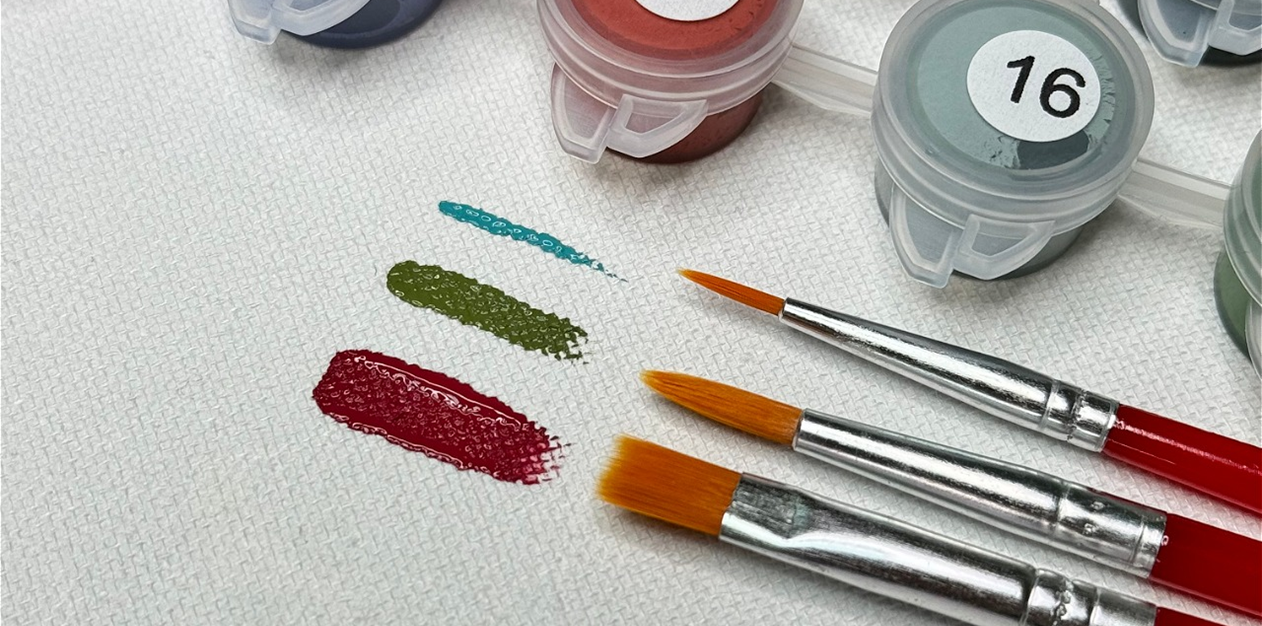
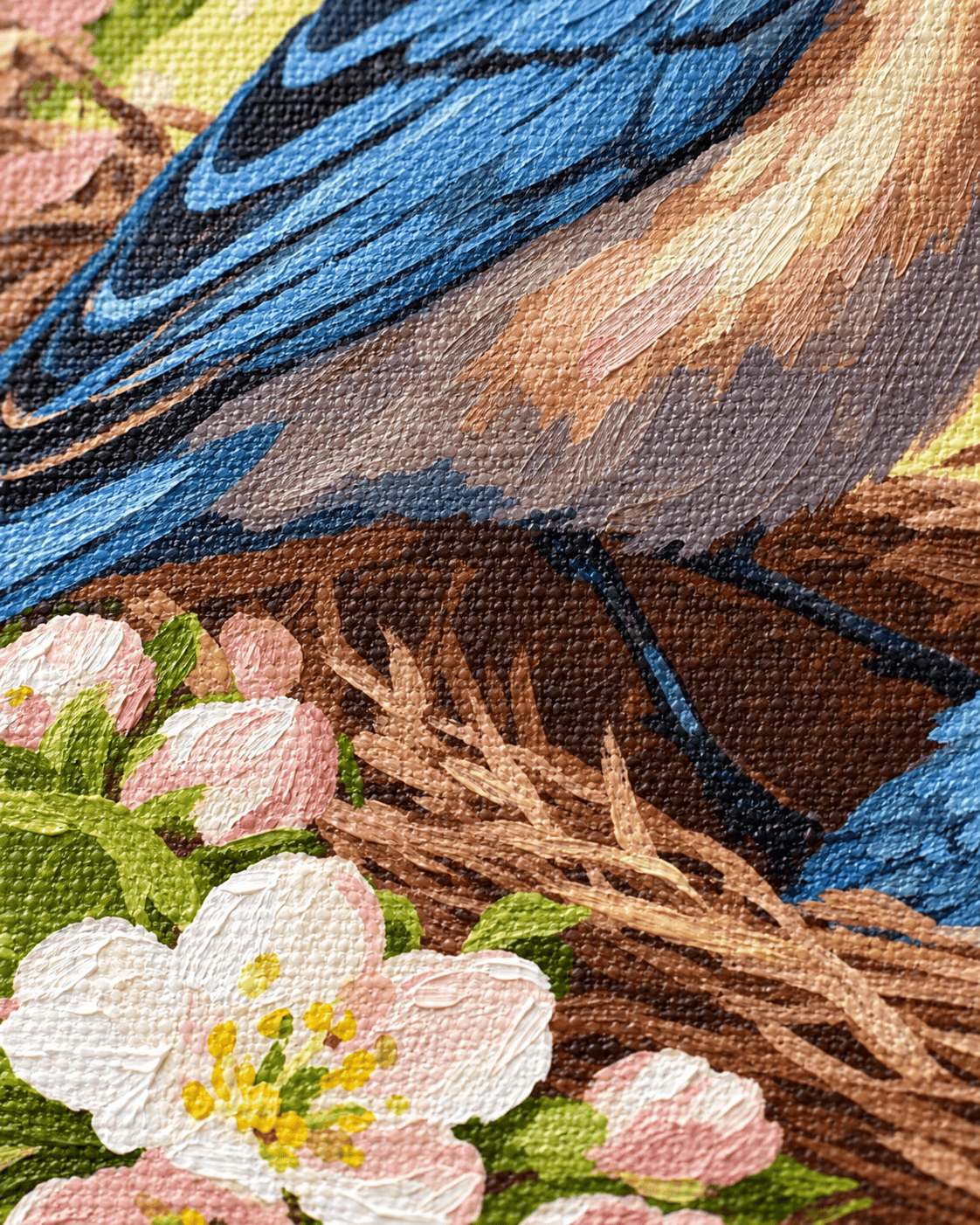
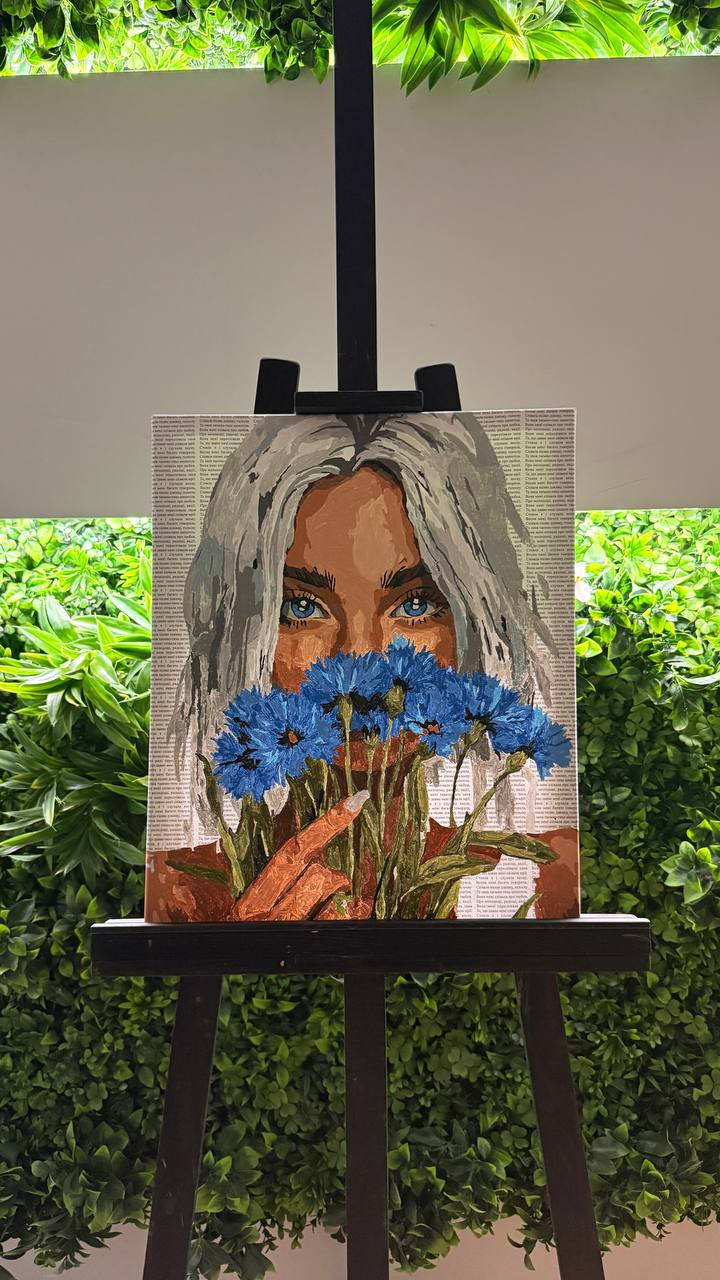
For many people, channelling creativity is a way to slow down, relax and find moments of peace. Kiddi-Co PE, a company in Ukraine specialising in paint by numbers and art kits, always sought to bring this feeling to people through its products – a purpose that has become especially meaningful for Ukrainians navigating the realities of war.
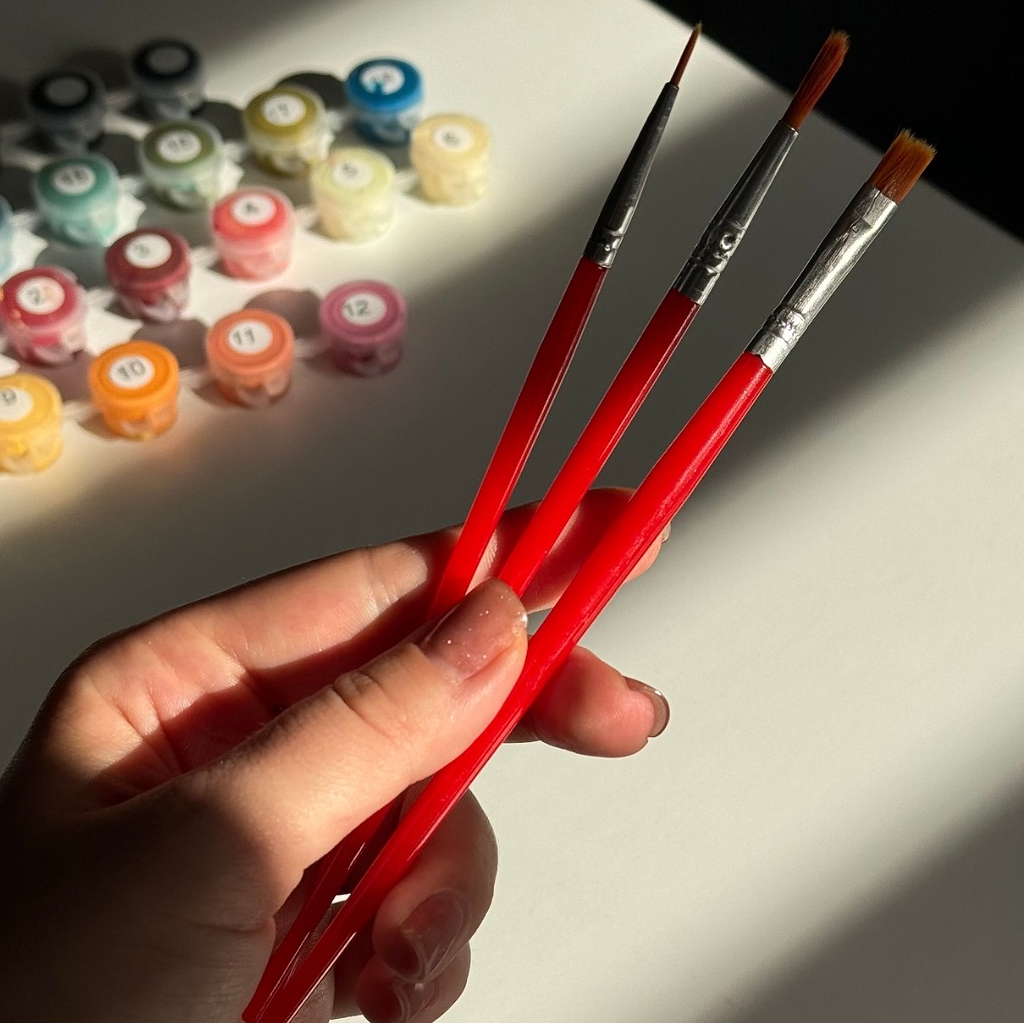
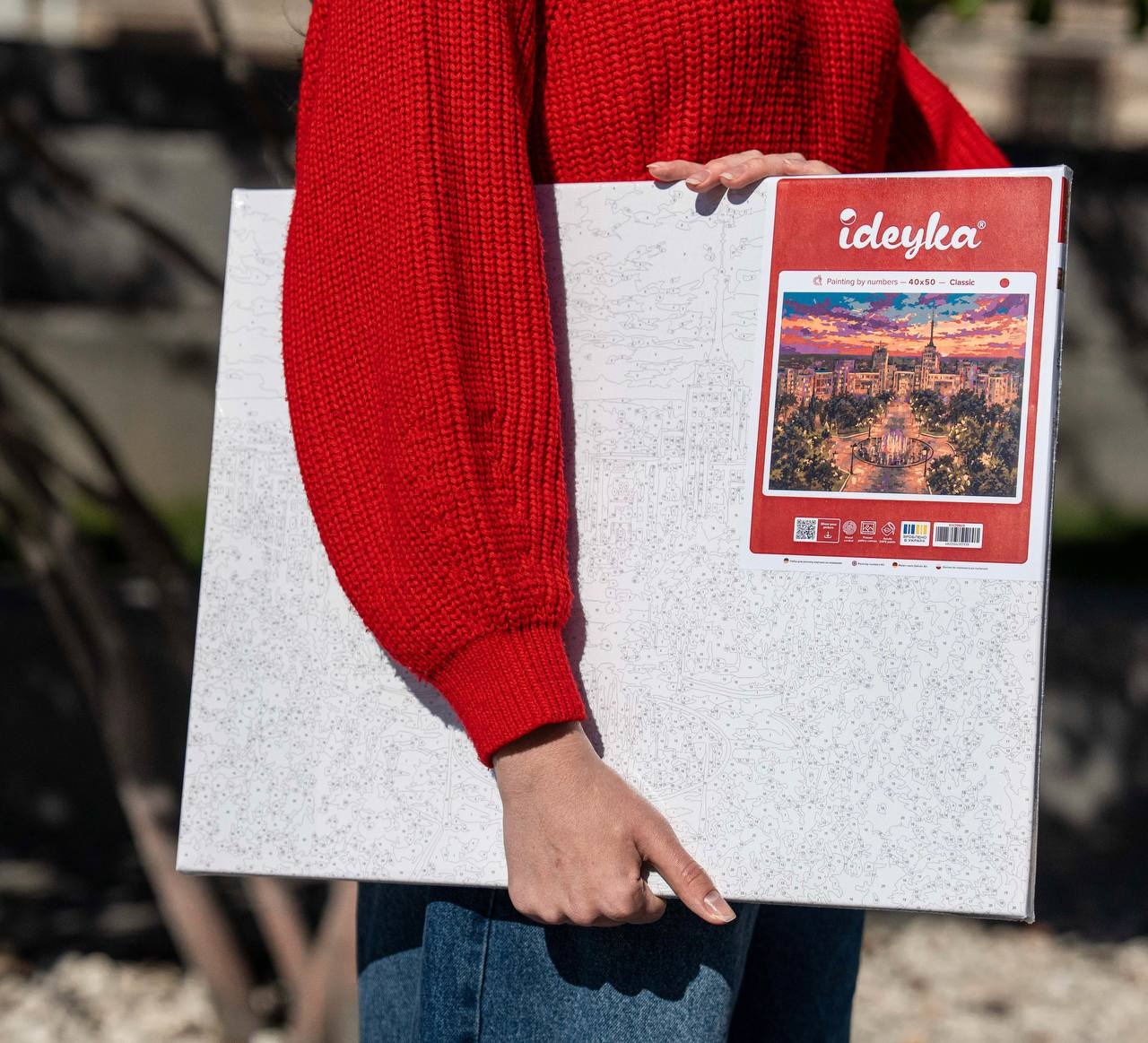
Founded by Olena Yelahina in 2007, the company has grown from a business distributing stationery and children’s goods into a leading Ukrainian producer of creative leisure products under the TM Ideyka brand, offering paint by numbers kits, diamond mosaics, acrylic paints, varnishes, artists’ canvases, puzzles and printed children’s periodicals.
With the full-scale invasion of Ukraine making safe and stable production in Dnipro increasingly difficult, Kiddi-Co faced a crucial decision: relocate or risk the future of the business.
The EBRD and its Small Business Impact Fund* supported TM Ideyka during its relocation and continuing production in the midst of war.
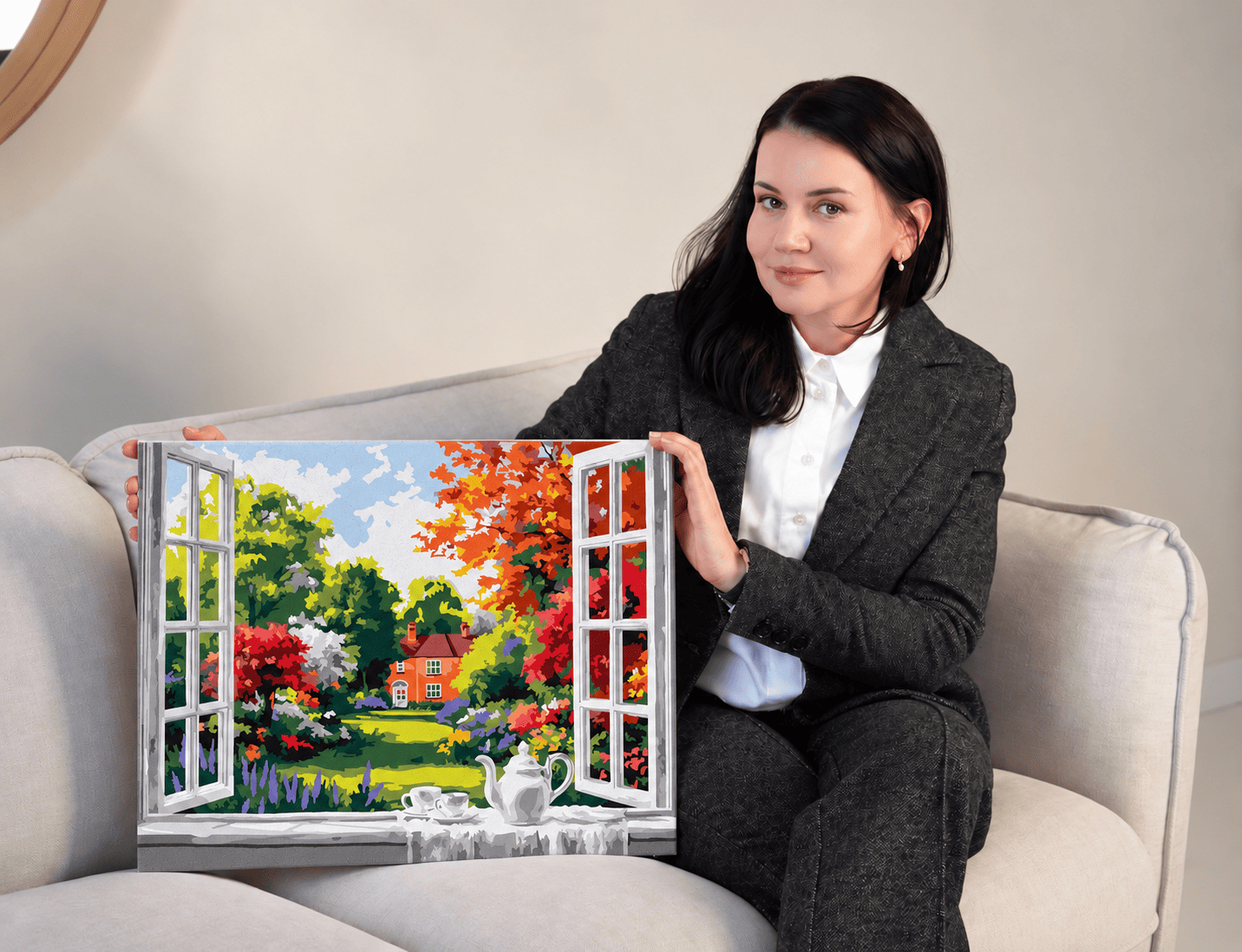
Olena founded the company after gaining experience in the toys and children’s products sector. Kiddi-Co initially operated as a small distribution business, supplying educational toys to retailers. “I was doing everything myself – sales, negotiations, purchasing…” she recalls.
The business gradually expanded into arts and crafts products and related stationery. Around 2011–2012, it began developing its own manufacturing capabilities.
A major milestone came in 2014, when TM Ideyka launched the first Ukrainian-made paint by numbers kits. At the time, Chinese products dominated the market, and many doubted that local production could compete.
“Everyone told us that we wouldn't be able to compete with China on price,” says Olena. But she was convinced that the company could focus on building its competitive advantages through a distinctive product range, innovation and flexibility in responding to market needs.
There was another challenge: the concept was still unfamiliar in Ukraine. The team placed partially painted canvases in shops, with some areas outlined and others already painted, so customers could feel confident that they needed not to know how to paint to get started.
The journey was far from easy. Initially, much of the production was manual, making the kits costly to manufacture. Developing suitable acrylic paints for artistic use also took time, as this type of paint was not yet produced in the country. Having experienced an allergic reaction to imported paints, which contained antifreeze agents to withstand transportation, Olena was determined to ensure that her own paints were formulated to be safe. Sourcing wood brought another unexpected obstacle: as a woman negotiating with sawmills, Olena sometimes faced gender bias when trying to secure fair prices.
“We had no one to learn from, so we had to find our own way – figuring out the best equipment for printing, how to cut the wooden frames, how to assemble them, and so on. It was challenging, but at the same time, very interesting,” Olena recalls.
Over the years, Kiddi-Co developed its own full-cycle production and expanded its range to include diamond mosaics and other creative products. The company obtained product safety certifications and achieved the Green Crane label. It now describes itself as the largest producer of paint by numbers kits in eastern Europe.
Russia’s full-scale invasion of Ukraine forced the company to change plans.
Kiddi-Co's production facilities were located in Dnipro, between the railway station and a railway bridge, dangerously close to areas that had already twice come under heavy shelling. European partners were also increasingly reluctant to work with the company because of the city's proximity to the front line.
But there was one challenge Kiddi-Co managed to avoid: a shortage of materials. “I always like to be on the safe side,” Olena says. She keeps a six-month supply of Chinese materials in stock, a precaution that proved crucial during both the Covid-19 pandemic and the full-scale invasion, when deliveries were disrupted. While many businesses faced limited supplies, Kiddi-Co was able to keep operating.
As the war raged on, relocating production became essential for the company’s safety and future. The process involved finding and preparing new premises, transporting and installing equipment, and setting up engineering systems and production processes. In August 2024, all production departments began operating in the western city of Kalush.
With relocation assistance from the EBRD and its Small Business Impact Fund, Kiddi-Co was later able to recover one-third of its key relocation costs.
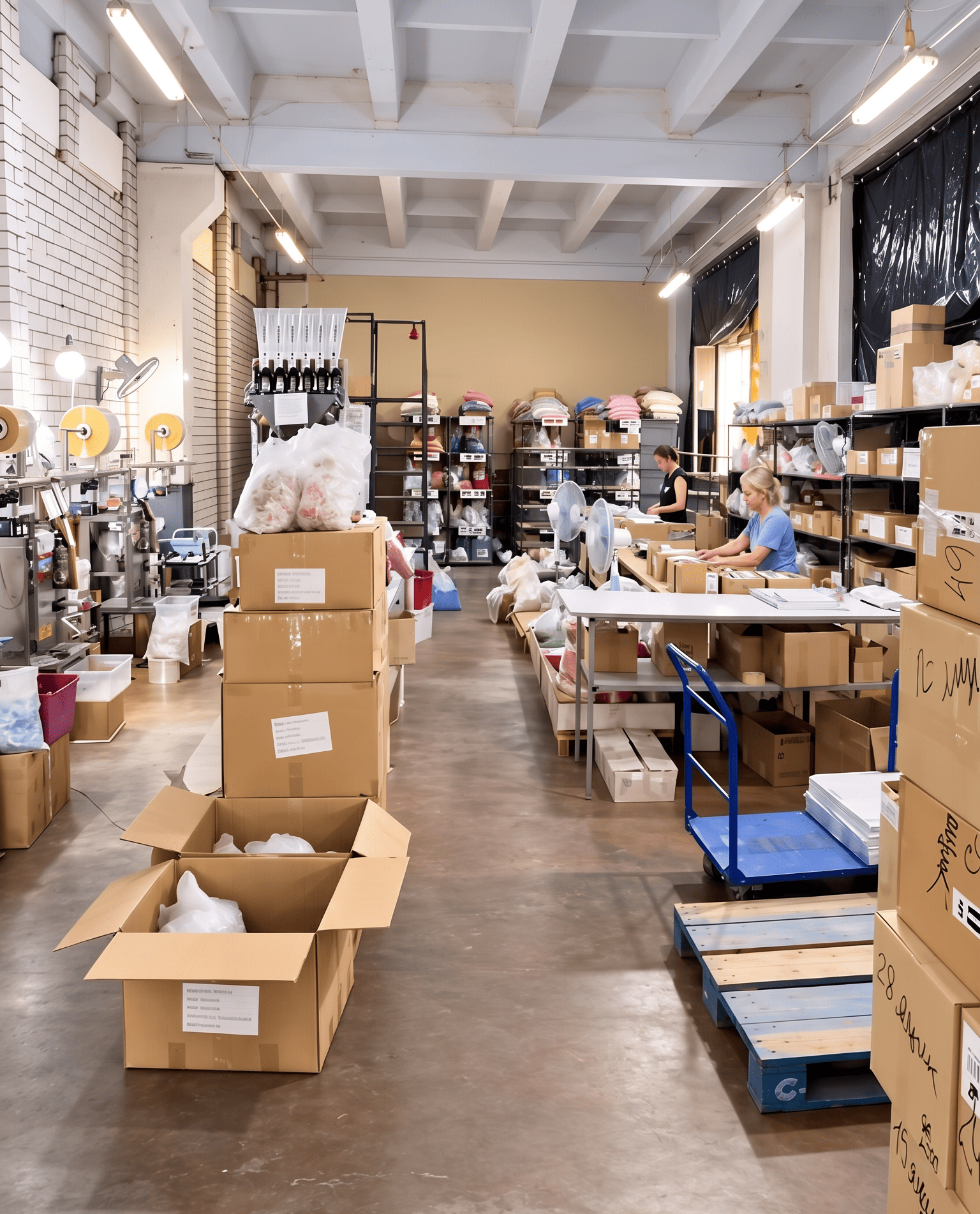
Moving the equipment was only part of the challenge. Less than 10 per cent of the company’s production staff relocated to Kalush. The company therefore had to rebuild much of its workforce while restoring production. Kalush offered an unexpected opportunity: the closure of a large petrochemical plant had put experienced specialists on the local labour market. “We found very strong specialists there,” Olena says.
Former employees who relocated temporarily also helped train new colleagues, allowing the company to gradually establish a new team.
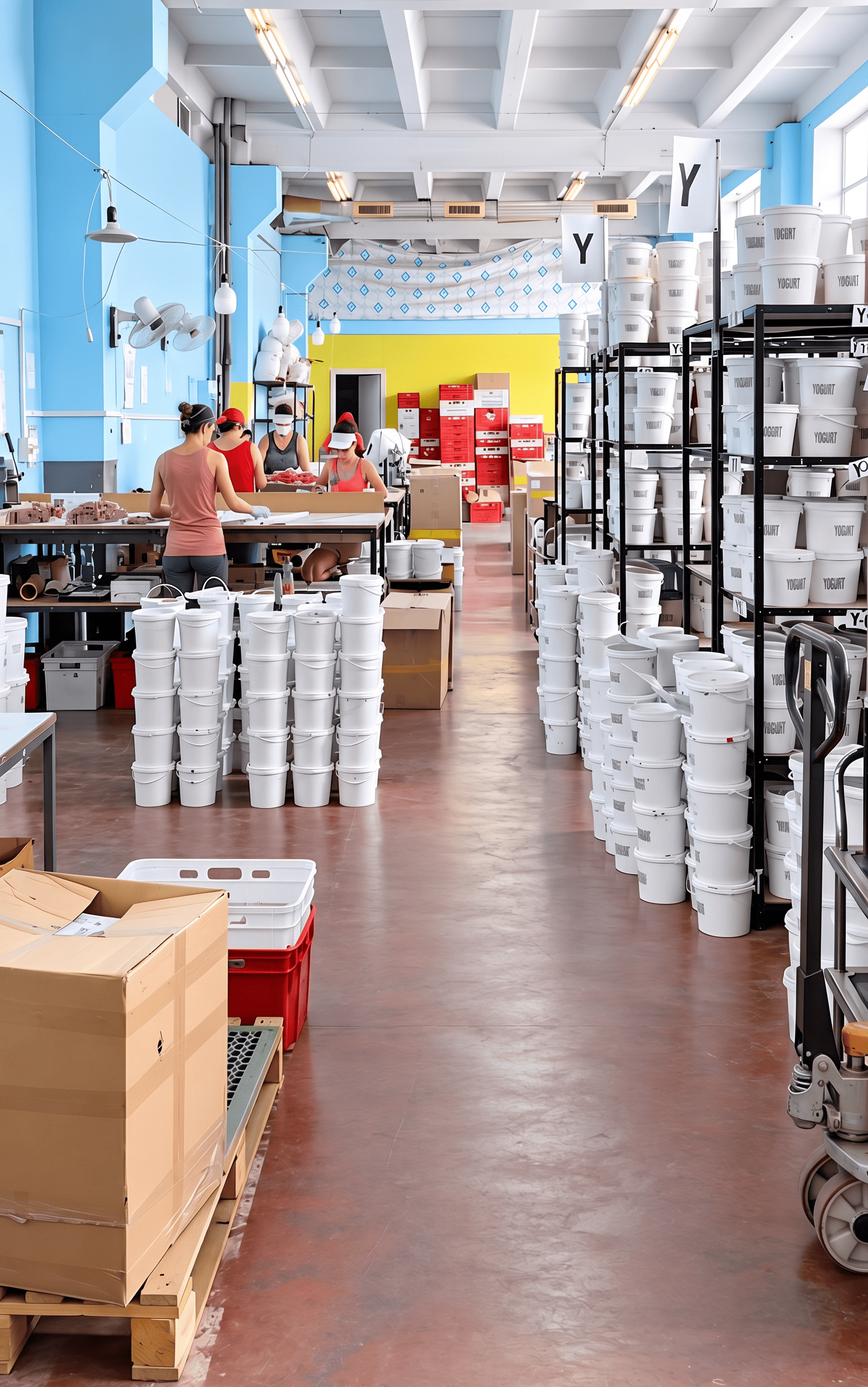
Today, Kiddi-Co operates from a 4,000-square-metre automated production facility with capacity of more than 320,000 units per month. The relocation has helped the company establish safer working conditions, ensure uninterrupted production, optimise logistics, move closer to export markets, and maintain and expand its client base.
Even amid uncertainty, sales grew as people turned to creative activities to foster calmness. Demand for patriotic paint by numbers kits surged, inspiring an unprecedented wave of new work from Ukrainian artists. These paintings reflected shared pain, hope and national unity, creating fresh opportunities for both the artists and the business.
The company is expanding its export markets, with European orders shipped through its operation in Poland, and is developing its presence in markets including Germany. It has also rebuilt its website infrastructure to support international growth.
Looking ahead, Kiddi-Co plans to increase production capacity, strengthen its brand internationally and further improve quality standards through certification. It also aims to make its production more environmentally responsible and enhance its technologies.
For Olena, looking forwards has always been part of being an entrepreneur: “I understand that my way of thinking ahead really helps. I believe the ability to see the bigger picture and look far into the future is essential for anyone running a business, especially in such difficult times as these.”
At the same time, the company continues to develop new creative products. The details are still under wraps for now… but watch this space!
Select an image to expand
Select an image to expand