
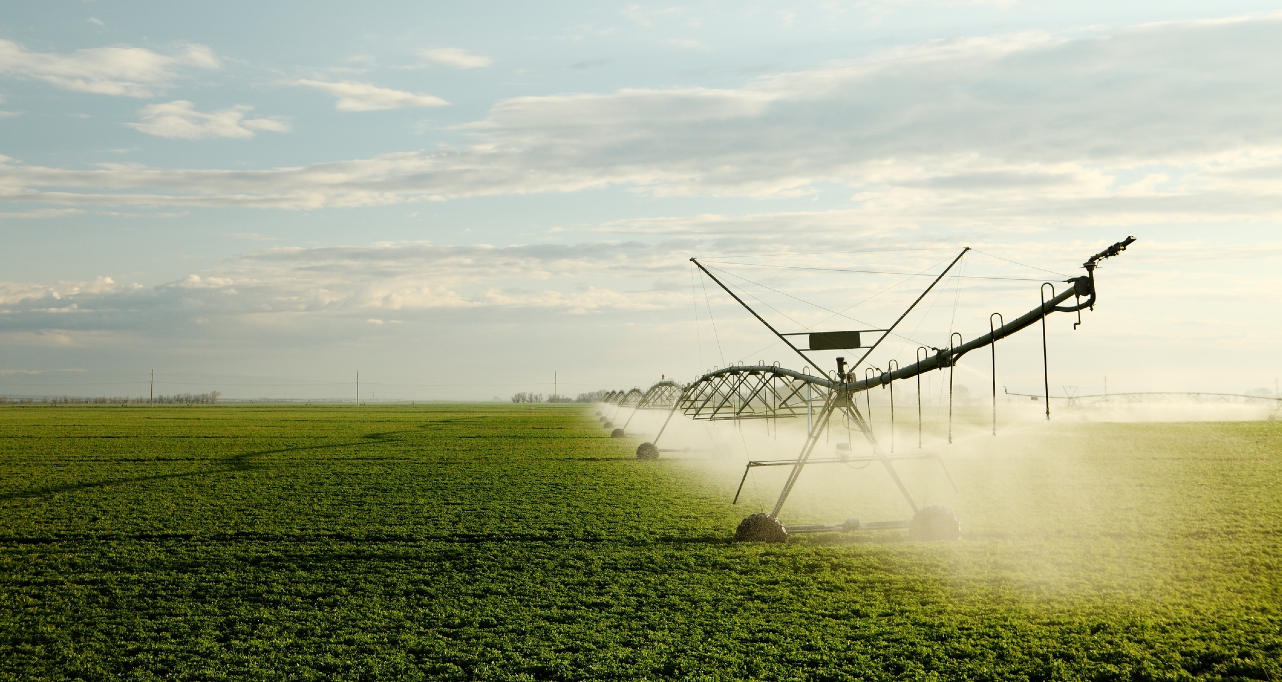
EBRD finances rehabilitation of Moldova’s key irrigation systems
€102.9 million loan, complemented by EU grant and national contribution, will restore reliable irrigation and strengthen climate resilience
13 Oct 2026
Who we are
Overview: about the EBRDWho we are
Overview: about the EBRD
Learn about the EBRD's journey to investing more than €220 billion in over 7,800 projects.
What we do
Overview: how the EBRD operatesWhat we do
Overview: how the EBRD operates
Across three continents, the EBRD supports the transition to successful market economies.
Work with us
Overview: how you can work with the EBRDWork with us
Overview: how you can work with the EBRD
We draw on three decades of regional knowledge and financial expertise to tailor our products and approaches to each client's needs.

 Eng
Eng
 Eng
Eng
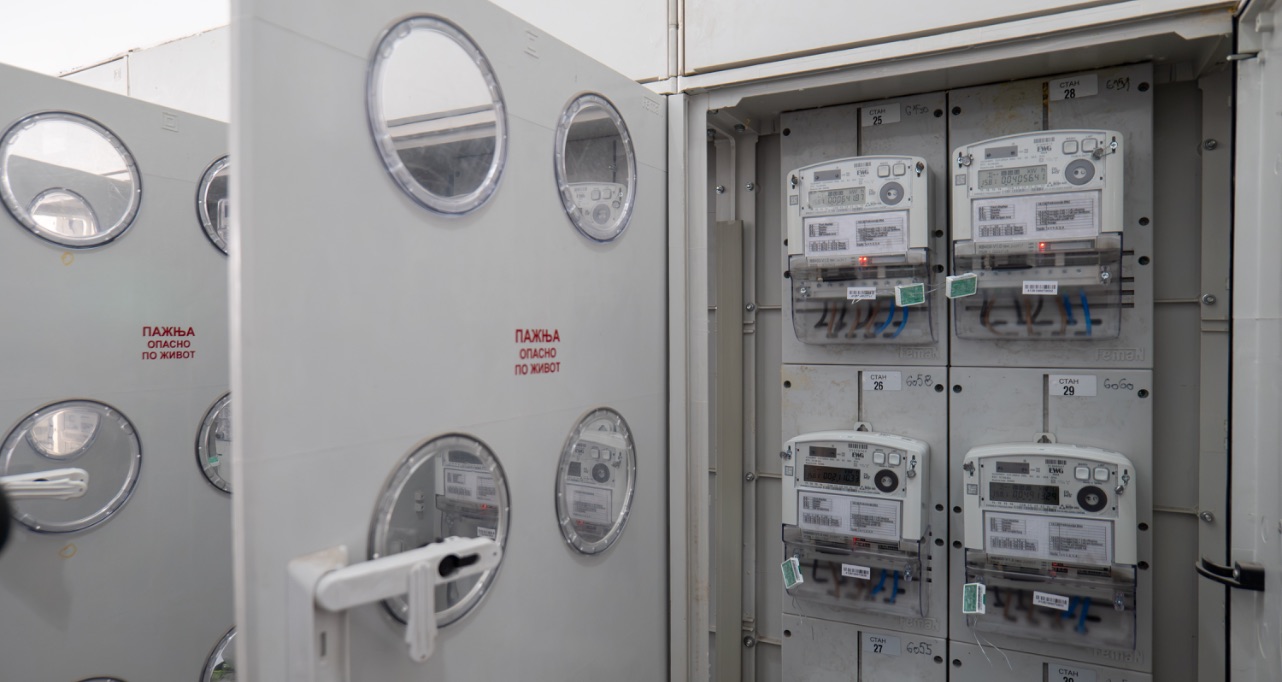
More than 900,000 customers connected to Serbia’s electricity distribution network now have smart meters, following investments by electricity distribution company Elektrodistribucija Srbije (EDS) supported by the European Bank for Reconstruction and Development (EBRD) and the European Union (EU) through the Western Balkans Investment Forum (WBIF).
A joint EBRD and EU delegation – led by Francesco Corbo, the EBRD’s Regional Head of Energy for the Western Balkans and Croatia and Andreas von Beckerath, the EU’s Ambassador to Serbia – visited Niš, one of Serbia’s leading cities for smart meter coverage, to see how the rollout is benefiting households and helping modernise Serbia’s electricity distribution network.
Smart meters improve service quality for customers, increase transparency and accuracy in billing, and provide the data needed for better grid management, strengthening system reliability and supporting Serbia’s wider energy transition.
The large-scale replacement of meters was initially supported by EU grants worth €110 million. The rollout continued with the support of a €40 million EBRD loan, and preparations are under way to replace an additional 400,000 meters with financing from the European Investment Bank.
During the visit to Niš, EBRD and EU representatives visited a residential building where 140 smart meters have been installed.
The EBRD’s Francesco Corbo said: “Modernising electricity distribution networks is key to Serbia’s transition to a more efficient, resilient and low-carbon energy system. By supporting EDS’s rollout of smart meters, we are strengthening network reliability and efficiency while enabling greater integration of renewable energy and more active participation by consumers.”
“For Serbian citizens, the benefits are simple and practical: more accurate bills, easier access to information on consumption, and better control over household energy costs,” added von Beckerath. “This matters because Serbia’s energy system is entering a new phase. Rooftop solar panels, heat pumps, electric vehicles and local energy communities will increasingly change the way electricity is produced, measured and consumed.”
Biljana Komnenić, Acting Director of EDS, said: “We are actively working on digitalisation and introducing the most modern technologies into the electricity distribution system. This project brings savings and benefits to both users and the company. So far, around €200 million has been invested in the installation of smart meters in Serbia, and almost every fourth meter is now read remotely. Our strategic decision is that every new connection should have a smart meter. For EDS, this enables a better overview of the network and improved management, while users can monitor their own consumption and become more energy efficient. This autumn, a portal will be launched to give all smart meter users continuous insight into their consumption.”
€102.9 million loan, complemented by EU grant and national contribution, will restore reliable irrigation and strengthen climate resilience
13 Oct 2026

Video
With support from donors, we are modernising Ulaanbaatar’s district heating system to keep homes and businesses warm through winter
13 Oct 2026
Facility to cover goods in temporary storage and gas-related assets
13 Oct 2026