

Video
Supporting agriculture in wartime Ukraine
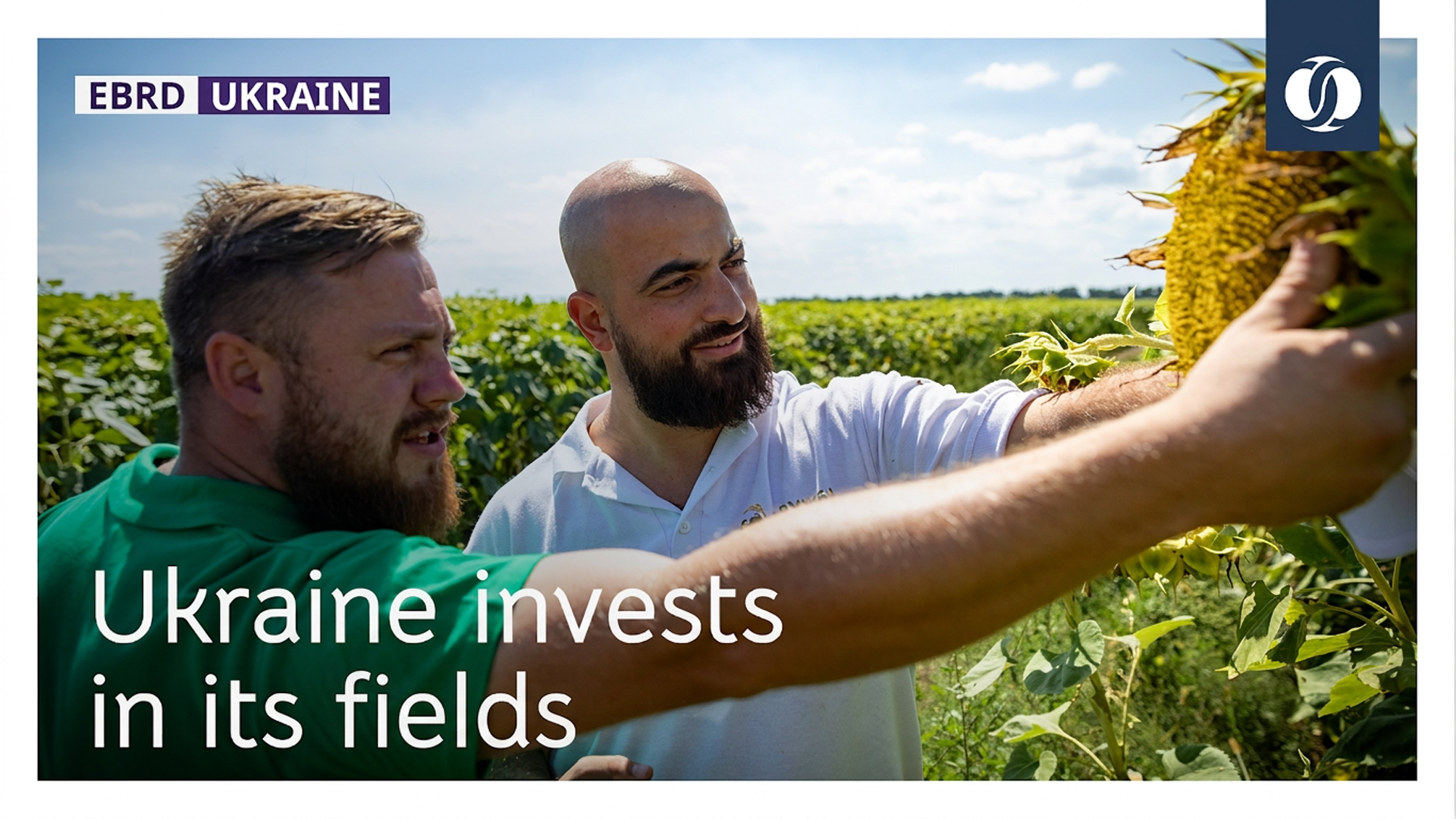
Ukrainian farm is restoring irrigation to protect its crops and cut costs with support from the EBRD and its donors
08 Oct 2026

 Eng
Eng
 Eng
Eng
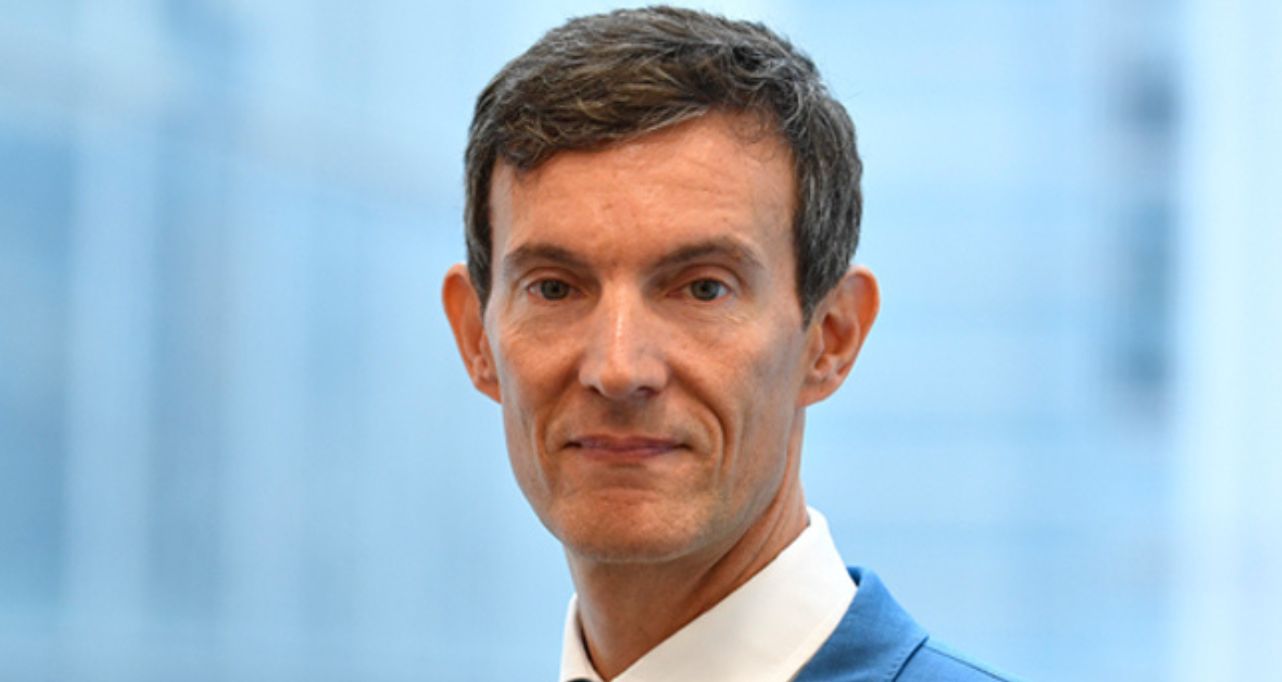
When I reflect on the EBRD’s work in Ukraine since February 2022, what stands out above all is that we kept investing – and even increased our footprint – at a time when many others stepped back. That decision has shaped everything we have done since then.
By May 2026, our total war-time finance in the country had reached €10 billion. This is not just a headline number. It reflects tens of thousands of businesses that have continued to operate – and in some cases even expand – paying taxes and providing livelihoods, with support from us and our partner financial institutions.
It also reflects close cooperation with the Ukrainian authorities to keep critical public service providers functioning, supplying energy, heating and transportation services to the economy.
From the outset, the priority was continuity. In the early months of the war, we moved quickly to provide emergency liquidity to key state-owned enterprises – Ukrenergo, Naftogaz and Ukrainian Railways – and to support essential infrastructure.
Energy has since become a central pillar of our work
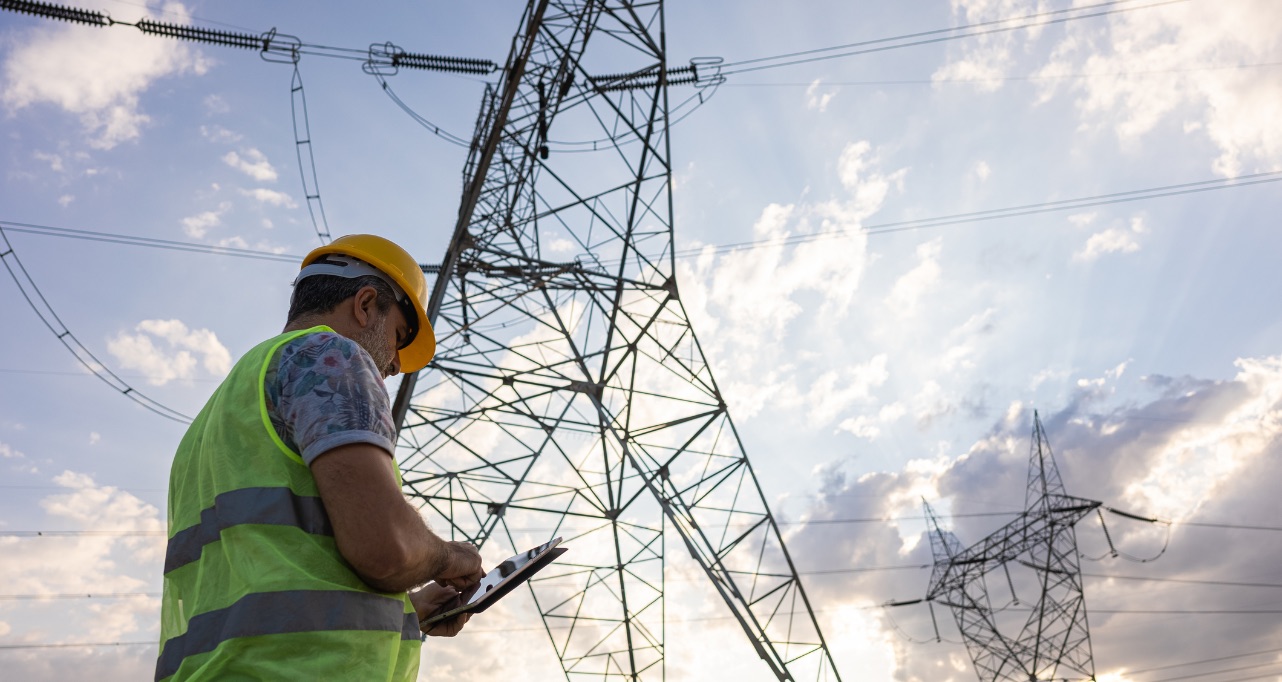
Russian attacks have systematically targeted Ukraine’s energy system, so helping the country to keep the lights on and the heating running has been essential. Last year alone, we provided more than €1.2 billion to the sector. This included emergency gas procurement for Naftogaz, major support to Ukrenergo to stabilise the grid and investments in decentralised generation.
A key lesson has been the importance of flexibility. Large, centralised power generation assets are vulnerable, so we have focused increasingly on distributed solutions – smaller, modular units that can be deployed quickly and are harder to disrupt.
Around 700 MW of electricity generation and more than 400 MW of heat capacity, much of it decentralised, is expected to come online through our financing in the near term. We also continue to engage closely with counterparts on sectoral reforms, in coordination with international partners and the European Union.
Later this year, we expect the first tenders under the joint EBRD-World Bank Group Renewable Acceleration and Market Development for Ukraine Programme (RAMP UP) initiative, a price stabilisation and support facility designed to de-risk 1 GW of new renewable energy capacity.
However, energy is only part of the story. Ukrainian cities are on the front line of resilience, and we support them in meeting a wide range of needs. We have cumulatively invested around €900 million in 38 municipal projects, covering district heating, public transport, water supply and emergency liquidity. I have seen first hand in places like Kharkiv how these projects directly improve people’s lives, helping to maintain a sense of normality even in the most difficult circumstances.
Supporting the private sector has been equally important
Even in wartime, Ukraine’s businesses continue to operate, adapt and invest. In 2025, more than half of our financing went to private companies. Through portfolio risk-sharing guarantees, we have enabled billions of euros of lending by Ukrainian banks to businesses, particularly SMEs. This is critical to maintaining jobs, production and trade.
We have also worked to address one of the biggest barriers to investment: war-related risk. Through initiatives such as the Ukraine Recovery and Reconstruction Guarantee Facility, we have helped to revive the war-risk insurance market, allowing companies to continue operating and investing. New instruments are also helping businesses to manage losses and maintain access to finance despite war damage.
What is more, we are strengthening the functioning of Ukraine’s capital market. This June, an EBRD-supported law to establish a more integrated and internationally anchored capital market infrastructure was submitted to parliament, marking the conclusion of many months of intense work.
Over time, this reform aims to help mobilise private and international capital at scale to support Ukraine’s recovery and long-term economic resilience.
And that brings me to reconstruction. Even as the war continues, we are preparing for what comes next. Initiatives such as Ukraine FIRST (Ukraine Facility for Infrastructure Reconstruction) are helping the government to develop a pipeline of bankable projects aligned with reconstruction priorities. At the same time, our policy work is supporting reforms that will bring Ukraine closer to the EU and strengthen the investment climate.
Delivering all of this in wartime requires constant adaptation – to evolving needs, financing conditions and implementation capacity on the ground. In doing so, we rely heavily on partnerships, with the Ukrainian authorities, donors and other international institutions, to share risks and maximise impact.
Ukraine’s resilience is remarkable. Our role has been to support that resilience, helping to keep the economy functioning today while laying the foundations for recovery tomorrow. For me, that is what it means to stay invested in Ukraine.