
News
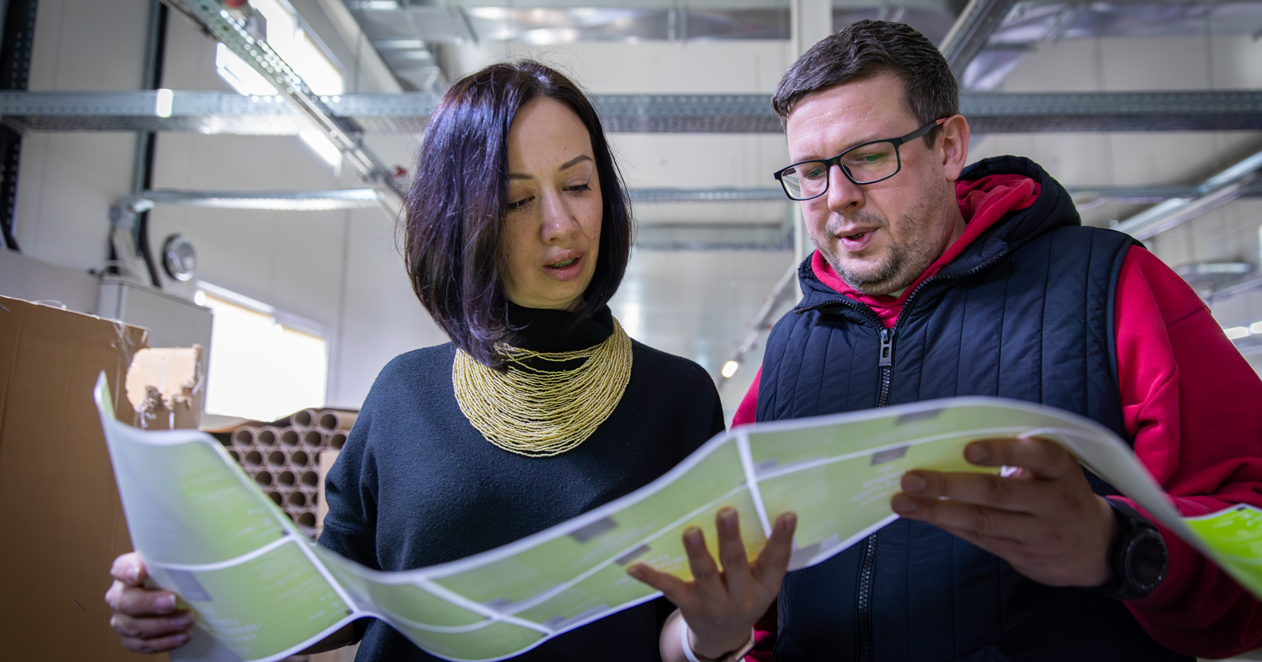
EBRD and donors help Ukrainian printing firm remain resilient in wartime
With EBRD and donor support, ALDA rebuilt its printing business in western Ukraine, protected jobs and is now setting its sights on European markets
11 Oct 2026
Who we are
Overview: about the EBRDWho we are
Overview: about the EBRD
Learn about the EBRD's journey to investing more than €220 billion in over 7,800 projects.
What we do
Overview: how the EBRD operatesWhat we do
Overview: how the EBRD operates
Across three continents, the EBRD supports the transition to successful market economies.
Work with us
Overview: how you can work with the EBRDWork with us
Overview: how you can work with the EBRD
We draw on three decades of regional knowledge and financial expertise to tailor our products and approaches to each client's needs.

 Eng
Eng
 Eng
Eng
The year 1991 stands out as a pivotal moment in modern history, marking the end of the Cold War and sweeping changes across eastern Europe and the former Soviet Union. Against this backdrop of upheaval and uncertainty, the EBRD was conceived, tasked with an ambitious mandate: to help transition economies move from central planning to private market-driven and democratic government.
The end of the Cold War and its aftermath
The dissolution of the Soviet Union in late 1991 brought about seismic shifts in the political, economic and social landscape of Europe. Countries that had long been under communist rule were faced with the daunting challenge of rebuilding their societies, institutions and economies. The collapse exposed the fragility of existing structures and the urgent need for international support to guide these nations through their transformation.
Building a crisis institution from scratch
Recognising the unprecedented scale of the task, European leaders and international stakeholders moved swiftly to establish the EBRD. Unlike traditional banks, the EBRD was designed as a crisis response institution, dedicated to fostering private enterprise, democratic governance and sustainable development in the region. Its creation involved assembling a new team, setting up operational frameworks and defining its mission, all amid ongoing turmoil.
The founding shock was not merely a matter of logistics; it was a test of vision and adaptability.
The EBRD had to navigate political sensitivities, coordinate with diverse governments and respond to rapidly changing circumstances. Early EBRD projects were supposed to focus on stabilising economies, supporting nascent privatisation efforts and building the foundations for a functioning market economy.
However, the inadequacy of the Bank’s start-up capital in the face of its assigned tasks, the absence of successful precedents in privatising a wide variety of state-driven economies, and various organisational teething problems complicated and slowed its first years of growth. The Bank’s second President successfully secured a doubling of the Bank’s capital, as well as Board of Directors support for an operating strategy more focused on the EBRD’s assigned mission and private-sector emphasis. These measures brought the Bank’s market-driven mandate into sharper focus.
Legacy and impact
They set the tone for the EBRD’s operations in the decades that followed. As a product of the Iron Curtain’s collapse, the Bank became synonymous with resilience and innovation, helping to shape the recovery and development of countries once caught between East and West. The recovery of its countries of operation from their post-Soviet legacy attracted an enthusiastic and productive staff that rapidly built a strongly performing portfolio of loans and investments consistent with the Bank’s initial mission.
The evolution of the EBRD’s regions of operation over the past 35 years, driven by both national “graduation” and political developments, leaves the Bank with challenges as daunting and as worthy as those it faced in 1991.
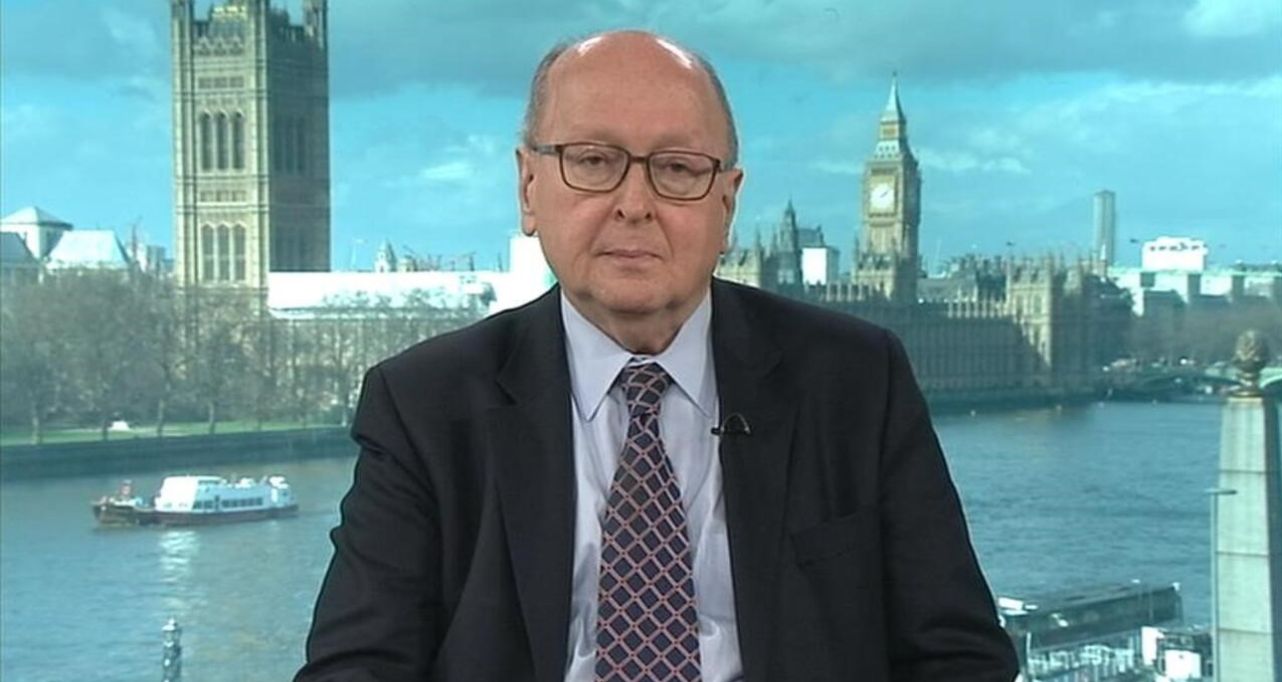
Ron Freeman | Former EBRD First Vice President
News
With EBRD and donor support, ALDA rebuilt its printing business in western Ukraine, protected jobs and is now setting its sights on European markets
11 Oct 2026
Video
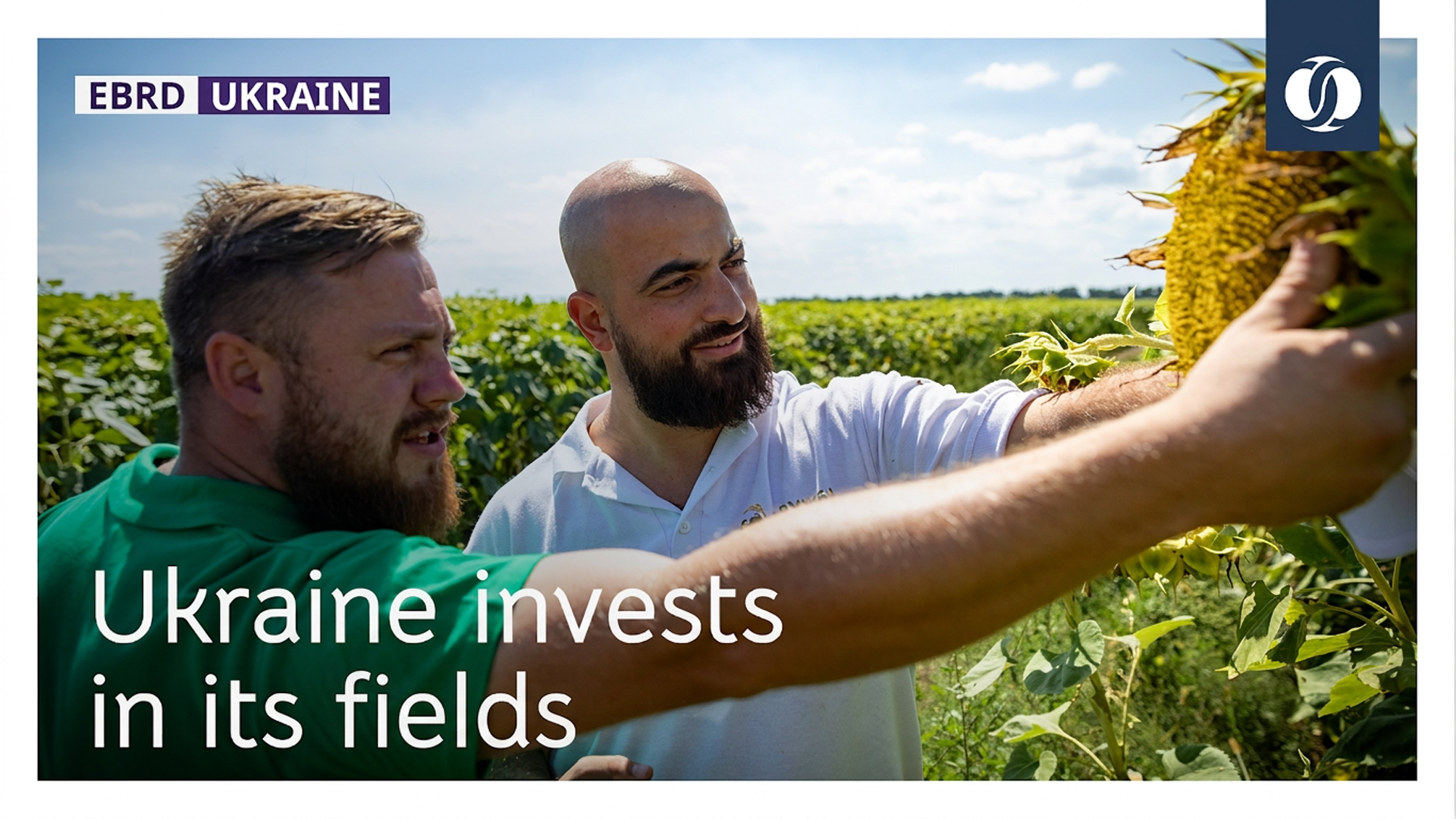
Ukrainian farm is restoring irrigation to protect its crops and cut costs with support from the EBRD and its donors
08 Oct 2026

Sustainability-linked financing to strengthen firm’s balance sheet and support decarbonisation
08 Oct 2026