

Video
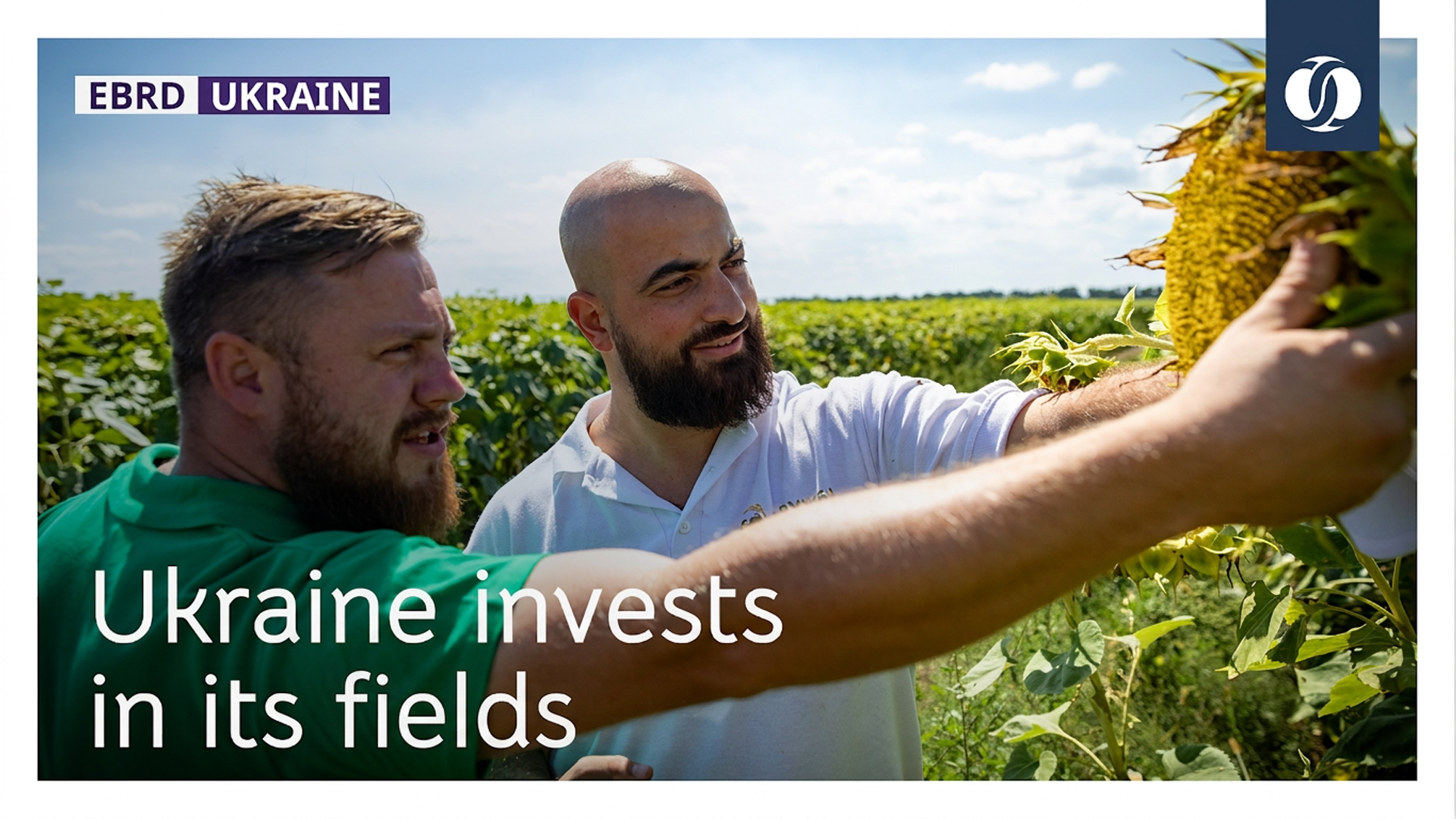
Supporting agriculture in wartime Ukraine
Ukrainian farm is restoring irrigation to protect its crops and cut costs with support from the EBRD and its donors
08 Oct 2026

 Eng
Eng
 Eng
Eng
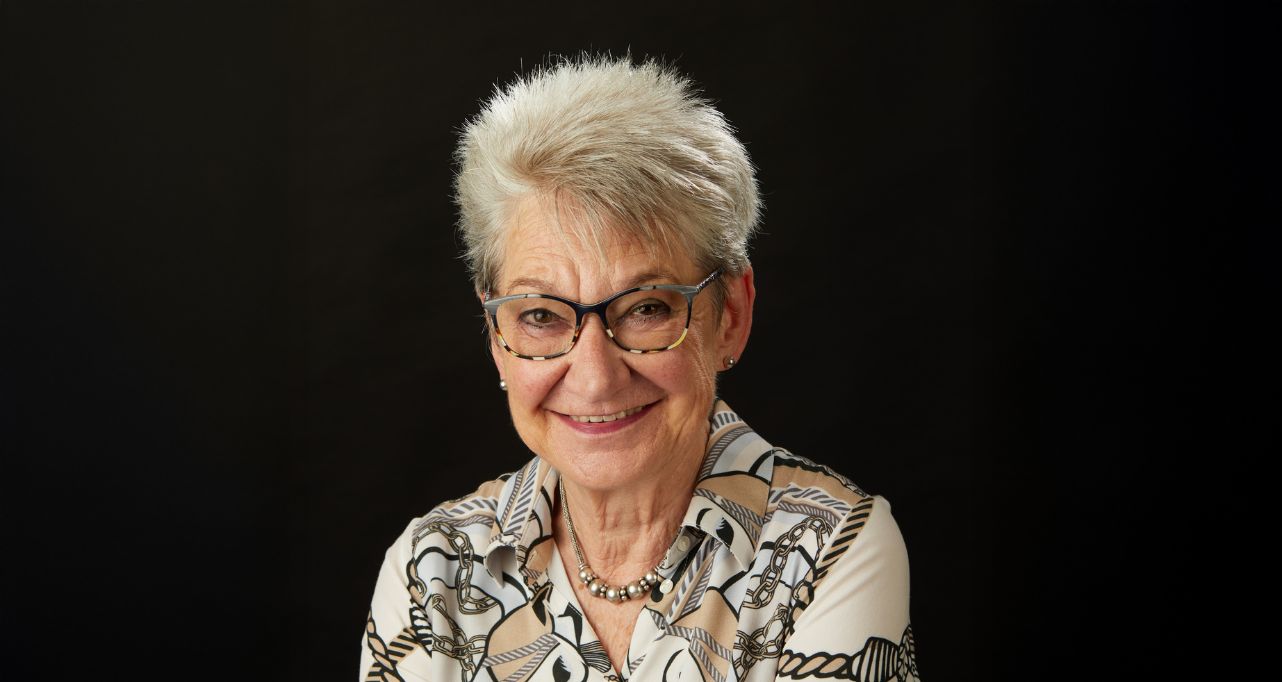
The EBRD’s expansion into the southern and eastern Mediterranean (SEMED) region was born out of extraordinary circumstances. In 2011, as the Arab Spring transformed the political landscape across North Africa and the Middle East, EBRD shareholders decided to extend the Bank’s mandate to support countries embarking on their own transition journeys. I was entrusted with leading this effort and bringing the Bank’s 20 years of transition experience to a completely new region.
Unlike previous expansions, the Bank’s operations in SEMED had to be built from the ground up. We were entering countries where the EBRD had no operational presence, no infrastructure, no established networks and little name recognition. There was no blueprint to follow and no certainty about how the region would evolve. What we did have was a clear vision, a strong sense of purpose and an exceptional group of people willing to embrace uncertainty.
Our first task was to establish Resident Offices and recruit local teams in Amman, Cairo, Casablanca and Tunis. The colleagues who joined us in those early years were true pioneers.
They understood that their roles would extend far beyond conventional job descriptions. Kawtar, my first hire in Casablanca, who is still with the Bank today, later reflected that the experience shaped not only her professional career, but also her understanding of ownership, responsibility and growth. Her words capture the spirit that defined those early years.
Alongside the operational challenges, there was important institutional work to be done. While Egypt and Morocco were already EBRD shareholders, Jordan and Tunisia first had to complete the legal steps required to join the Bank. At the same time, we were developing investment opportunities, building partnerships and establishing trust with governments, businesses and
local stakeholders.
The pace of progress was remarkable. Within months, the first investments were approved. By the end of 2014, EBRD investments in SEMED had reached €1.5 billion across 53 projects, with the majority directed towards private-sector development. From supporting SMEs to financing
major infrastructure, energy and environmental projects, our objective was always the same: to help create more resilient, inclusive and competitive economies.
Partnerships were critical to our success. We worked closely with governments, international financial institutions, donors and the private sector to maximise impact and support reforms that would improve the business climate and attract investment.
When I retired in early 2017, SEMED had become an established and respected part of the EBRD. In just five years, the SEMED portfolio had matured further, reaching €4.8 billion in 118 projects since inception.
Since then, the region has continued to grow, expanding into additional economies. Following the groundwork laid in 2012-17, the EBRD expanded into Lebanon and the West Bank and Gaza in 2017 and Iraq in 2025, and became one of the Bank’s largest areas of operation.
Looking back, what I remember most is not the volume of investment or the growth of the portfolio, important as those achievements are. It is the dedication, courage and commitment of the people who turned an ambitious idea into a lasting institution. Together, we built something that did not exist before. For me, that remains SEMED’s most enduring achievement and a powerful reminder of what can be accomplished through trust, partnership and shared purpose.
Hildegard Gacek | Consultant in Financial Services
Former EBRD Managing Director, SEMED