Read our Cookie policy here.
Search
Search
Who we are
Overview: about the EBRDWho we are
Overview: about the EBRD
Explore the EBRD’s journey over the decades, investing in businesses, supporting economies and driving lasting change across its regions.
What we do
Overview: how the EBRD operatesWhat we do
Overview: how the EBRD operates
Across three continents, the EBRD supports the transition to successful market economies.
Work with us
Overview: how you can work with the EBRDWork with us
Overview: how you can work with the EBRD
We draw on three decades of regional knowledge and financial expertise to tailor our products and approaches to each client's needs.

 Eng
Eng
 Eng
Eng
The early years at the EBRD were intense, sometimes a bit too intense. Inauguration, getting started, the collapse of the Soviet Union, the splitting up of Czechoslovakia, the breakdown and war in former Yugoslavia, marble troubles, the departure of our President…and that was just the beginning. Our early years were also marked by two explosive events.
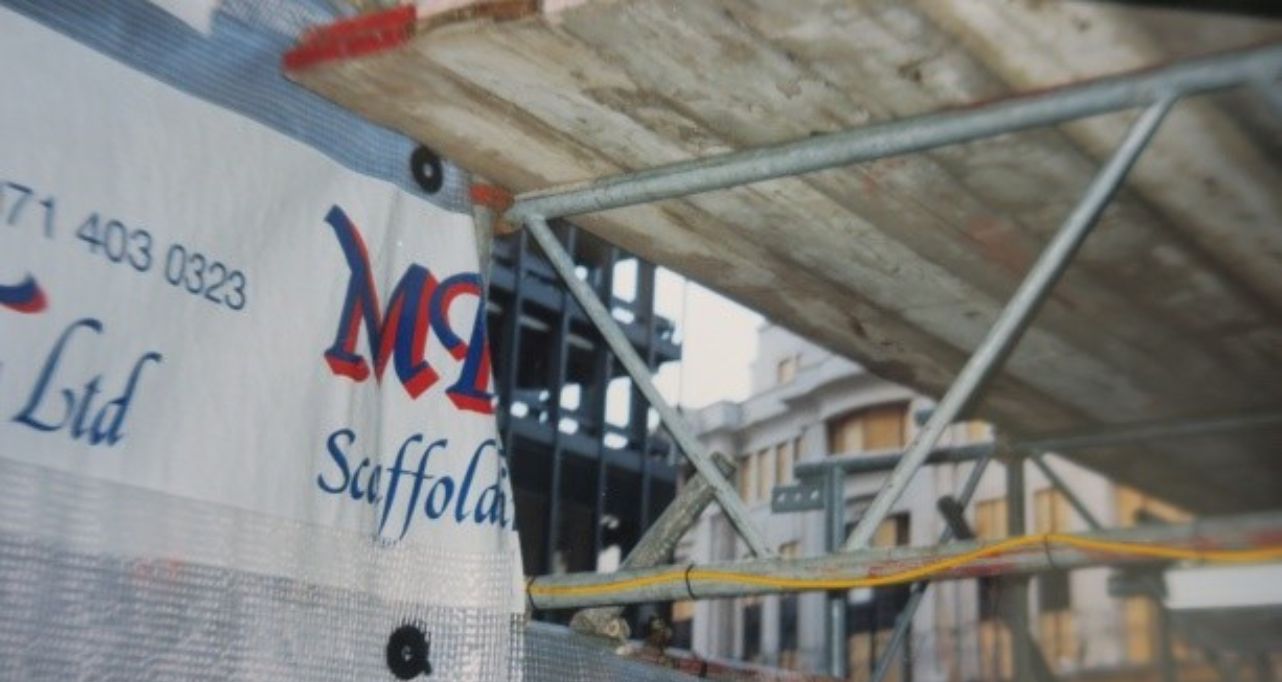
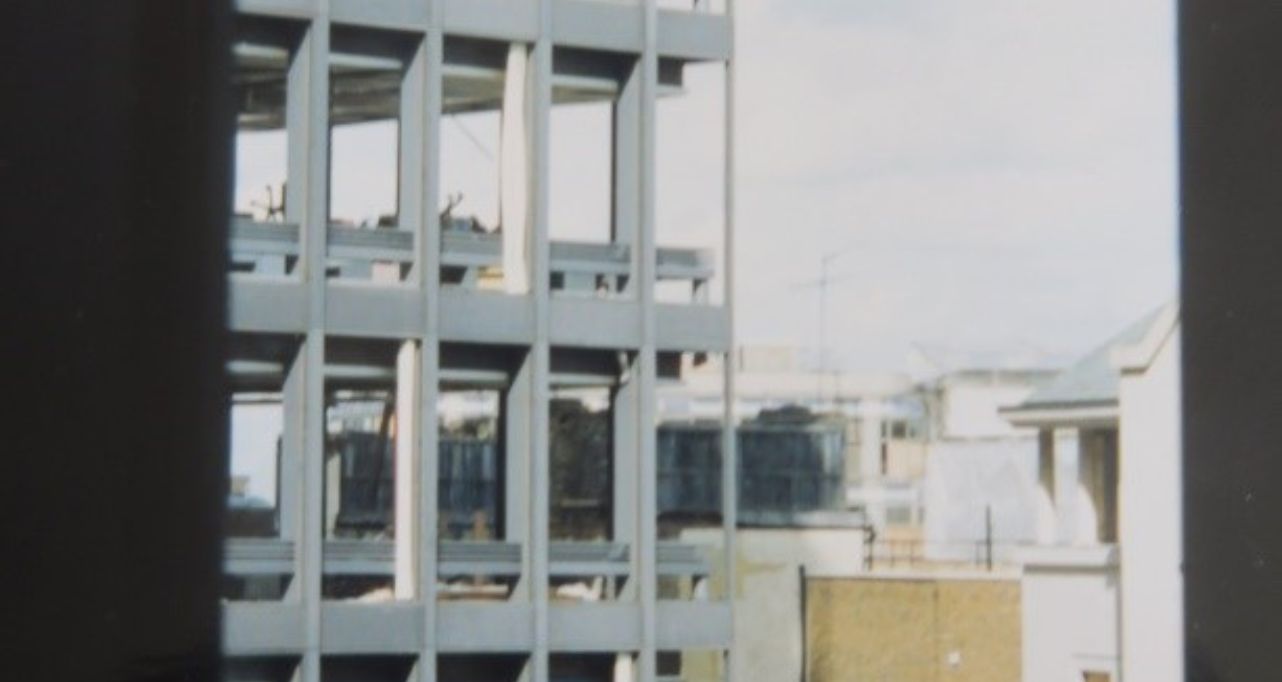
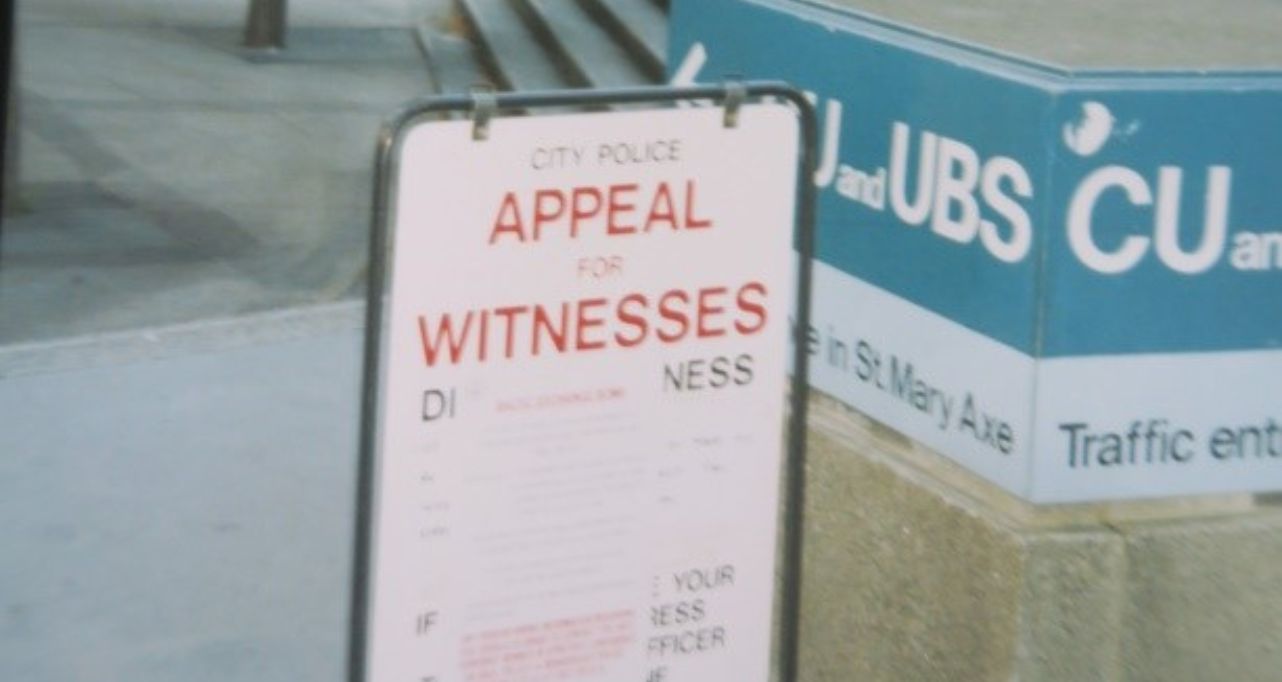
The first explosive event occurred on 10 April 1992 at 21:20. The one-tonne bomb was a fertilizer device with a 100 pound semtex detonation cord placed in a truck across the square from EBRD HQ. The bomb, which was the largest bomb detonated in Britain since World War II, was planted by the Provisional IRA, killing three people, injuring 91, and causing massive damage to buildings in the neighbourhood, particularly the Baltic Exchange building which ended up being demolished, with Norman Foster’s Gherkin built in its place.
Luckily for our young organisation, that day most of us were in Budapest at the first Annual Meeting of the EBRD. Along the Danube, we were reporting on the results of the Bank at the end of its first 8.5 months of existence: a portfolio of €0.1 billion (compared to €48.8 billion at the end of June 2020) and the number of projects in the portfolio: of 3 compared to 2,113 at end June 2020.
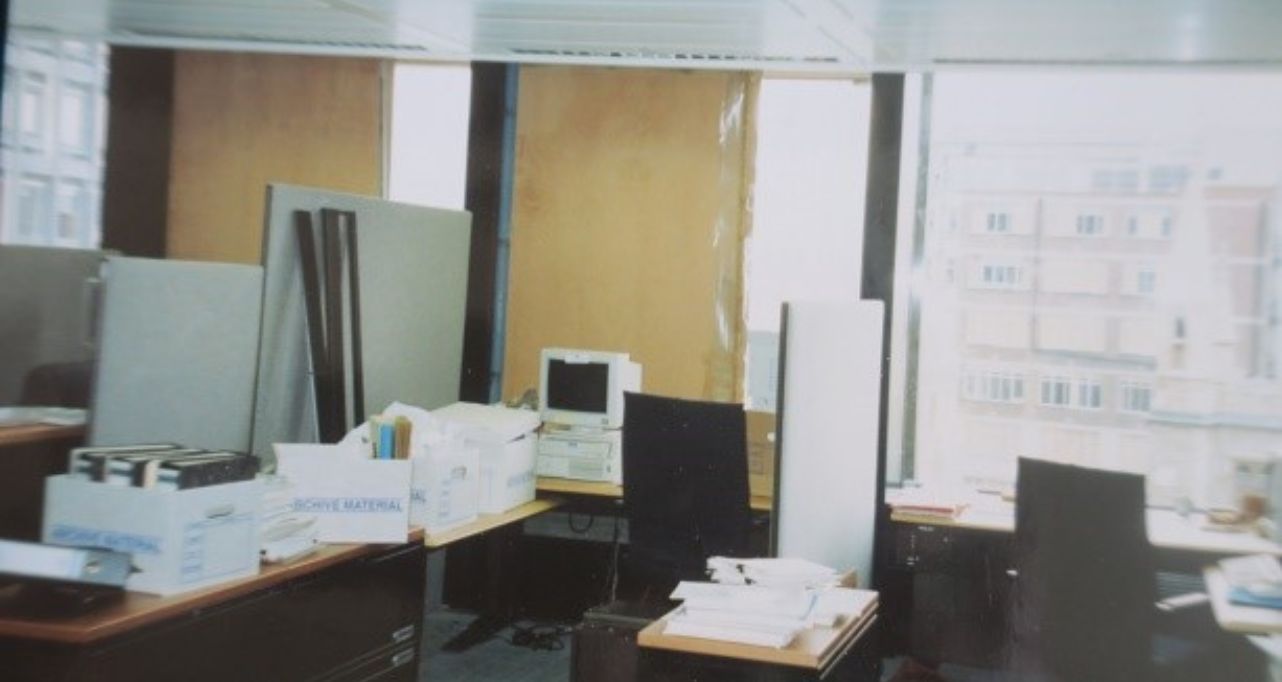
Upon returning from Budapest, I called EBRD security to find out if the building was open for business. I received a very courteous and almost surprised answer saying: “of course sir, we are open. However, we recommend that you bring a scarf, hat and gloves because it is rather nippy up there.” Indeed, most of our windows had been blown out of the building, and so the wind blew through the floors. When sitting at your desk, it felt as though you were out in the open air. It was then that I understood how Londoners had resisted the Blitz with such ‘stiff upper lips’.
Now, you may remember from Episode One that many of our desks were placed against the windows, looking outward, as you can see on the picture above. I had such a desk, and when I returned to the office after the bomb, I found a 2-inch-long shard of glass planted in the back of my chair. This shard would have reached my sternum if I had been there. Thank you, Annual Meeting…
However, the explosive events did not stop there. One year later, at 10:27 am on 24 April 1993, on the weekend of our first Annual Meeting in our current building, another powerful bomb exploded down Bishopsgate. A stolen Iveco truck with a one-tonne ammonium nitrate/fuel oil bomb was placed by the Provisional IRA in front of 99 Bishopsgate. In spite of a warning one hour before the explosion, one person was killed and 44 were injured. The explosion caused a 15-foot wide crater, the collapse of the 13th century St Ethelburga’s church, heavy damage to Liverpool Street Station and the NatWest Tower with 1.5 million square ft of office space being affected and over 500 tonnes of glass broken.
At the time of the explosion, I was doing a presentation in the auditorium and was about to move on to the share of the Ukrainian economy in the agriculture sector. As the explosion hit, the windows in the auditorium buckled under the shock waves but did not break. People started rushing over the seats to get out of the auditorium while others waited patiently for me to continue the presentation. Fortunately, this was the last explosive event of this type in my EBRD years.
Josué Tanaka | Visiting Senior Fellow at the Overseas Development Institute
Former EBRD Managing Director, Energy Efficiency and Climate Change, Operational Strategy
and Planning
Select an image to expand
Select an image to expand
Cookie consent
Cookies are pieces of code used to track website usage and give audiences the best possible experience. Use the buttons to confirm whether you agree with default cookie settings when using ebrd.com.
Read our Cookie policy here.
These cookies cannot be disabled. They are essential for core functionality in ebrd.com to ensure a seamless and secure experience.
We use Adobe Analytics cookies to measure usage of the website in order to improve it and respond to end user actions. We review anonymised data on how people reach the site, where they click and so forth. Learn more here about specifics of our cookie use.
We use Adobe marketing cookies to enable us to customise ebrd.com to tailor the website and email marketing services based on the interests of each end user.