
Read our Cookie policy here.
Search
Search

 Eng
Eng
 Eng
Eng
Here comes the final episode of the “Getting to 30” series, meaning that it has been just about 30 years since I joined the EBRD. By this time next week I will have bid farewell to the Bank and embarked on new professional endeavours. I hope that you have enjoyed these episodes, as I have tried to provide a personal perspective on the life of our Bank.
Thirty years is the length of a generation. When I arrived in 1991, the plan was to stay for a couple of years, contribute to getting the EBRD up and running, and then move on. Well, the original plan ended up lasting quite a while!
A lot happens in thirty years. When we arrived in London, we were a young family with our son having just turned two years old. I had the time to unpack his tricycle so that he could immediately get into action. The first Christmas party for EBRD children was quite an event, held at the Hyde Park Hotel with loads of entertainers, decorations and gifts for the children. My son thought that his papa had joined quite a good place. Over the years, my daughter also became a big fan of the EBRD Christmas parties, and particularly of my office, which she would help to tidy up regularly. When she became a teenager, she asked me one evening why I worked so hard. I explained that I was doing multiple jobs. Her eyes lit up as she wondered whether this meant I received multiple salaries, and was more than disappointed to learn that this was not the case. Time has indeed gone by, with both of my children now engaged in their own professional and academic lives.
The EBRD adventure was not only my adventure. Indeed, it was deeply shared with my wife, who demonstrated extreme resilience over an extended period of time when faced with my long working hours and incessant travels. The start-up period of the Bank (see Episode 1), the country team years (Episode 6) and the climate action period (Episodes 14 and 15) involved much too frequent periods away from home. Through all these years, Hattie provided a strong foundation at home while developing her own career. And she kept me going even in the few moments when I wondered whether all this hard work was worth it. The pandemic and successive lockdowns have revealed how much I have been away during these EBRD years and how much she had to deal with in my absence. Her calm, strong and unwavering support has been crucial to sustain my rather intense working mode. And, once I leave the Bank and the pandemic is over, I will finally be able to respond positively to her wish for holidays in our countries of operations. Until now, I always associated them with work.
Hattie and Gabriela saying bye-bye as I left for yet another work trip. This was an all too frequent scene and one that always caused a twinge in my heart.
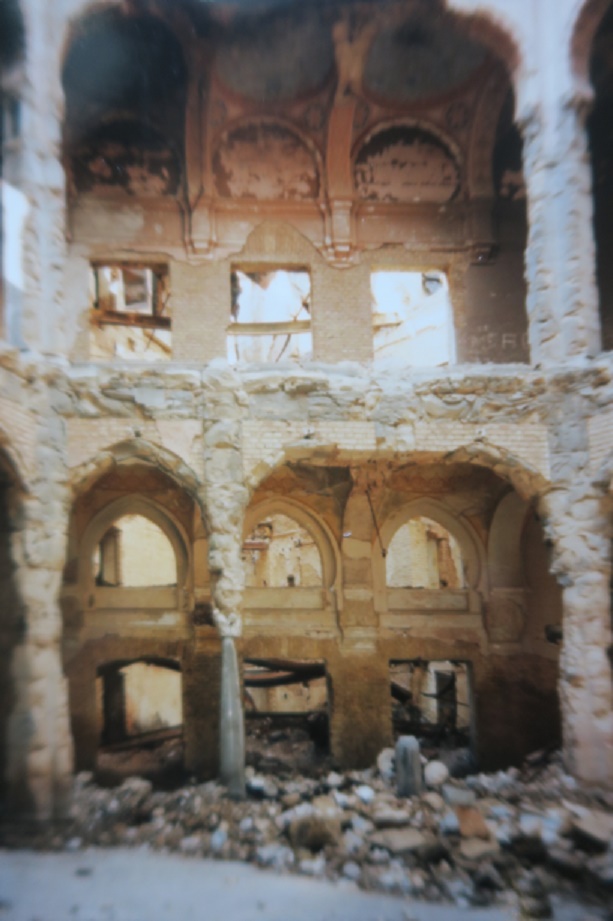
Throughout these 30 years, I have been lucky enough to be close to the pulse of history and to the pulse of the Bank. Where else could have I lived so close to the events which followed the fall of the Berlin Wall, to the transformation of what used to be called the Eastern block, to the evolving challenges, surprises and opportunities of transition, to the collapse of Yugoslavia and the intensity of the Bosnian conflict, to the hopes of the Arab spring, and to the struggle to address the fundamental challenge of our generation; climate change? History has not always been kind or easy in our region of operations, and some of the early visions have not yet been realised. But significant progress has been achieved on many fronts. For example, I remember arriving in Lithuania after its accession to the EU and being able to enter just showing my passport. Amazing to think what it would have taken to do this just 15 years before. And as shown in the pictures below, the rebuilding of the Sarajevo City Hall is hopefully a reflection of peace and understanding for our future.
As described in Episodes 13 and 14, work on the climate and environmental front had its highs and lows. It is difficult to forget the low in Copenhagen, when world leaders failed to reach consensus on a comprehensive climate agreement. And it is still a boost to think of the high in France, when the Paris Agreement was reached with the support of just about all countries in the world. Over the past 15 years, it has been most meaningful to be able to develop climate action at, for, and with the Bank. Looking back, I remember my parents saying that one of the most important aspects in life is to work with a strong sense of purpose. And looking forward, this work has a purpose for future generations. What else can I, and can we, ask for?
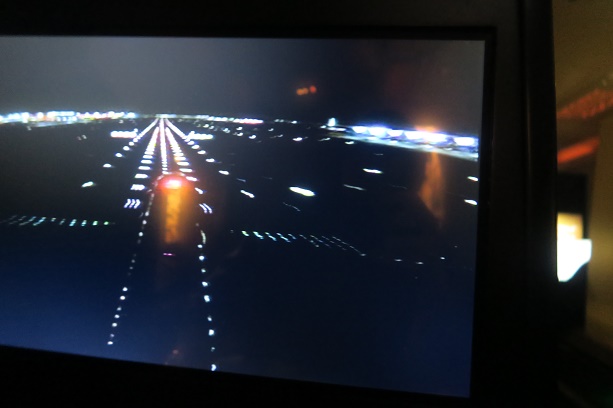
Whether building up the organisation from scratch, being in our countries of operations as the transition unfolded in the early years, helping to define our role in a new region like SEMED, or setting our role and contribution to climate action, I have also been lucky enough to be close to the internal pulse of the Bank. I have often identified with the flight engineering function, checking the flight path with the scorecard, verifying that all country and sector engines were operating, assessing the impact of external turbulences, and whether we had enough fuel in the project pipeline to get to destination. For over 20 years I lived through each annual landing of the EBRD, checking that we would reach the runway with a smooth landing aligned with our objectives. In this function, I felt in me the ups and downs of the number of operations and ABI, of prepayments and cancellations, of the GET ratio and other vital parameters of our Bank. A pretty symbiotic relationship.
Many of our colleagues have been part of these 30 years at the EBRD. Many left for new ventures. Many have also stayed for the long haul, creating a bond and a valuable basis for effective work together. Many new colleagues also joined over the years, injecting new ideas and energy into the institution. Over the years, I have also had the privilege of working closely with our Presidents and senior colleagues, learning from their vision and experience. My colleagues have been a major reason for my staying longer than I initially envisaged. It has been good to be part of the EBRD family, working together for its success and for its contributions to our clients and countries.
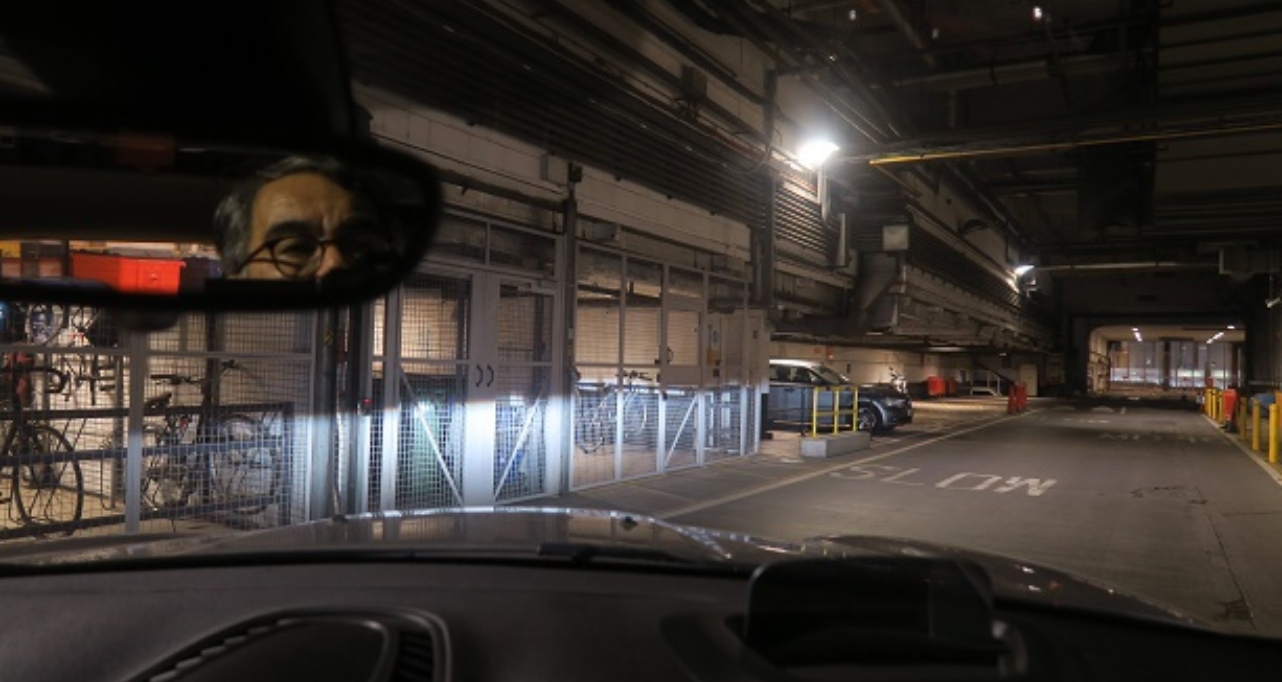
I am leaving the Bank at a very unusual time. Anticipating the first Lockdown, I left the Bank on 12 March 2020 with the materials I needed to prepare GET2.1. In a strange coincidence, the pandemic smoothed my transition away from the Bank. Not going back to Exchange Square has already created a distance, and unbeknownst to me at the time, a first step in leaving the Bank. When the second Lockdown was announced, I realised I had to empty my office quickly, as I would be gone by the time the Bank would reopen. An intense day was spent traveling back through decades of documents, business cards and notebooks. In the end, after filling several bins with paper for recycling, I left with a few boxes of memories.
In getting to the end of my EBRD years and in closing this ‘Getting to 30’ series, I can say that I was lucky to have joined this start-up called EBRD. And I wish the same luck to all our colleagues who will continue to work for it. There are a lot of challenges and opportunities ahead, and, particularly after this pandemic, multilateralism and international cooperation will be more important than ever to address these challenges and realise the opportunities.
Thank you all for 30 good years. It has been a great run.
Josué Tanaka | Visiting Senior Fellow at the Overseas Development Institute
Former EBRD Managing Director, Energy Efficiency and Climate Change, Operational Strategy and Planning
Select an image to expand
Select an image to expand