
Read our Cookie policy here.
Search
Search

 Eng
Eng
 Eng
Eng
Josué Tanaka explores the early years of the EBRD, this time taking us back to the genesis of the Bank's early projects as he recounts the challenges he encountered on his early business trips.Today’s story is about the start of our municipal and environmental infrastructure activity, which has become one of the EBRD’s distinctive competences.
The genesis of this activity occurred even before the Bank’s inauguration. This reflected a very early realisation following the Fall of the Wall that cities would play a major role in the transition process in economic, political and social terms. It is important to remember that elected mayors did not exist in the centrally planned economies, and that cities had no independent power, being components of the central state. As the transition process started, major assets including buildings, land, companies and infrastructure were transferred to the local level which had no upfront capacity to manage these assets.
Accordingly, ahead of joining the Bank, I started to work on what would become the MEI component of the EBRD’s first operational programme. The objective was to define a set of activities to hit the ground running. So upon arriving at the Bank in 1991, and as described in Episode 2, this meant immediately going to our countries of operations to start building our MEI business. In addition to the hundreds of millions requested by the Minister of Construction in Romania, it seemed that just about every city in the region wanted finance to build a gargantuan world trade centre and an international airport. The main rationale mentioned by city authorities always involved their unique position between East and West. It took me a while to realise that in fact every city is by nature located in a unique position between East and West.
Our initial business trips had their special challenges. For example, one challenge had to do with stationery and our name. Going off to our Countries of Operation shortly after inauguration meant that we had no business cards to hand out. Accordingly, I printed my name and EBRD address multiple times on sheets of paper, took a pair of scissors and cut out makeshift ‘business cards’. Upon meeting the Mayor of Prague, he took the piece of paper and looked unimpressed as the ‘card’ sagged in his hands. He then proceeded to ask if I worked for the European Union. I replied no, we were the EBRD, not the EU. He then asked whether I worked for the bank in Luxemburg. Same answer, I work for the EBRD not the EIB. At the end, after requesting several hundred millions to finance the extension of a metro line, he thanked me for our meeting as he only had visits from German and Austrian banks, and was glad to receive a British commercial bank in his office. Hm, I guess I was not clear enough.
These initial trips also had their amazing moments. For example, I was invited to participate in the meeting of the recently elected city council of Bratislava. After explaining and discussing how the EBRD could work with the city to enhance urban infrastructure, the recently elected Mayor asked if we could have a one-to-one meeting in his office. My initial reaction was prudence, as such requests can lead to awkward business situations. But in this case, it led to an amazing reflection of that moment in history. Sitting down in his office overlooking the Danube flowing below us, the Mayor leaned towards me and asked: “what does a mayor do in the West?”
Beyond these anecdotes, the fundamental context of working with cities was at once daunting and fascinating. The legacy from central planning was still very much alive. Decentralisation was just beginning with the state defining the responsibilities of local authorities. Fiscal decentralisation was still only at a conceptual level. As most utilities had been run as units of a central government ministry and budget, there was very limited, not to say non-existent knowledge of finance with hours spent to explain the meaning of ‘loan’, ‘interest rate’ and ‘repayments’. Cost recovery was also a new and challenging concept following decades of urban services being provided at very low cost, or even freely as part of the social contract.
For la ‘petite histoire’, it is interesting to note that the first project of the EBRD should have been a municipal environment project. I had started to work on a coastal zone management project in Yugoslavia while still at the World Bank and the idea was to formulate a project with a financing plan involving the ‘about to be created EBRD’. Sadly, history moved faster and working in Yugoslavia became impossible before this project could be brought to the Board.
The initial team was called the Local and Regional Development Group. In addition to starting our project activities in public transport, district heating, water supply and waste water treatment, it also worked on agribusiness projects, the financing of the first wholesale markets in the region and even agri credit lines with Hungarian banks. A true cross-sector team when looking at our current organisation.
The legacy of this team is not only operational, as cumulative MEI investment made by generations of hard-working bankers reached over €9.5 billion in over 500 projects from the start to end August 2020. But it also has an important legacy in terms of people as Alain PIlloux, Jean-Marc Peterschmitt and Frédéric Lucenet all started at the EBRD in this innovative area.
With the Green Economy Transition (GET2.1) approach approved by the Board on 8 July this year with a sharp focus placed on green urban infrastructure and services including our flagship Green Cities programme, there is still lots to do in this area!
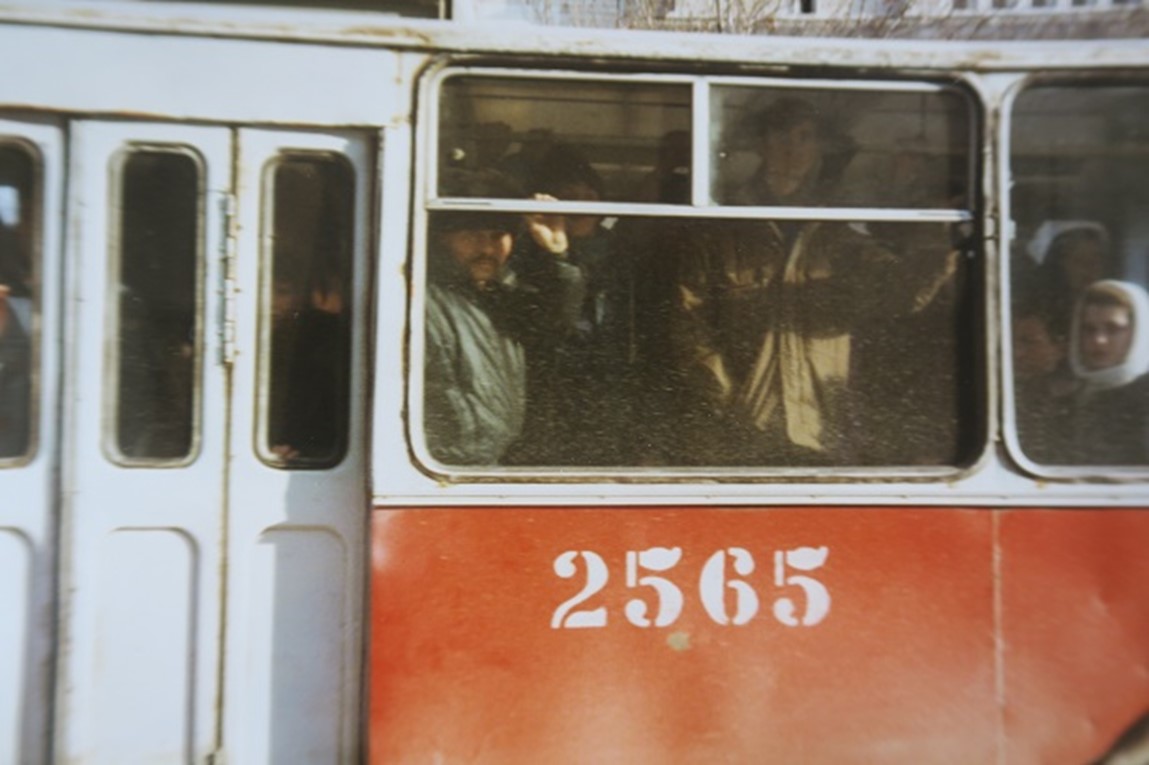
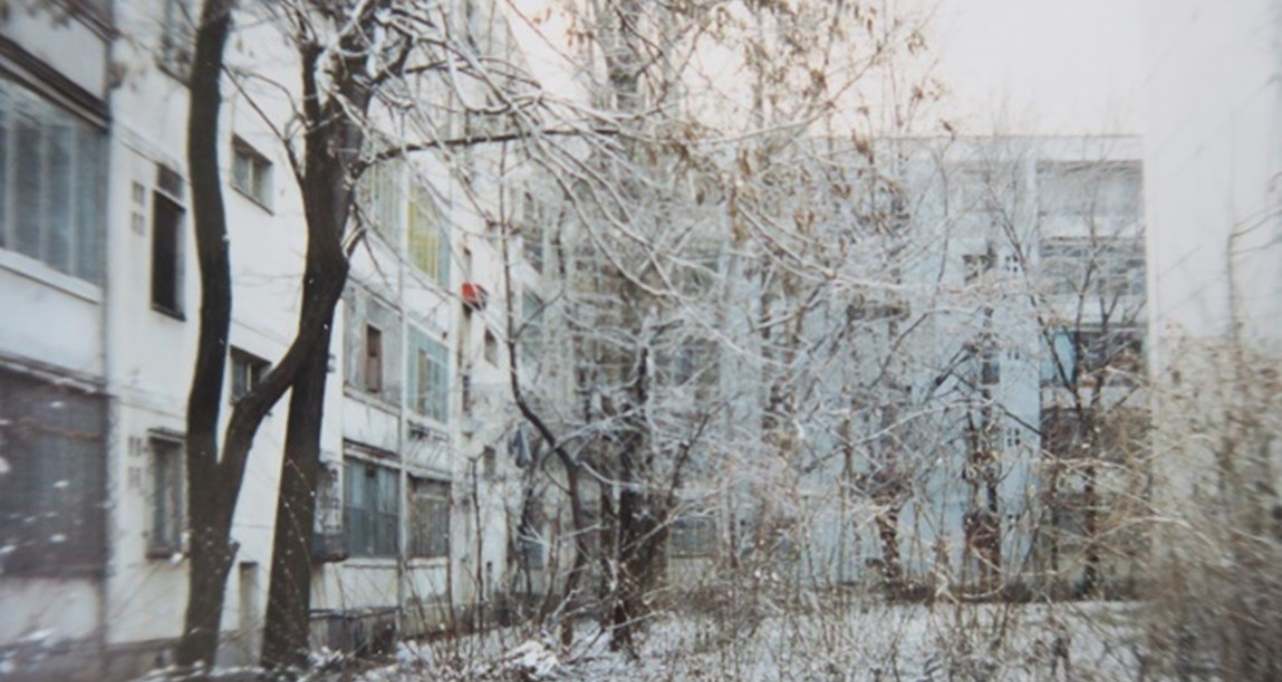
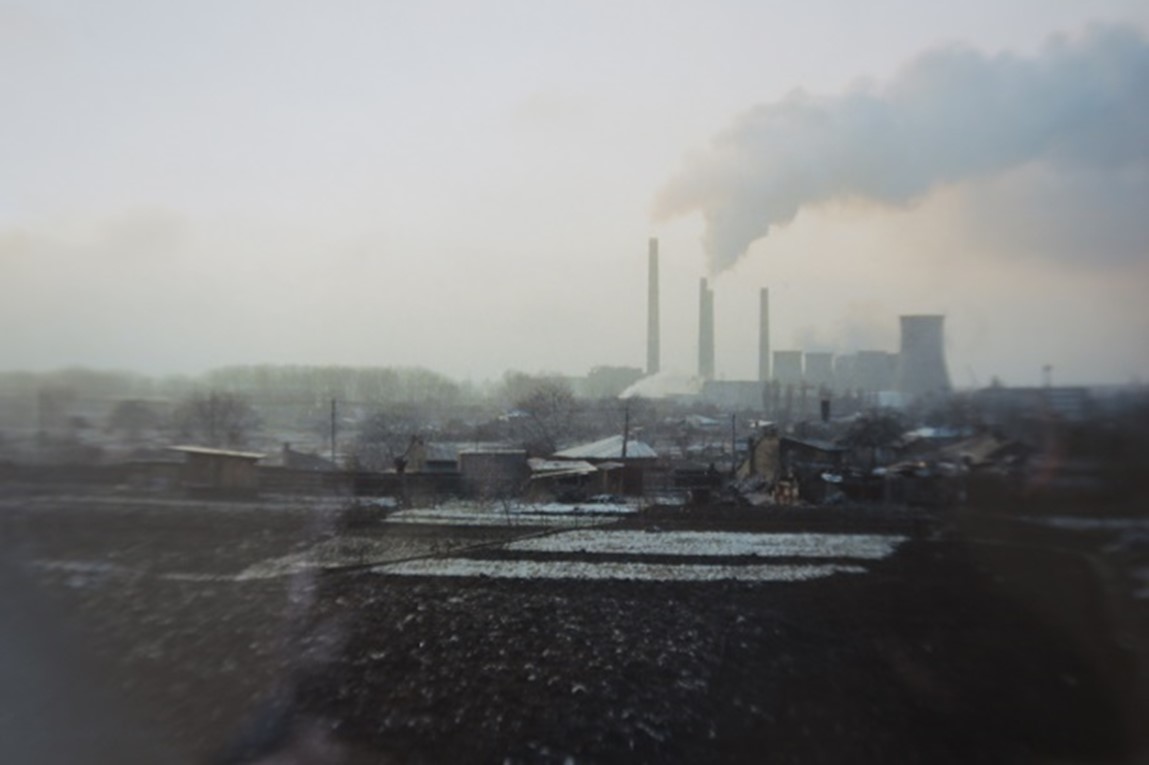
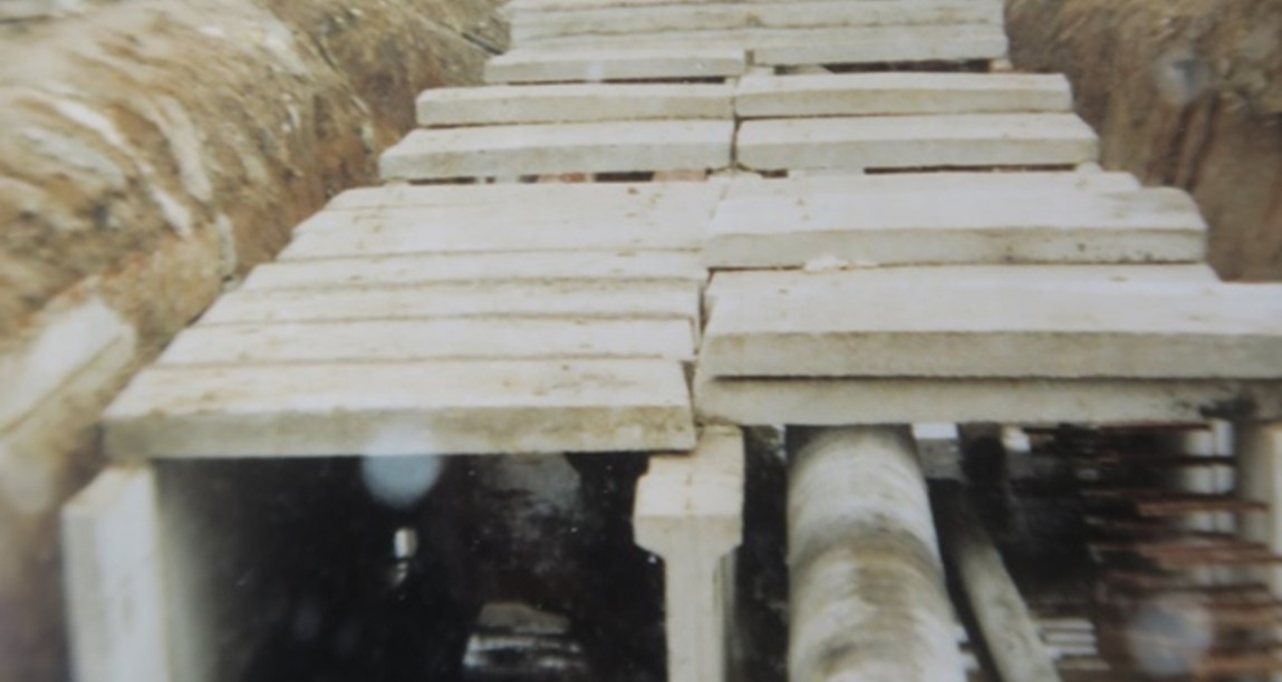
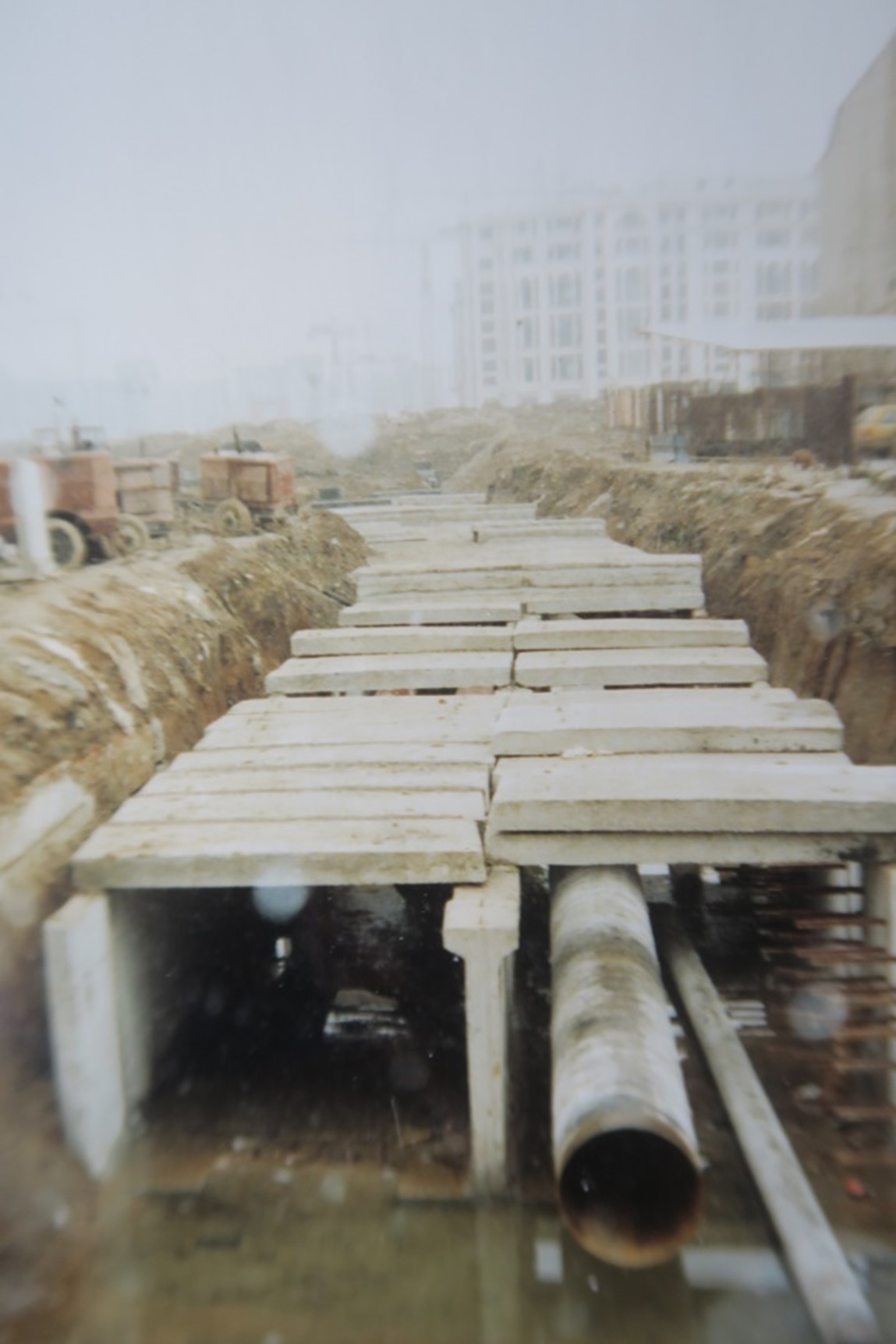
The pictures below could have been taken in many cities across the region in the early days, illustrating the challenges confronted by these cities in terms of infrastructure and the environment.
Josué Tanaka | Visiting Senior Fellow at the Overseas Development Institute
Former EBRD Managing Director, Energy Efficiency and Climate Change, Operational Strategy
and Planning
Select an image to expand
Select an image to expand