
Read our Cookie policy here.
Search
Search

 Eng
Eng
 Eng
Eng
I previously recounted a visit to Sarajevo during a fragile ceasefire. With the signing of the Dayton Agreement later in 1995, attention began to turn from conflict to reconstruction and recovery.
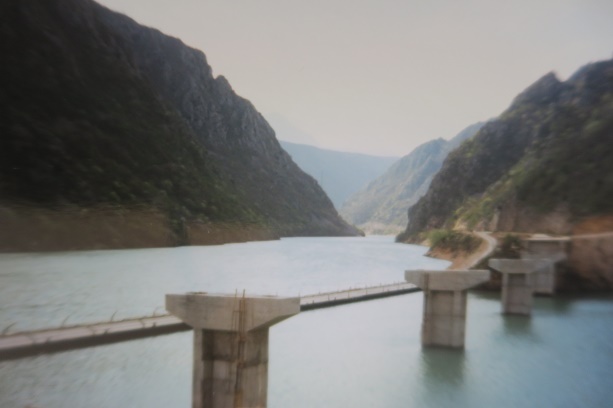
Following the Dayton Agreement, the Bank could start to work on the membership of Bosnia and Herzegovina. There was a rush of activity to support the reconstruction of the country, which was seen as key to buttress the peace in the aftermath of a terrible war which had seen countries, cities, communities and family split up. The development of the situation in Mostar reflected this with the destruction of the Stari Most bridge over the Neretva river, effectively symbolising the separation between the Croat and Muslim communities in the city.
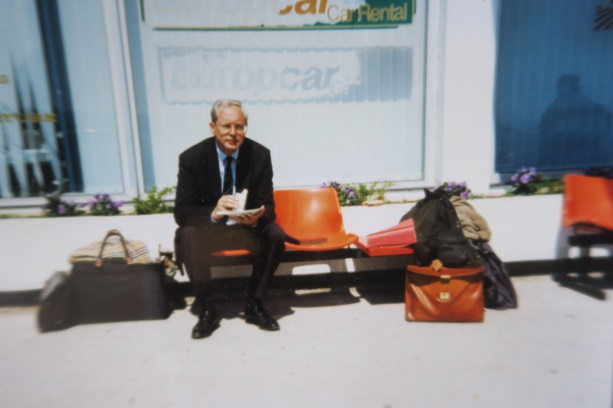
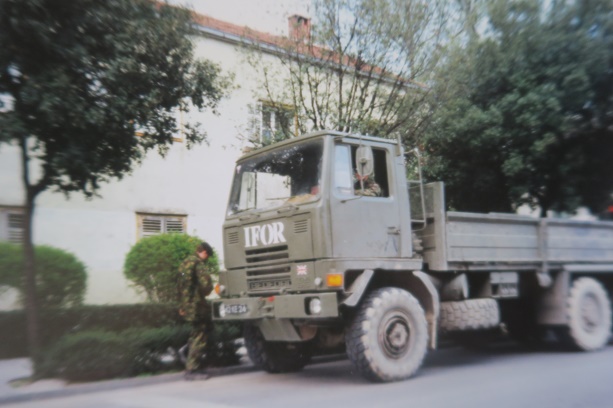
My second trip to Sarajevo in early 1996 was very different from the one described in the previous episode. By then, the international community was mobilising to accelerate the implementation of the Dayton Agreement. I arrived in Zagreb one late afternoon for a dinner with senior officials from the IMF and the World Bank. Being the only person who had gone to Sarajevo during the conflict, there was much curiosity about my experience and my observations of the situation on the ground. The next day we met again on the military base and flew to Sarajevo in a UN private plane. Much more comfortable than the flight a few months before and this time there was a full reception committee on arrival. So no need to hitch-hike on an armoured personnel carrier.
This trip set the basis for collaboration across development organisations to support the reconstruction of the country. The situation on the ground was, however, very challenging as ‘the country’ was really a set of different entities who struggled to find common ground for decision making. These disagreements occurred both at the political level but also at the technical level. The war had resulted in severe damage to the country’s communications and rail networks. Which standards should be adopted for reconstruction? Which gauge for the railways? Which frequency band for mobiles? Everything seemed to provide an opportunity for protracted, complex and sensitive negotiations.
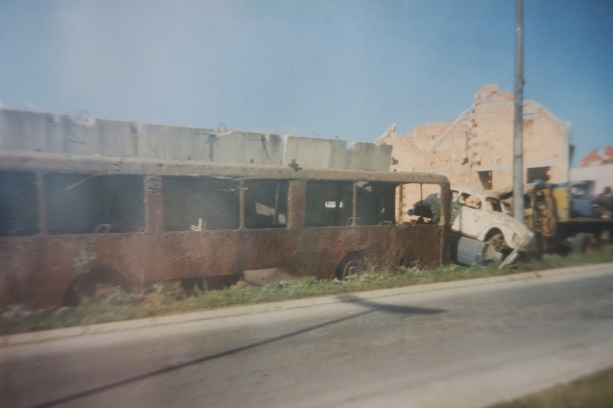
Working on the ground in the aftermath of the conflict had its tense moments. On one trip, I travelled by road from Croatia to Sarajevo with Roy Knighton who had worked extensively on transport in Yugoslavia before the war. Roads and bridges were damaged. We could see all around us burnt out carcasses of houses, cars and trucks. On another trip, I had to meet authorities in Pale. Pale was high above Sarajevo with the road having several informal armed checkpoints. Needless to say, one did not feel particularly comfortable going through these. The city itself was also full of reminders of the violence of the conflict, with demolished houses, burnt out public buildings, mortar and bullet ridden apartment buildings.
Communications were also very difficult. During the conflict NATO had bombed and destroyed most telecommunications facilities. For a while, all telephone calls went through a few lines out of the city and it was basically impossible to call out. This was before the wide deployment of mobile phones. There was some mobile equipment which entailed going around with a small suitcase of electronics and a handset the size of a brick. It was not part of EBRD standard equipment. One afternoon, I received the worst type of message you can get in these circumstances: ‘Call home urgently’. I went to the hotel, gave 100 Deutsche Marks to the phone operator and told him that another hundred would be given once he put the call through. During the close to two hours it took to get a connection, all the terrible thoughts which one can have went through my mind. By the time I could speak to my wife, I was ready for the worst with frayed nerves. It turned out that the urgent call was to check if we should put a bid for a house in our neighbourhood which had to be placed that evening. I was so relieved that I said yes to everything. Only once the call was over did I realise that this would mean a double mortgage, lots of work and even more logistics. But everyone was safe and we still live in this house so it was a good decision after all.
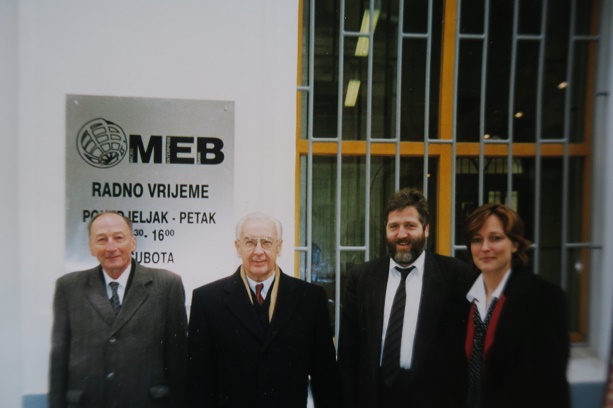
Due to the complexity of the situation on the ground, the set-up of a local presence rapidly became a question to be addressed. Understanding what was happening politically and institutionally combined with the need to coordinate across international organisations and donors was a very time-consuming process which could not be done from London. Accordingly, early on the Bank hired someone who had worked on the identification of priority infrastructure reconstruction projects. Paul Monnory played a key role in these early days to position the Bank to play its role in the complex and moving landscape of Bosnia’s reconstruction. As Bank activity grew, it became clear that a full time representative was needed to understand local politics and support our growing operational activity. Zsuzsa Hargitai was just the right person for this sensitive position.
While tensions remained high among communities in Bosnia and Herzegovina, the EBRD country team showed how personal bonds could overcome these challenges. Colleagues in my team with roots from different parts of former Yugoslavia worked together and developed bonds of friendship projecting hopes for a better and peaceful future.
There can be emotional moments in our work at the Bank. One of these occurred for me on my last trip to Sarajevo as country director. Amidst all the complexity, the challenges and arduous discussions involved in my work there over the years, I received on that last trip a gift from my counterparts. It was a CD of the Sarajevo Philharmonia to thank me for ‘having been the first and only person from an international financial institution to have come to Sarajevo during the conflict’ and to say that this would not be forgotten. Meaningful.
Josué Tanaka | Visiting Senior Fellow at the Overseas Development Institute
Former EBRD Managing Director, Energy Efficiency and Climate Change, Operational Strategy and Planning
Select an image to expand
Select an image to expand