Search
Search
Who we are
Overview: about the EBRDWho we are
Overview: about the EBRD
Explore the EBRD’s journey over the decades, investing in businesses, supporting economies and driving lasting change across its regions.
What we do
Overview: how the EBRD operatesWhat we do
Overview: how the EBRD operates
Across three continents, the EBRD supports the transition to successful market economies.
Work with us
Overview: how you can work with the EBRDWork with us
Overview: how you can work with the EBRD
We draw on three decades of regional knowledge and financial expertise to tailor our products and approaches to each client's needs.

 Eng
 Eng
October 2022
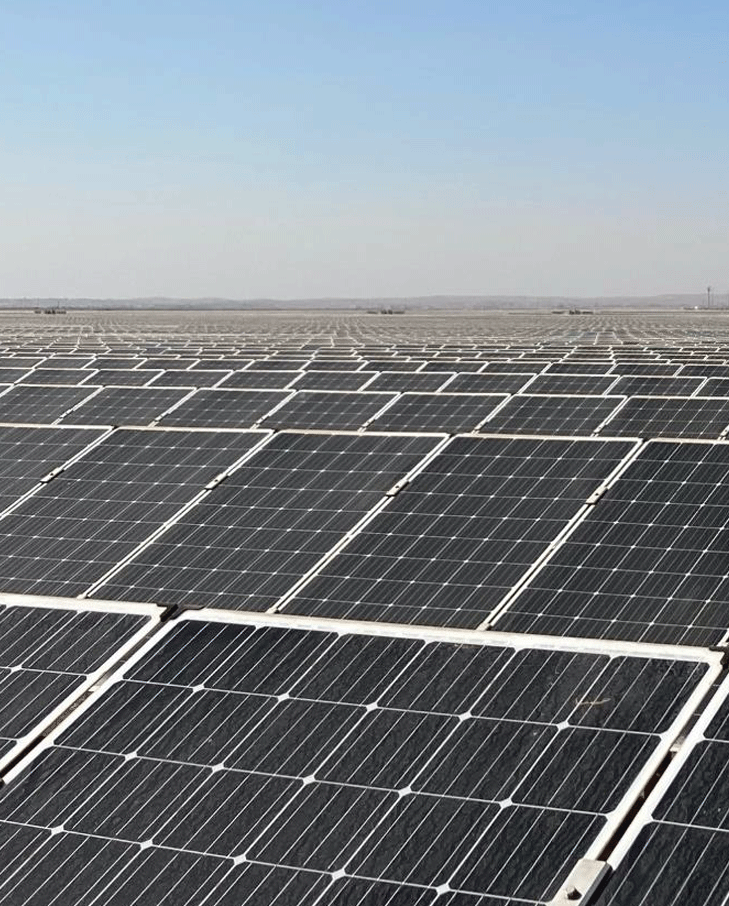
Solar energy is of critical importance in achieving global strategic goals, including those under the Paris Agreement and SDGs. In particular, it is crucial for reaching net zero emissions by 2050. This report contains a review of EBRD operations and policy dialogue in support of utility-scale solar projects until the end of 2020. Based on the assessment of a sample of 10 projects in six countries and a thorough portfolio analysis, the evaluation identifies trends, lessons and themes relevant to this sector.
Very generous electricity producer tariffs might be welcomed by financiers, however they are often unsustainable and carry a high risk of subsequent reduction.
Limited access to concessional financing (to blend with commercial), puts the EBRD at a disadvantage, compared to other IFIs.
In some countries the provision of focused, often ad-hoc, advice from the Bank’s staff has been more frequent (and often more effective), than a structured approach based on large TCs.
Affordability of solar (and RES in general) is best addressed through the transfer of a FiT-based system to one based on auctions.
Financing new solar projects in a country experiencing electricity network capacity limits, can exacerbate the network’s balancing challenges, and be detrimental to an off-taker.
It is critical that analysis of RES growth dynamics incorporates the growth trajectory of the distributed solar market.
As the share of solar in power generation grows, the utility of the cost of solar energy generation as an indicator of its competitiveness diminishes.