
Search
Search

 Eng
Eng
 Eng
Eng
The Baltic states have become known for their innovative economies, digital leadership and ability to turn ambitious ideas into practical solutions.
Beyond the statistics and investment figures, innovation is ultimately about people: the commuters who benefit from cleaner transport, the entrepreneurs creating new business models and the engineers developing solutions to some of the region's challenges.
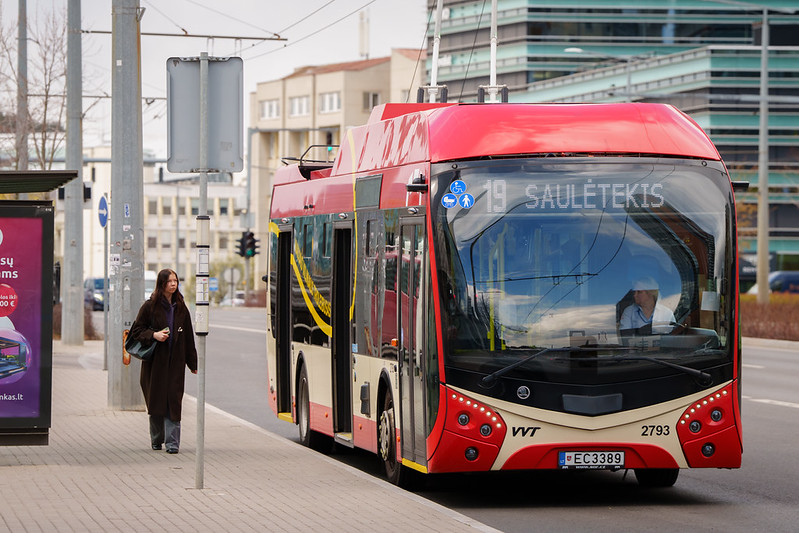
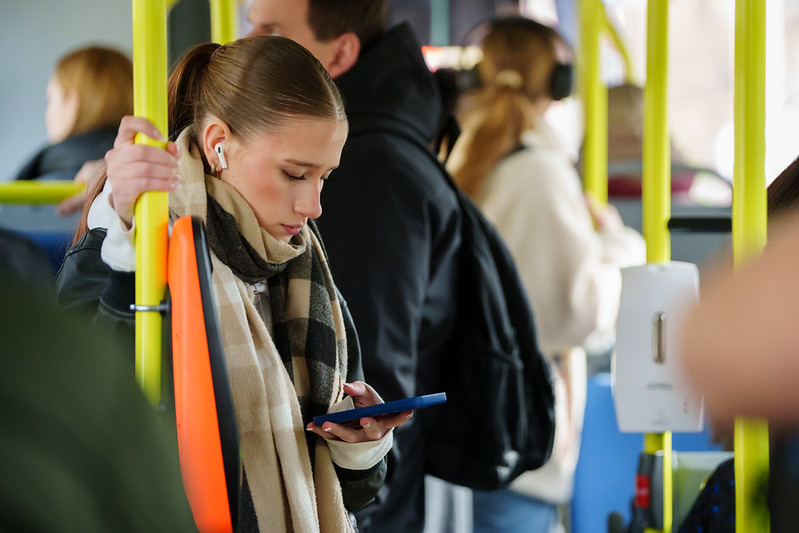
In Vilnius, Jolita experiences innovation not from behind a desk or in a laboratory, but during her daily commute.
The city's new generation of electric trolleybuses is helping modernise public transport, offering passengers a quieter, more comfortable and more reliable way to move around the Lithuanian capital. "The new trolleybuses are more comfortable, quieter, more modern. You can really feel how the city is changing."
The investment is helping improve urban mobility while contributing to broader sustainability goals, demonstrating how innovation can make a tangible difference to everyday life.
Across the border in Riga, innovation is taking a different form. Kristaps Birmanis, Chief Executive Officer of Self Named, is helping entrepreneurs launch and grow their own skincare brands through a digital platform that removes many of the traditional barriers to entry.
By combining digital tools, on-demand production and sustainable manufacturing practices, the company allows businesses to test ideas and grow without generating unnecessary waste. "You can select from those products, add your own design, and connect it directly to your online store", says Kristaps.
The platform's products are manufactured using green electricity and are designed to reduce overproduction; a challenge that affects many industries, including cosmetics.
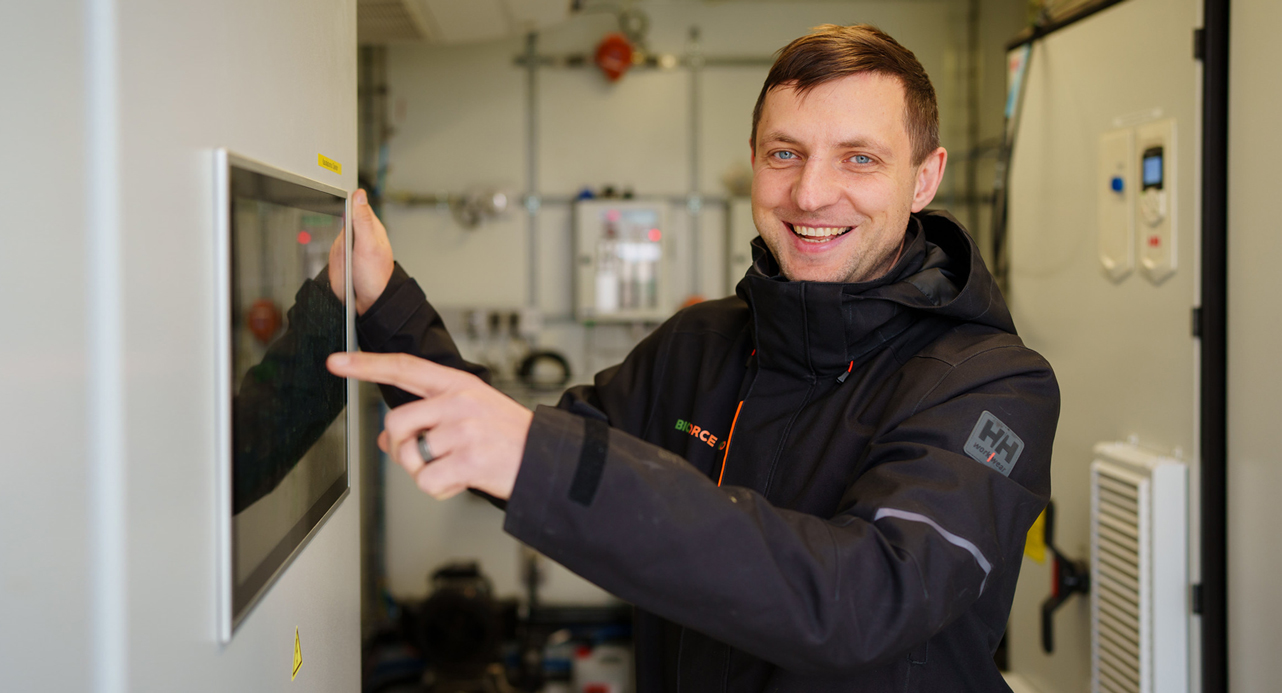
In Estonia, innovation is helping close the loop between agriculture, energy and transport. At Bioforce, Operations Manager Siim Tenno oversees a process that transforms agricultural and organic waste into biomethane, a renewable fuel used in public transport and other sectors.
The project highlights how circular economy solutions can help reduce emissions while strengthening local energy production. "People don't realise that waste can become fuel for an entire city."
The company is also exploring new technologies, including the production of liquefied carbon dioxide, helping position Estonia at the forefront of emerging circular economy solutions.
Select an image to expand
.jpg "At the heart of the circular economy")
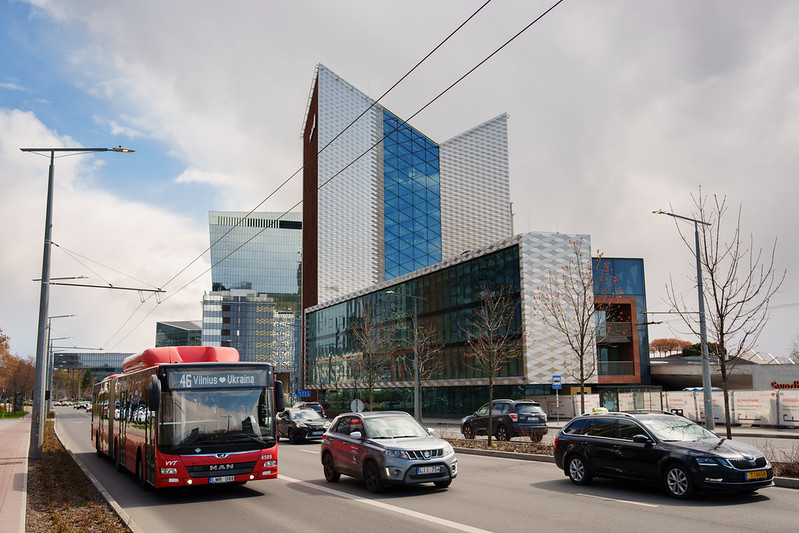
.jpg "Renewable energy in motion")
Select an image to expand
Although their stories are different, Jolita, Kristaps and Siim share a common belief in innovation as a driver of positive change.
Whether through modern public transport, digital entrepreneurship or renewable energy, their experiences illustrate how the Baltic states are building a greener future. As Jolita reflects: "We call ourselves the three sisters. We share knowledge. We grow together."
These projects have received support from the European Union (EU) and TaiwanBusiness EBRD-Technical Cooperation Fund through the High-Impact Partnership on Climate Action (HIPCA), as well as the European Union's Horizon 2020 programme.
If you would like a broadcast-quality version of this or any other EBRD video, including B-roll, please contact our Communications Department.