Search
Search
Who we are
Overview: about the EBRDWho we are
Overview: about the EBRD
Learn about the EBRD's journey to investing more than €220 billion in over 7,800 projects.
What we do
Overview: how the EBRD operatesWhat we do
Overview: how the EBRD operates
Across three continents, the EBRD supports the transition to successful market economies.
Work with us
Overview: how you can work with the EBRDWork with us
Overview: how you can work with the EBRD
We draw on three decades of regional knowledge and financial expertise to tailor our products and approaches to each client's needs.

 Eng
Eng
 Eng
Eng
Author: Bojana Vlajcic
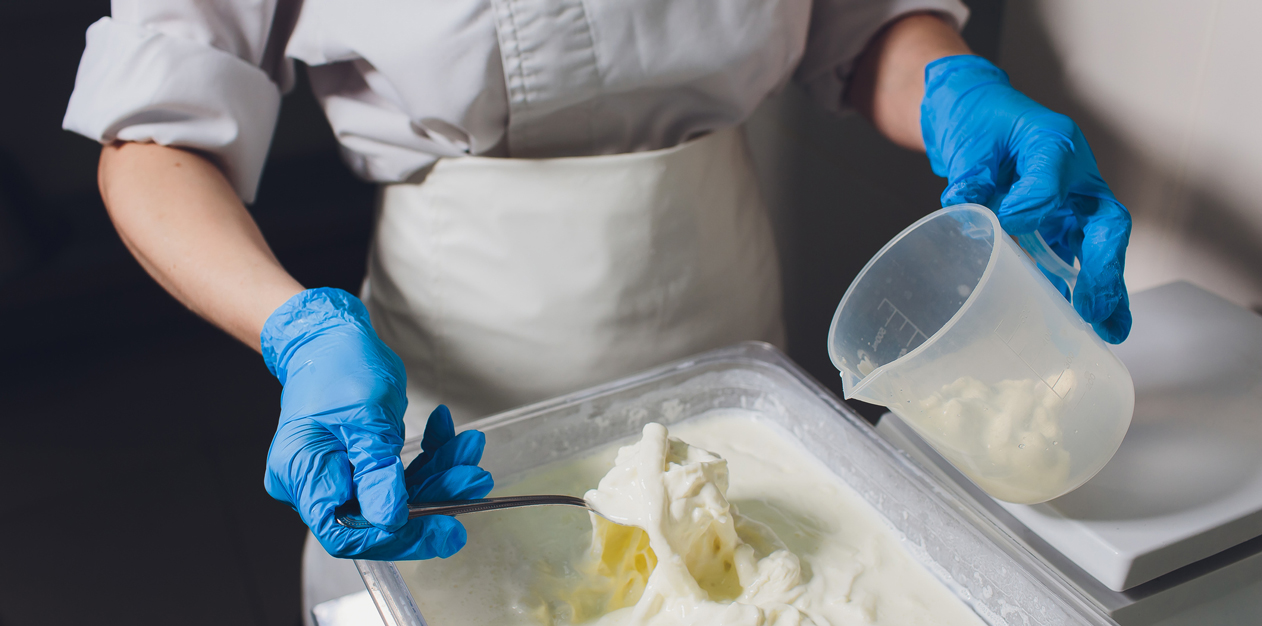
“Like before” is the name of a line of dairy products launched earlier this year by Milk House, a dairy producer based near Niš in southern Serbia. The words capture the company’s promise: high-quality yoghurt and other dairy products made to traditional recipes, but with the support of modern technology.
That combination of tradition, quality and innovation has shaped the family-owned business since its early days. From producing 500 litres of milk a day, Milk House has grown over two decades into a company processing around 100,000 litres daily.
Today, the company is taking the next step in its development: investing in greener and more efficient production, with the support of the European Bank for Reconstruction and Development (EBRD) and the European Union (EU).
“This place has been like a big construction site for the past 10 years,” says Dušan Gavrilović, Milk House’s Executive Director. “We invested in a rooftop solar power plant and are now expanding it. It already helps us generate some of the energy we need for heating and, in particular, for cooling, which is essential in dairy production.”
The investment was financed through the SME Go Green programme, launched by the EBRD with the support of the EU. The programme helps small and medium-sized enterprises (SMEs) across the Western Balkans to invest in green technologies, combining financing with EU-funded grant incentives.
For companies like Milk House, these incentives, particularly for renewable energy and agribusiness investments, can amount to as much as 15 per cent of the loan value, making green upgrades more accessible.
Alongside the solar installation, Milk House has invested in new pasteurisation and sterilisation equipment. The modern machinery is more energy and water efficient, helping the company to reduce costs while improving productivity.
“The savings and the incentive we received helped us to move ahead with additional investments,” Dušan says.
The investments are also making a tangible difference to Milk House’s employees. Around 250 people work at the company, many of them directly involved in production.
For Marko, a technician on the production line, the new equipment has improved both the efficiency and safety of day-to-day operations.
“The new equipment allows us to produce more in less time and is easier to use,” he says. “It helps us work more efficiently and maintain the quality of our products.”
Milk House is one of many companies in Serbia benefiting from EBRD and EU support for investments in greener operations.
Across the country, small businesses are upgrading equipment, investing in renewable energy and improving energy efficiency, helping them to reduce costs and align with evolving environmental standards.
With increasing regulatory pressures and growing demand for sustainable production, such investments are key to ensuring that local companies remain competitive and ready for EU markets.