Search
Search
Who we are
Overview: about the EBRDWho we are
Overview: about the EBRD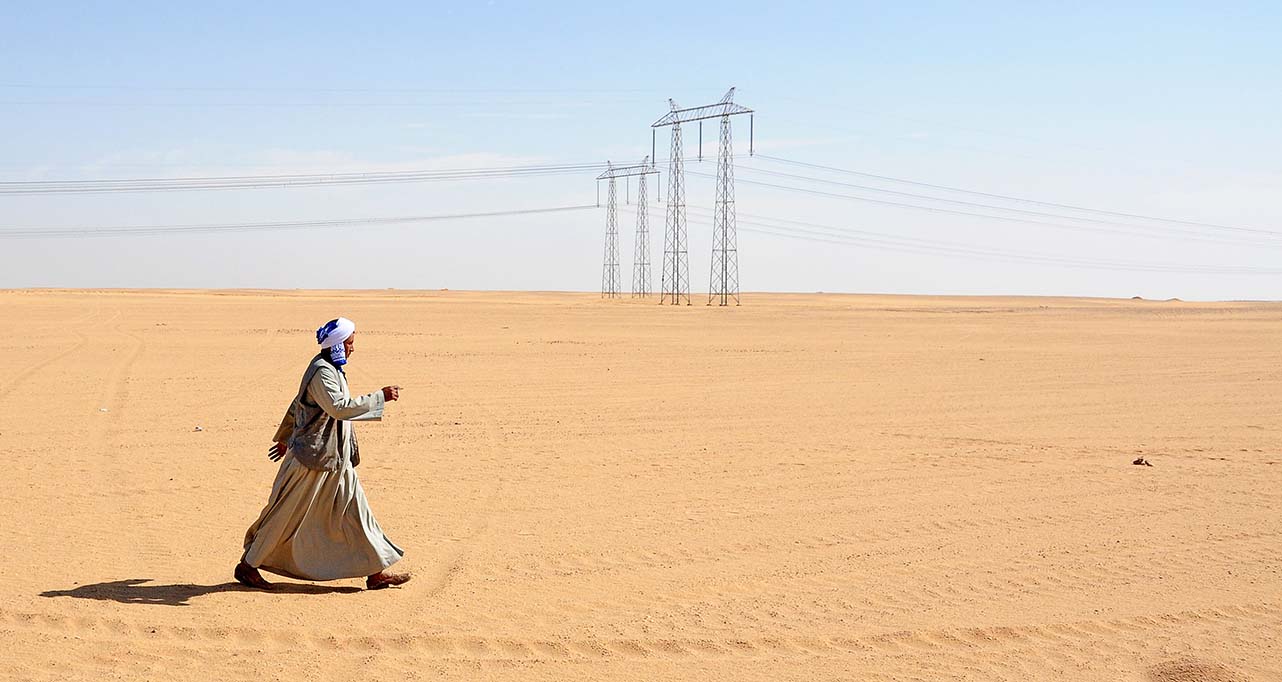
Explore the EBRD’s journey over the decades, investing in businesses, supporting economies and driving lasting change across its regions.
What we do
Overview: how the EBRD operatesWhat we do
Overview: how the EBRD operates
Across three continents, the EBRD supports the transition to successful market economies.
Work with us
Overview: how you can work with the EBRDWork with us
Overview: how you can work with the EBRD
We draw on three decades of regional knowledge and financial expertise to tailor our products and approaches to each client's needs.

 Eng
Eng
 Eng
Eng
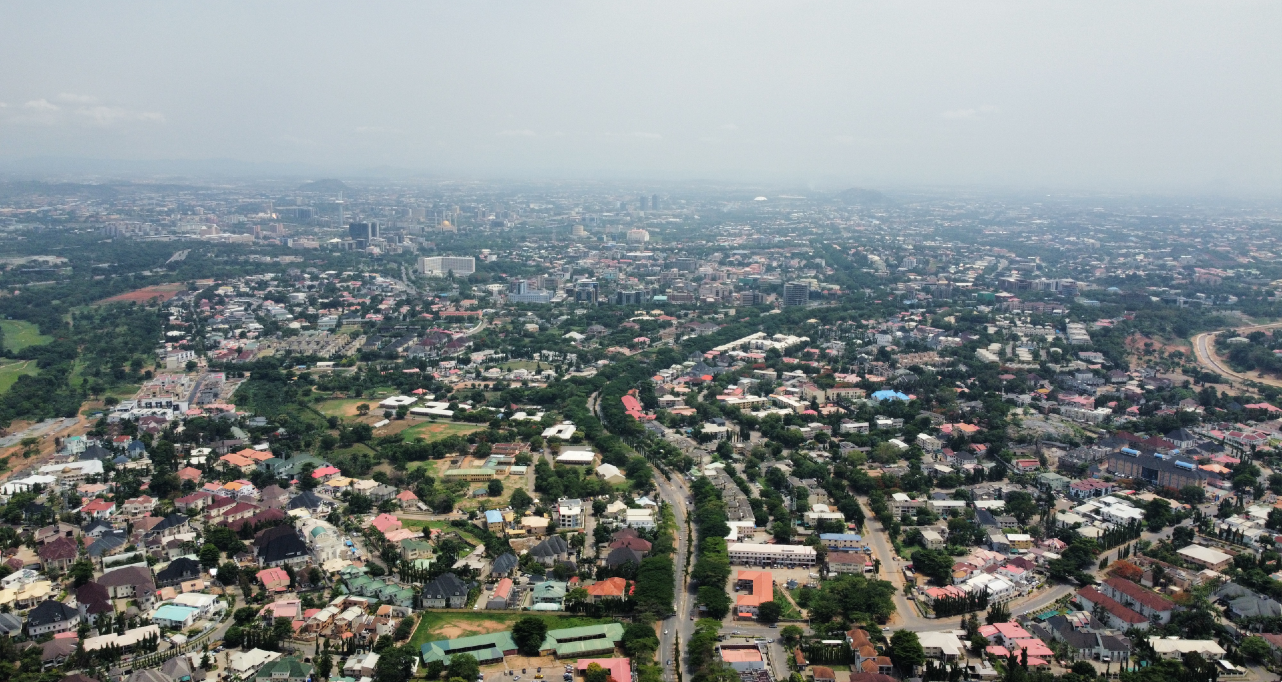
European Bank for Reconstruction and Development (EBRD) President Odile Renaud-Basso will travel to Nigeria this week, marking her first visit to a sub-Saharan country since Bank shareholders’ historic decision to start investing in the region.
During her visit, President Renaud Basso will meet with senior government officials, including Minister of Finance and Coordinating Minister of the Economy and EBRD Governor Adebayo Olawale Edun, to discuss government economic priorities and private-sector investment. She will also meet representatives from the private sector and development partners.
The visit underscores the EBRD’s growing engagement in Nigeria and sub Saharan Africa, and the Bank’s commitment to supporting private sector development, sustainable infrastructure and economic resilience across the region.
President Renaud-Basso said: “I am very pleased to visit Nigeria at this pivotal moment. As the EBRD launches its activities in sub‑Saharan Africa, Nigeria stands out as a vibrant, high‑potential economy where our private‑sector‑focused model can make a real difference. We look forward to working closely with Nigerian partners to foster sustainable growth, deepen financial resilience and support the country’s development ambitions.”
The EBRD President will be joined by Heike Harmgart, Managing Director for Sub-Saharan Africa, and Hamza Al-Assad, EBRD Director of the Bank in Nigeria.
Nigeria became an EBRD shareholder and a country of operation in 2025, when the Bank signed its first investment agreement in the country, to provide a trade financing facility to Access Bank.
In Nigeria, the Bank aims to invest in sustainable critical infrastructure that underpins private-sector development, to support the modernisation and efficiency of enterprises, and to strengthen the economic governance of institutions.