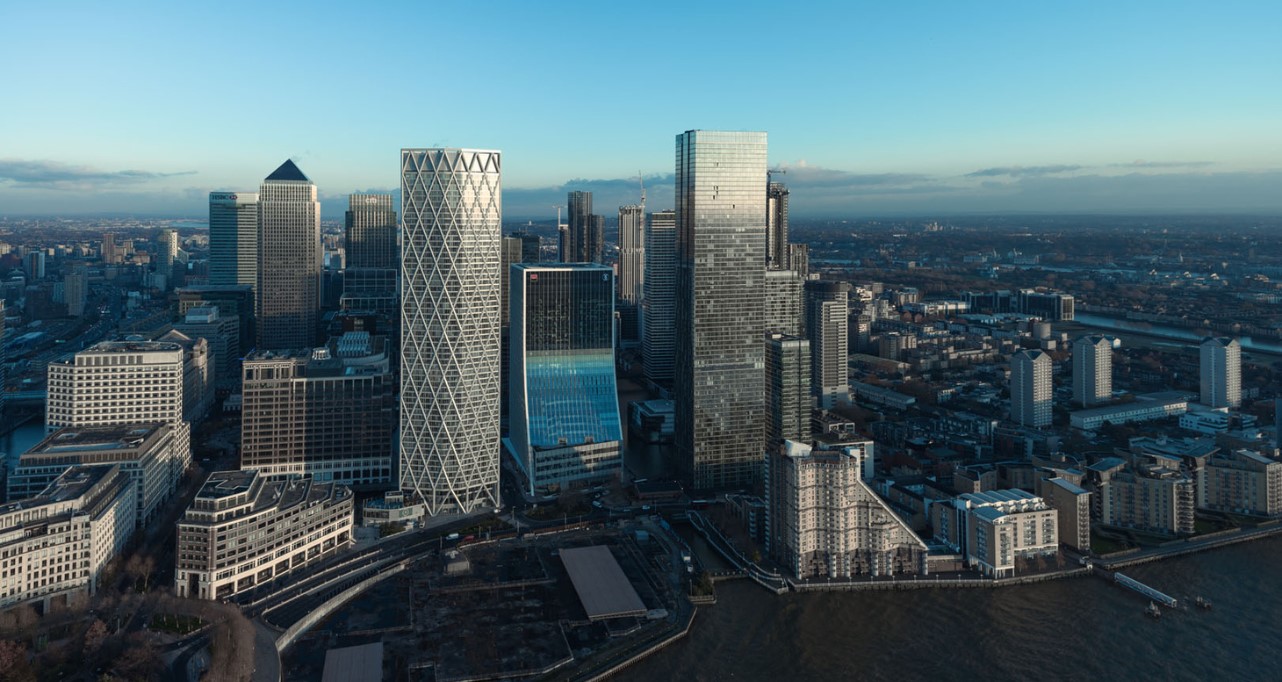

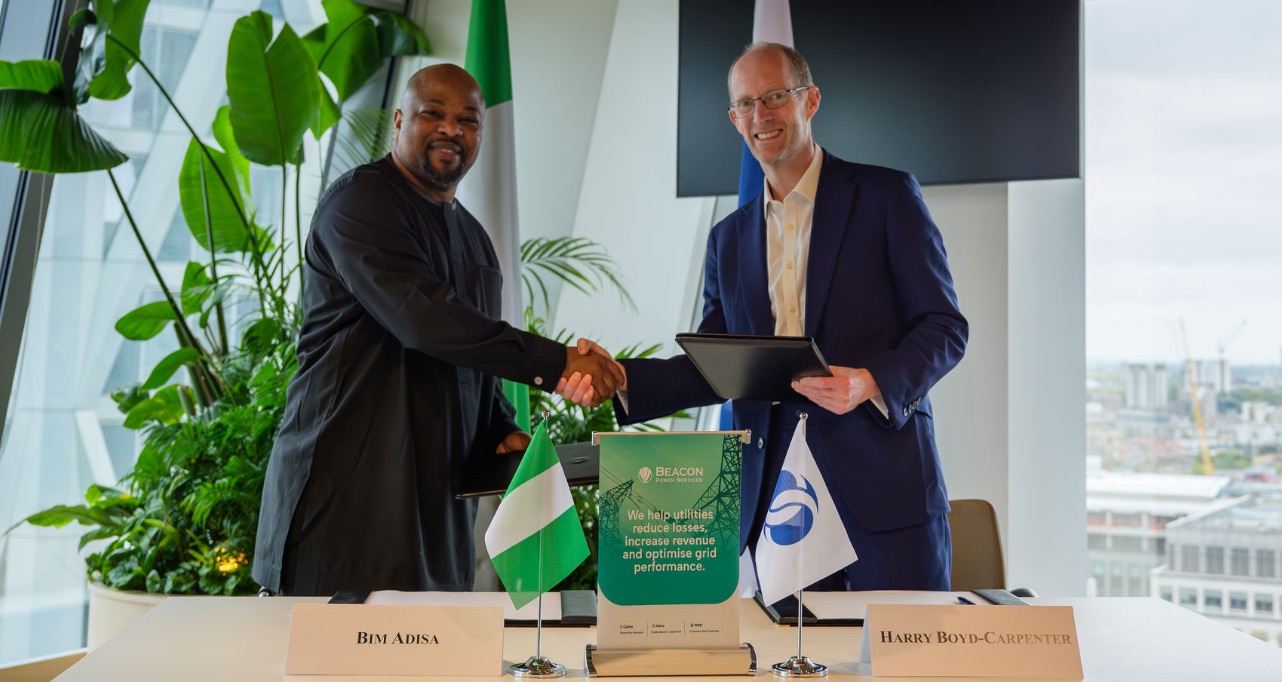
EBRD supports digitalisation of Nigeria’s power distribution network
Financing will help enable rollout of smart metering, digital grid solutions and electricity distribution improvements
12 Oct 2026
Who we are
Overview: about the EBRDWho we are
Overview: about the EBRD
Learn about the EBRD's journey to investing more than €220 billion in over 7,800 projects.
What we do
Overview: how the EBRD operatesWhat we do
Overview: how the EBRD operates
Across three continents, the EBRD supports the transition to successful market economies.
Work with us
Overview: how you can work with the EBRDWork with us
Overview: how you can work with the EBRD
We draw on three decades of regional knowledge and financial expertise to tailor our products and approaches to each client's needs.

 Eng
Eng
 Eng
Eng
The European Bank for Reconstruction and Development (EBRD) has approved its Green Economy Transition Strategy for 2026-30. The strategy was adopted at the Bank’s most recent Board of Directors meeting and will form a part of the 2026-30 Strategic and Capital Framework.
The strategy responds to demand from the Bank’s economies and defines the Bank’s direction with regard to the green transition over the next five years. It sets out the structure and mechanisms through which the Bank will enable the development of competitive, resilient, market-oriented and private-sector-led economies that deliver a green transition, while ensuring energy security.
It also establishes an enhanced level of ambition for green finance across the Bank’s regions, with a strong focus on climate mitigation, adaptation and nature. It focuses on maximising impact in six key systems: energy, industrial, agrifood, transport, urban and financial.
In addition, the EBRD commits to scaling up its cumulative green financing to at least €150 billion by 2030, both from its own funds and mobilised private-sector flows. This will include dedicating at least 50 per cent of the EBRD’s total annual business volume to the green space, increasing the number of projects with a climate resilience component by 50 per cent and exploring opportunities for nature-positive investments.
EBRD President Odile Renaud-Basso said: “Our countries of operations are increasingly exposed to impacts of climate change. By removing market barriers and accelerating greener approaches in energy, industry, agrifood, transport, cities and finance - the six core economic systems at the heart of our GET strategy - we are responding to our clients’ demands to support their green transition. This enables them to mitigate climate change effects, while strengthening competitiveness and improving the countries’ energy access, affordability and security.”
The Green Economy Transition Strategy 2026-30 is the EBRD’s response to intensifying climate impacts across the Bank’s regions, rapid advances in green technology and growing demand from clients for guidance and leadership on navigating both. Because of its transition mandate and its history in green finance, the EBRD is well placed to address these needs. Since 2006, the EBRD has invested more than €75 billion in green projects.
The Strategic and Capital Framework for 2026-30 raises the Bank’s ambition to deliver impact for its countries of operation, clients and partners through investments, chiefly in the private sector, and policy reform initiatives. Within the framework, the green transition stands alongside two other priorities: economic governance, and human capital and equality of opportunity for all. These priorities are supported by two enablers: digital technology and private-sector mobilisation.
In 2025, as in previous years, the EBRD delivered more than half of its annual business volume in the green space, reflecting sustained demand from clients and robust investment pipelines across its regions. This progress was matched by the Bank’s persistently strong financial performance, including record profits, underpinned by its long‑standing credit rating of triple‑A with a stable outlook.
Financing will help enable rollout of smart metering, digital grid solutions and electricity distribution improvements
12 Oct 2026

Meetings planned with government, business, civil society and international partners
12 Oct 2026
News
With EBRD and donor support, ALDA rebuilt its printing business in western Ukraine, protected jobs and is now setting its sights on European markets
11 Oct 2026