
Search
Search

 Eng
Eng
 Eng
Eng
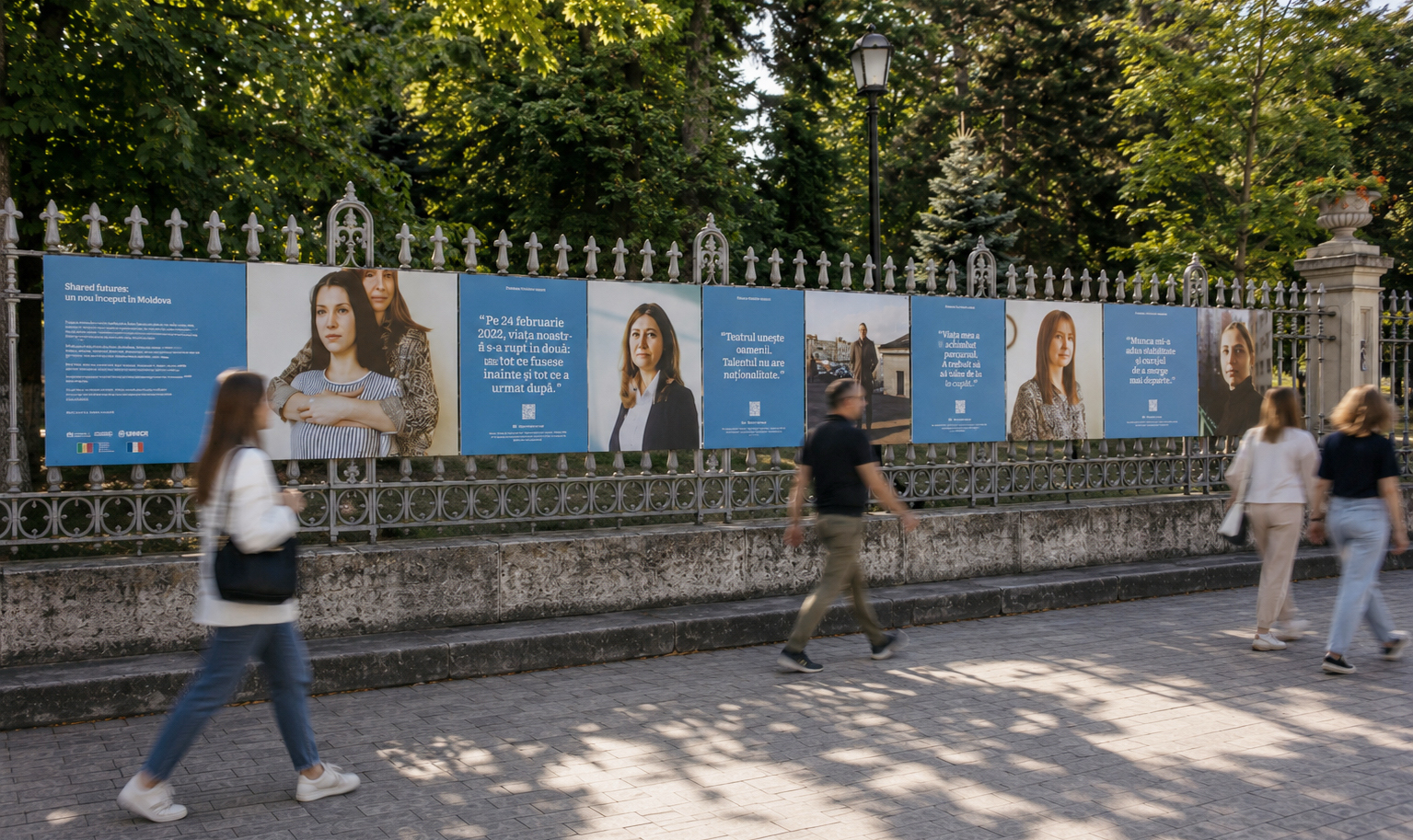
On a busy street in central Chișinău, passers-by slow down in front of a series of large images. Beside each portrait, a few words speak about displacement, work, uncertainty and the long process of rebuilding life far from home. A teacher sits quietly in an empty classroom. A theatre director looks beyond the frame. A mother holds her daughter close.
Since the start of the full-scale war on Ukraine, Moldova has hosted hundreds of thousands of refugees. For many of them, finding employment has meant regaining routine, dignity and a sense of belonging after being forced to leave everything behind. While many moved on, thousands have remained in the country, rebuilding their lives while contributing to local communities, workplaces and the economy.
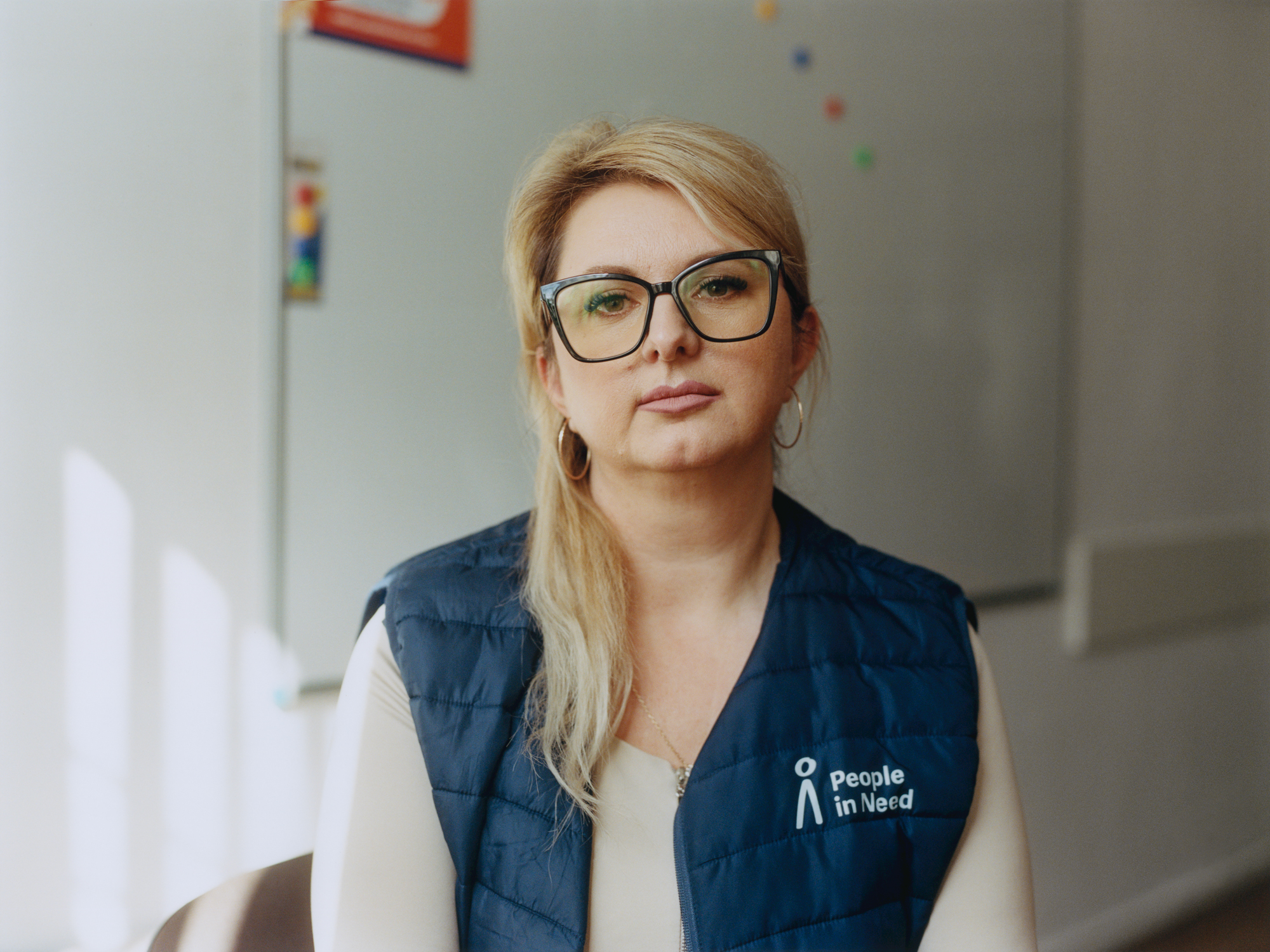
“Starting over was frightening at first,” says Tatiana, who fled Ukraine with her family and is now teaching again in Moldova. “You arrive somewhere new and suddenly everything familiar disappears. Work helped us feel stable again.”
Tatiana is one of the refugees featured in Shared Futures, a public photography exhibition developed by the European Bank for Reconstruction and Development (EBRD) together with the United Nations High Commissioner for Refugees (UNHCR) and the National Congress of Ukrainians in Moldova (NCUM), highlighting the experiences of Ukrainian refugees rebuilding their lives in Moldova through employment.
Behind the exhibition is ROBOTA, an online platform developed in 2022 by the NCUM with support from UNHCR, EBRD and donors. The platform connects refugees with job opportunities, practical information and support services, while also helping Moldovan employers to access Ukrainian talent. Since its launch, ROBOTA has supported more than 2,500 people and facilitated access to over 3,000 job opportunities across Moldova.
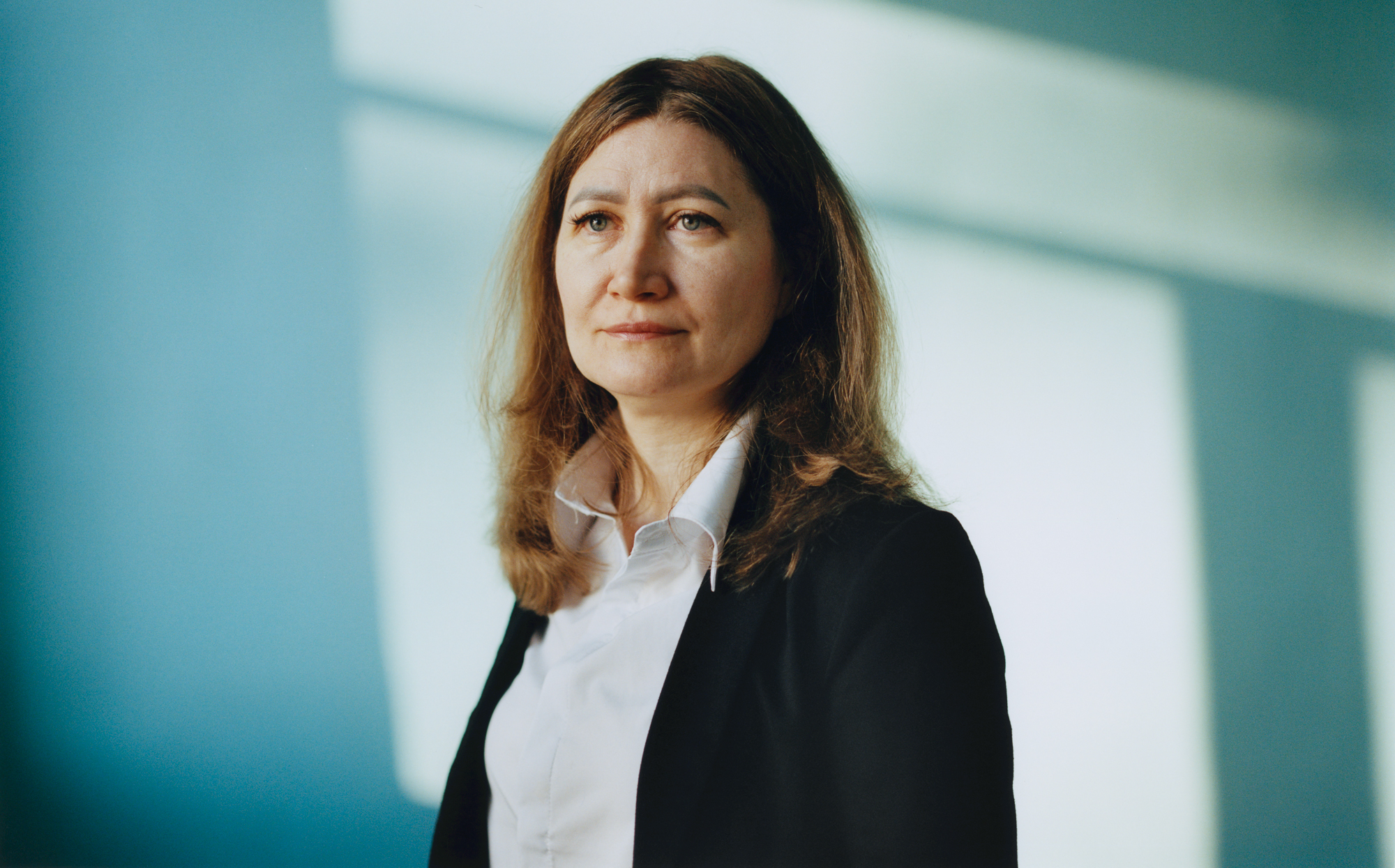
Olga found her way back to the classroom
When war forced Olga to leave Ukraine, teaching helped her find a sense of belonging and continue supporting others in Moldova.
For Olga, a biologist and teacher, returning to work became a way to hold on to a part of herself after displacement. “On 24 February 2022, our lives split into before and after,” she says. “When I started teaching again, I felt for the first time that life could continue.”
Education remains one of the most in-demand sectors for Ukrainian refugees in Moldova. In some schools, Ukrainian-language classes continue to support children who have fled the war, while classrooms still carry visible reminders of Ukraine through books, drawings and cultural symbols. For teachers like Olga and Tatiana, returning to education is also a way of keeping language, memory and identity present for the next generation.
The exhibition also introduces Fedor, a theatre director in Chișinău who hired a Ukrainian refugee through ROBOTA and believes culture can help create connection across communities. “Talent has no nationality,” he says. “When people work together, they stop seeing each other only as refugees or locals.”
For Fedor, theatre became a space where people from different backgrounds could meet, collaborate and slowly rebuild trust and confidence together. In a time marked by displacement and uncertainty, the arts continue to play an important role in creating dialogue, preserving identity and helping communities remain connected.
Select an image to expand
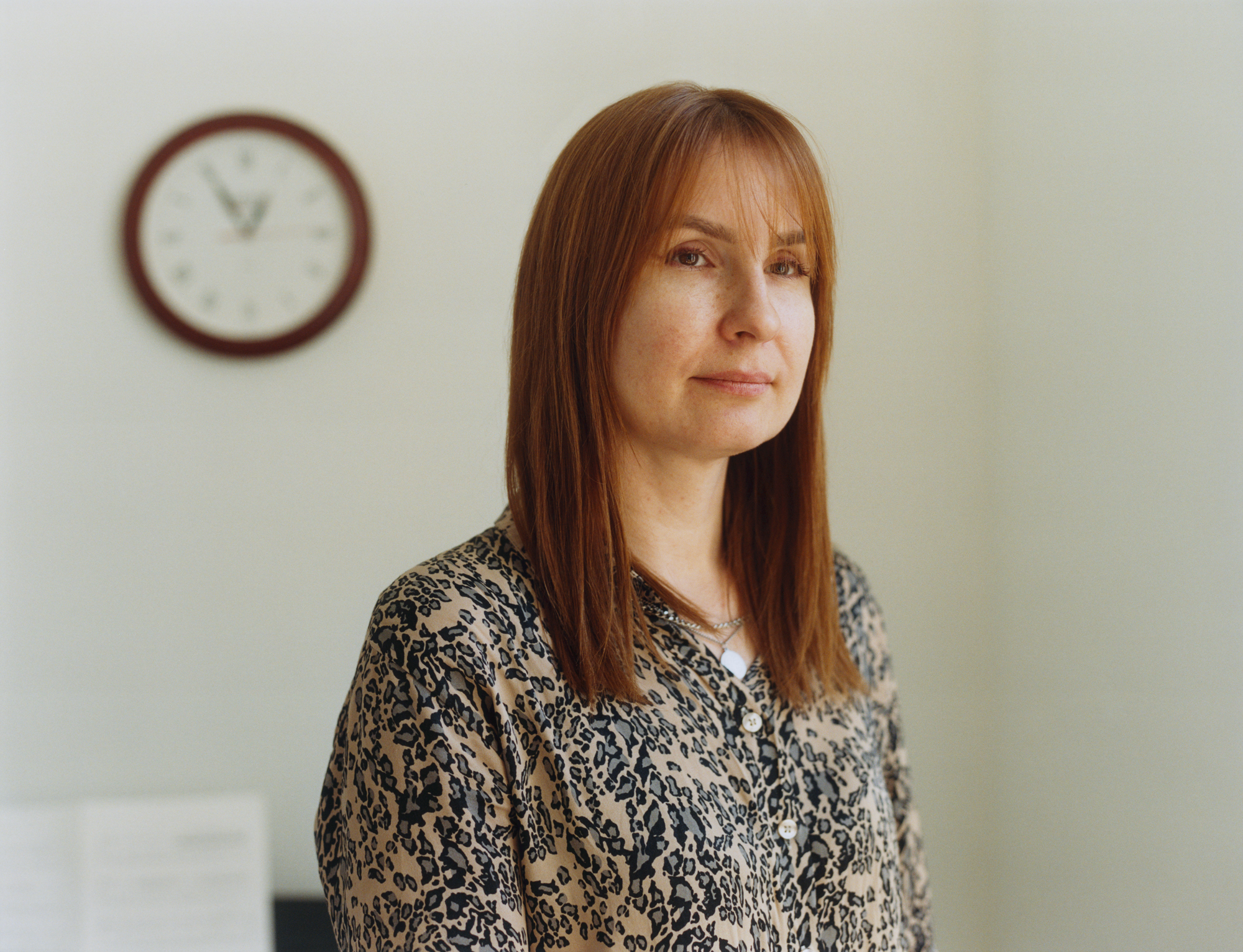
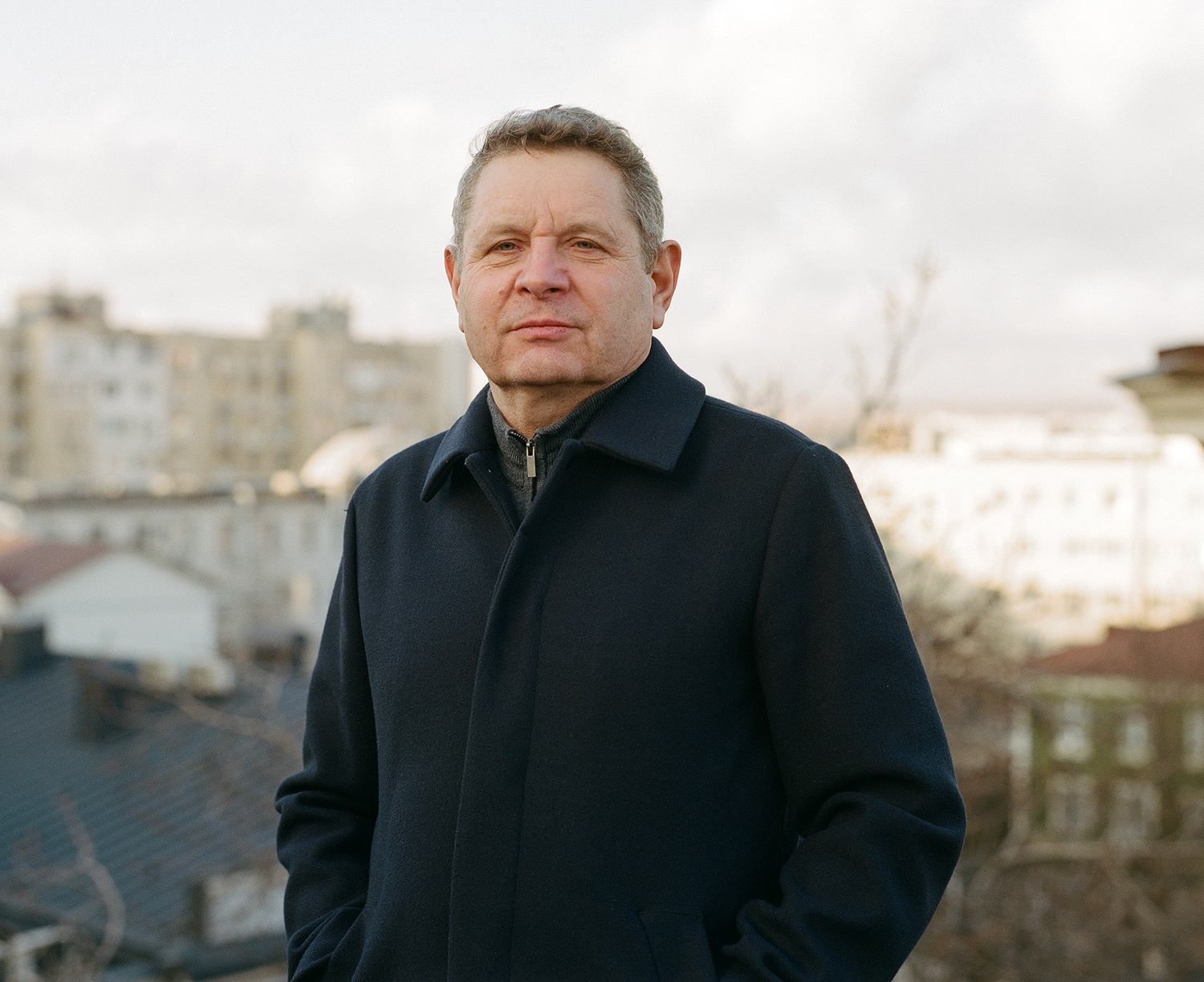
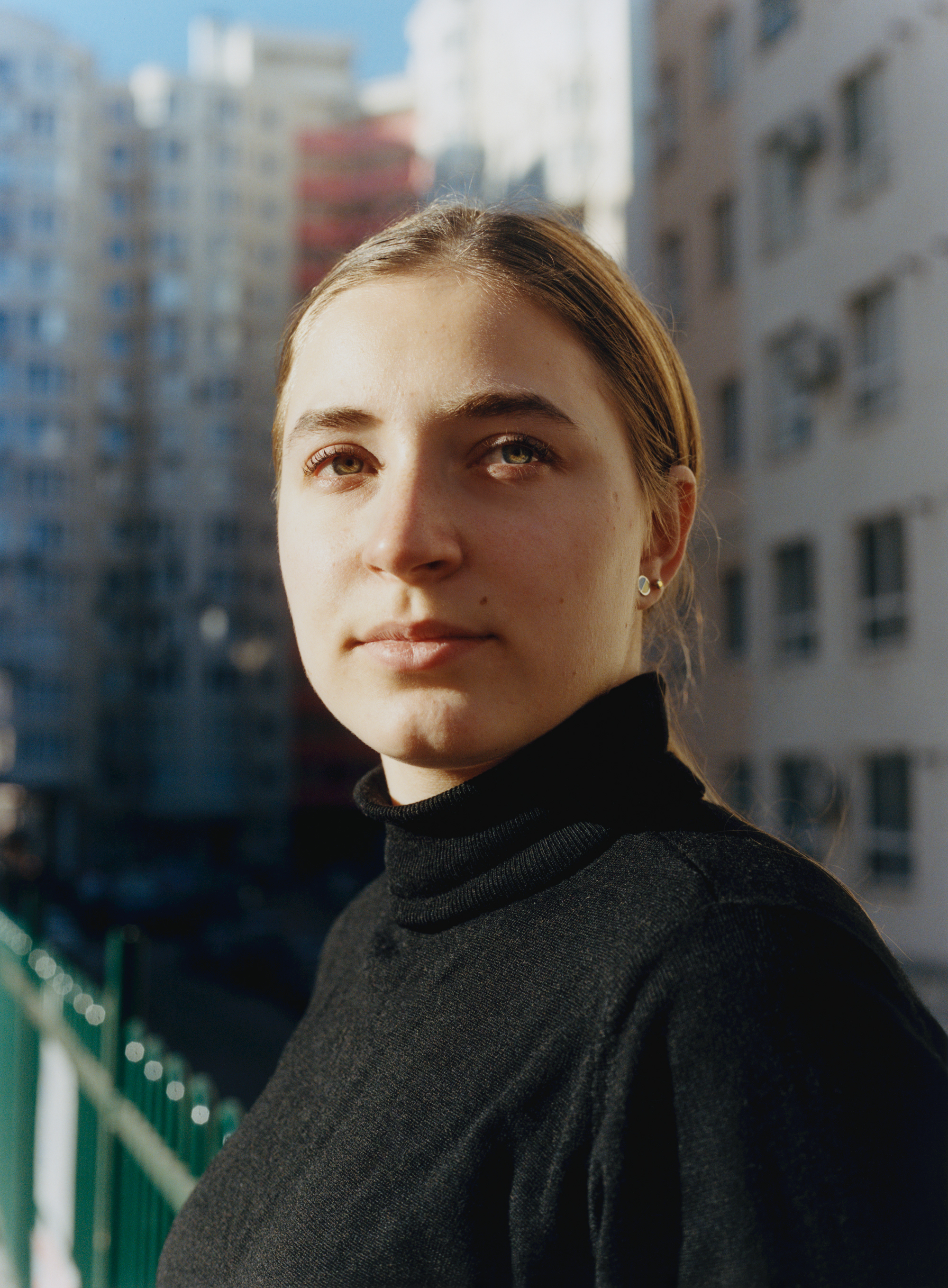
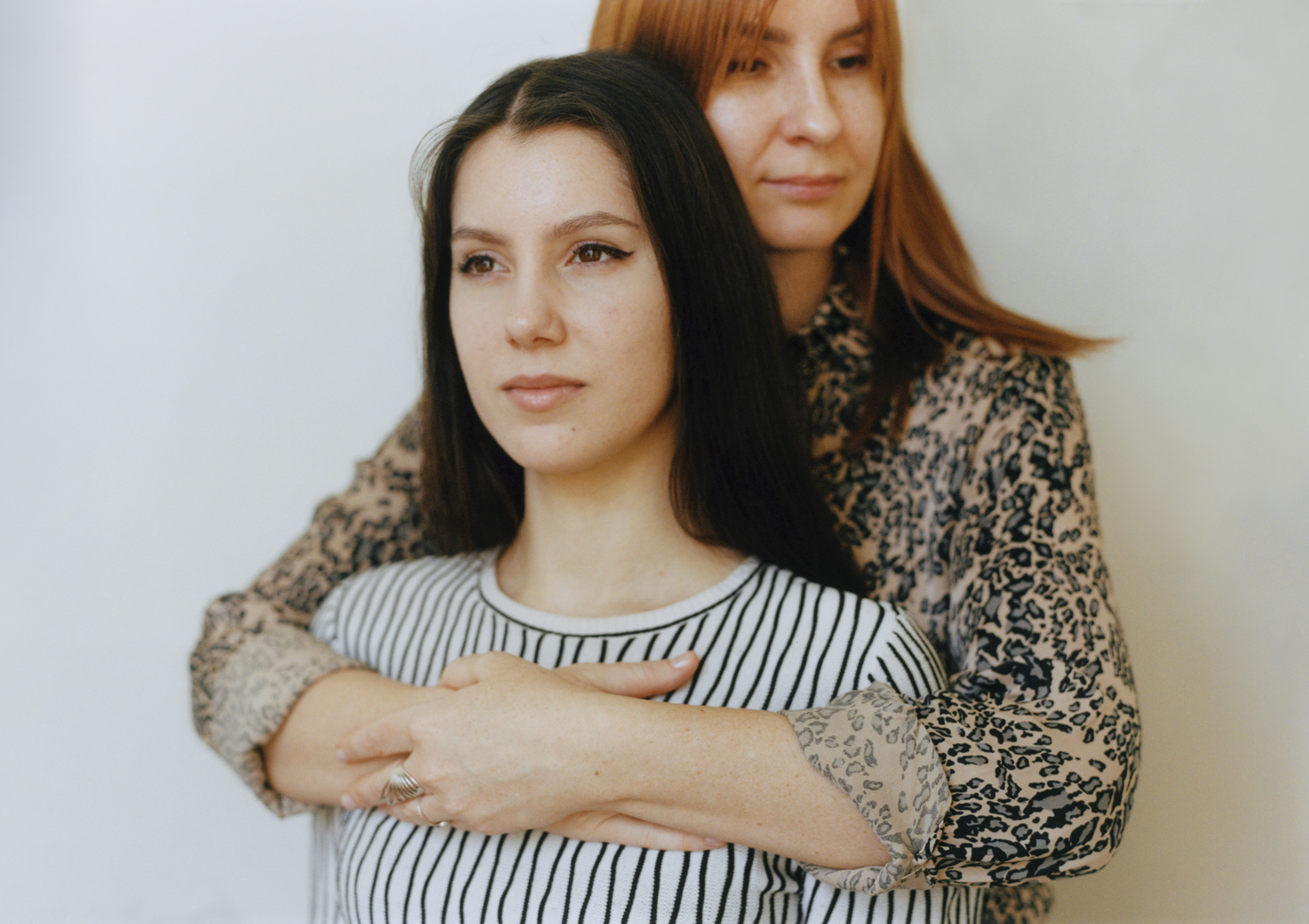
Select an image to expand
The images were shot on film by Ukrainian photographer Daria Svertilova, whose family was also displaced by the war. Daria’s parents are refugees from Odesa who now work with seafarers passing through Moldova, supporting people whose lives have also been disrupted by the war. Through the exhibition, Daria wanted to document not only displacement, but also the quieter process of adaptation and rebuilding that often happens away from headlines.
“I didn’t want these photographs to feel only about loss,” she explains. “I wanted them to feel human and open. These are people trying to continue their lives, their professions, their relationships.” Using medium-format film photography, Daria created portraits that move between intimacy and public space, capturing both vulnerability and resilience.
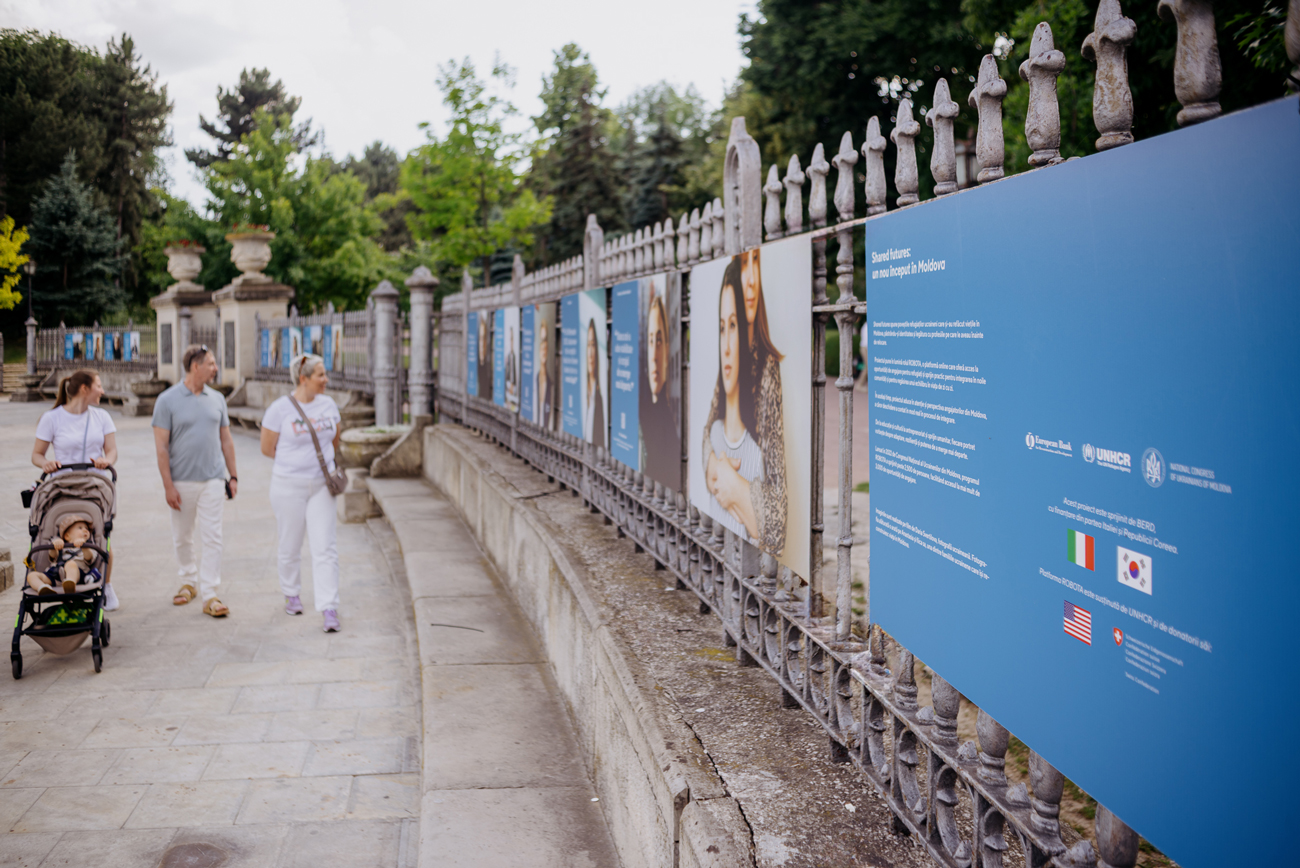
Shared Futures in central Chișinău
Visitors explore the Shared Futures exhibition on Ștefan cel Mare Boulevard, highlighting the experiences of Ukrainian refugees rebuilding their lives in Moldova through work, entrepreneurship and community support.
As people move along the streets, the portraits gradually stop feeling like stories about strangers. They become stories about colleagues, teachers, entrepreneurs, artists and humanitarian workers, people already contributing to Moldova’s future.
The ROBOTA platform has received support from Italy and the Republic of Korea.