Search
Search
Who we are
Overview: about the EBRDWho we are
Overview: about the EBRD
Learn about the EBRD's journey to investing more than €220 billion in over 7,800 projects.
What we do
Overview: how the EBRD operatesWhat we do
Overview: how the EBRD operates
Across three continents, the EBRD supports the transition to successful market economies.
Work with us
Overview: how you can work with the EBRDWork with us
Overview: how you can work with the EBRD
We draw on three decades of regional knowledge and financial expertise to tailor our products and approaches to each client's needs.

 Eng
Eng
 Eng
Eng
Author: Bojana Vlajcic
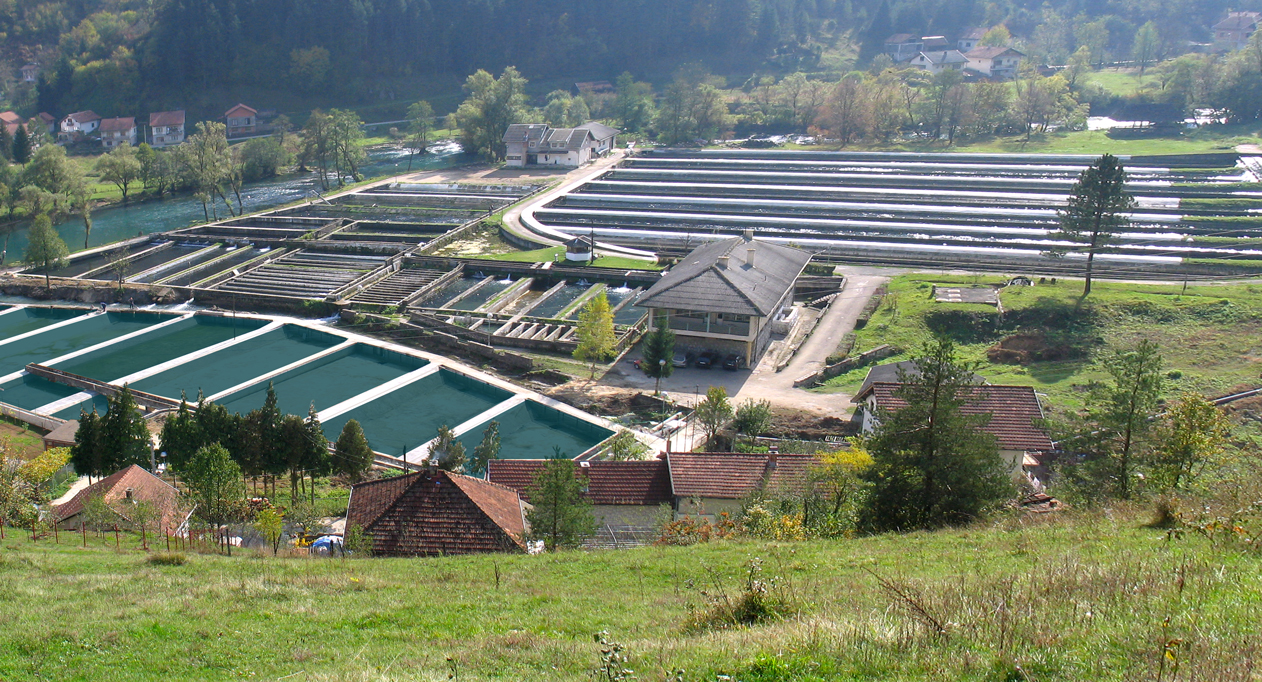
Operating under the brand name Tropic Ribarstvo, Ribnjak Janj has evolved into one of the leading trout producers in Bosnia and Herzegovina, supplying some of major European retailers. Today, between 60 and 70 per cent of the 2,000 tonnes or so of trout that it produces each year is exported to the European Union (EU).
“Our approach has always been long term,” says Director Zoran Tepić. “We invested in technology, people and processes to build a system that can meet the demands of European buyers.”
Investing in greener production
Ribnjak Janj recognised the need to modernise and reduce its environmental footprint in order to stay competitive. In trout farming, oxygen levels in the water are critical for fish health, growth and efficiency.
With support from the European Bank for Reconstruction and Development (EBRD) and the European Union, the company invested in a new oxygen production and distribution system across its fish tanks.
The financing for this was provided under the SME Go Green programme, a joint EBRD-EU initiative that helps small and medium-sized enterprises (SMEs) in the Western Balkans to invest in green technologies and align themselves with EU standards.
The upgrade is already delivering tangible results. More precise control of water conditions has improved fish health and stabilised production, while reducing reliance on externally supplied oxygen.
“This investment has made our production more efficient and more resilient,” Tepić says. “It also enabled us to receive an EU grant covering 15 per cent of the investment.”
The benefits extend across the business. Improved feed conversion and fish health are helping to increase productivity, while reducing production costs per kilogram of fish.
Automation of the oxygen system has also reduced manual handling, easing the physical burden on workers and lowering safety risks.
At the same time, the investment has contributed to greener operations, cutting energy use and CO₂ emissions and improving the overall efficiency of resource use – key priorities when it comes to the EU’s Green Deal and international certification standards.
Looking aheadRibnjak Janj plans to continue investing in digitalisation and automation as it strengthens its presence in EU markets. For the company, innovation and adherence to European standards are not just requirements, they are key drivers of growth.
With continued support from the EBRD and the EU, businesses like Ribnjak Janj are showing that green investment can boost competitiveness, provide access to new markets and deliver lasting benefits for local economies.