
Search
Search

 Eng
Eng
 Eng
Eng
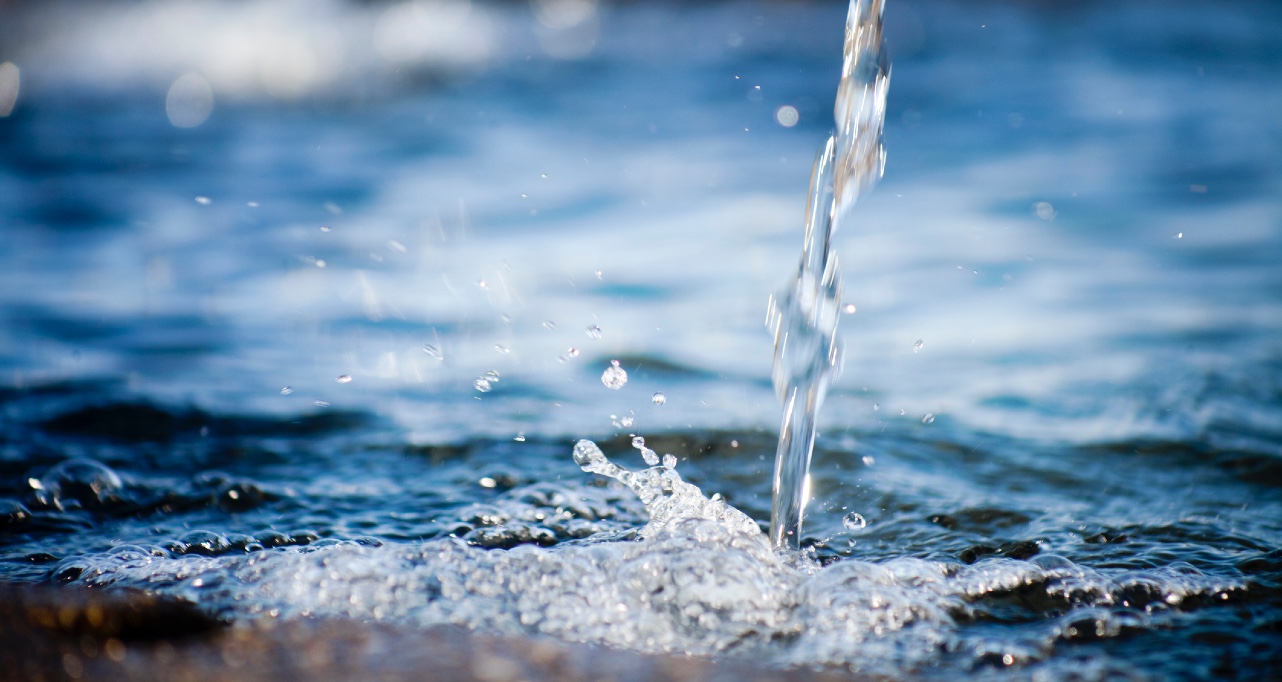
The European Bank for Reconstruction and Development (EBRD) is extending a sovereign loan of up to €150 million to Morocco to finance the construction of a water distribution network aimed at irrigating 20,000 hectares in the water-scarce Saïss plain in the Fès-Meknès region. This represents the third and final phase of the Saïss Water Conservation Programme – a flagship initiative to preserve the Saïss aquifer and promote sustainable water management in the region – and brings the total cost of the project to €252 million, following the provision of financing in 2017 and 2020 (also supported by the European Union and the Green Climate Fund).
This sovereign loan will be complemented by an investment grant totalling US$ 7.5 million (approximately €6.5 million) from the United Kingdom under the EBRD’s High-Impact Partnership for Climate Action (HIPCA)* multi-donor fund. Recognising the project’s strategic importance for Morocco, the Bank is also providing a €5 million investment grant, as well as a €500,000 technical assistance grant.
The agreement for this financing was signed by Greg Guyett, the EBRD’s First Vice President, on his first visit to the country in that capacity, and Fouzi Lekjaa, the Minister Delegate for the Budget at the Ministry of Economy and Finance, in the presence of Ahmed El Bouari, the Minister for Agriculture, Maritime Fisheries, Rural Development, Water and Forests.
Minister Delegate Lekjaa said: “The quality of our partnership with the EBRD is based on a solid relationship focused on delivering concrete results. The financing agreement that has just been signed is part of a clear national vision and reaffirms the government’s commitment to strengthening the kingdom’s water security and ensuring the resilience of Moroccan agriculture in the face of the increased effects of climate change. The EBRD plays a key role in the development of sustainable infrastructure in the kingdom by promoting green and inclusive investments. The Bank also supports the dynamism of the private sector through direct financing for enterprises, as well as by providing financing lines to partner banks.”
Mr Guyett said: “We are pleased to finance the final phase of the Saïss Water Conservation Programme, building on the success of the first two phases of this strategic investment. This long-term engagement reflects the strength of our partnership with Morocco and our shared goal to advance sustainable, climate-resilient water management. As the programme nears completion, the EBRD will continue supporting the country’s priorities to modernise water infrastructure, promote efficient use of resources and improve rural livelihoods.”
The Saïss Water Conservation Programme seeks to replace unsustainable groundwater abstraction with sustainable and resilient use of surface water, transferring 90-120 million m³ of water annually from the M’Dez dam to the Saïss plain for irrigation purposes. This phased investment programme is expected to benefit around 5,000 farms and 1.8 million people, while alleviating pressure on the Saïss aquifer.
Morocco faces persistent water scarcity – a challenge that is being further exacerbated by the effects of climate change. This project will enable climate-resilient irrigation by replacing unsustainable groundwater abstraction with the use of surface water, preserving the Saïss aquifer and strengthening agricultural resilience and water security in the Saïss plain.
The project also features a strong focus on gender and economic inclusion. Technical cooperation initiatives will enhance skills and employability in sustainable water management for young people and women in the Fès-Meknès region and support the implementation of a SCADA-based system for remote management of the irrigation network, allowing efficient use of resources.
The Bank is a leading institutional investor in Morocco. Since beginning operations in the country in 2012, it has invested almost €5.9 billion in Morocco through 125 projects to date.
* HIPCA receives active donor support from Austria, Canada, Finland, Germany, the Netherlands, Norway, South Korea, Spain, Switzerland, the TaiwanICDF, the United Kingdom and the United States of America.