
Search
Search

 Eng
Eng
 Eng
Eng

The European Bank for Reconstruction and Development (EBRD) is joining forces with Italy to support the sustainability and resilience of Egypt’s agricultural sector, with a focus on small and medium-sized enterprises (SMEs). Italy’s €5 million contribution to the EBRD Small Business Impact Fund will support the launch of the Bank’s first Sustainable Agriculture Pilot Programme in the country.
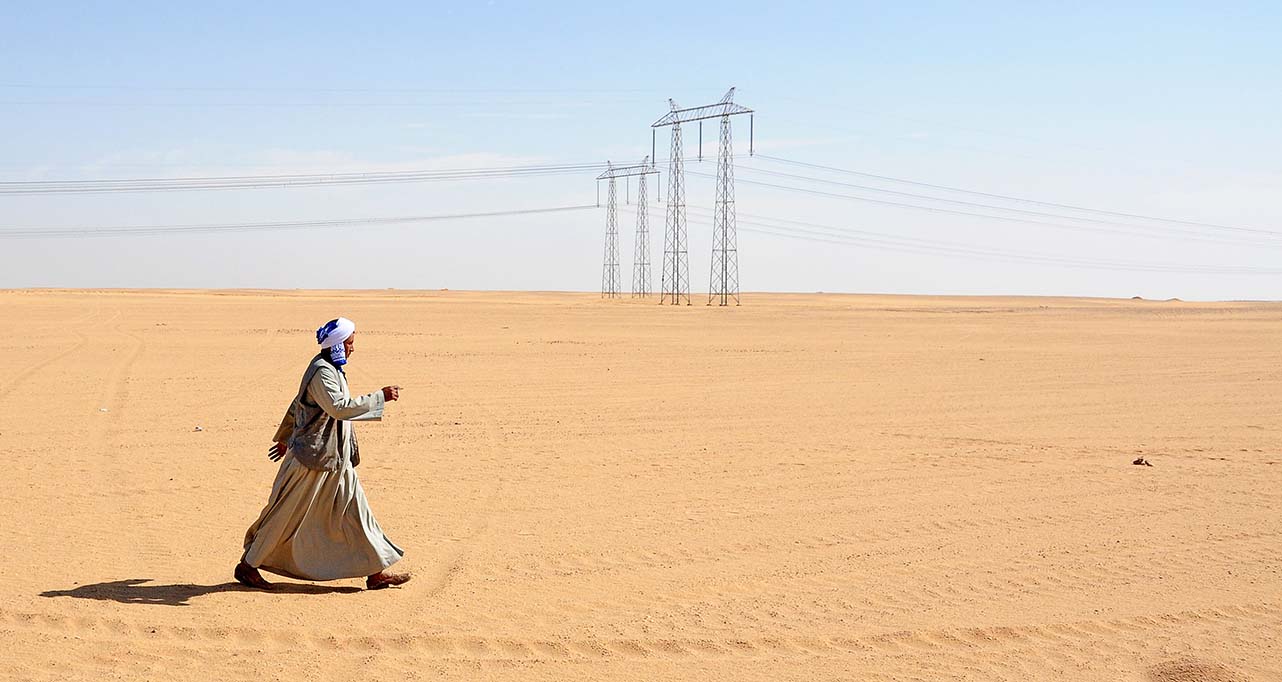
Agriculture is a vital sector in Egypt, yet it faces mounting pressures from climate change. These heighten the sector’s vulnerabilities and underscore the urgent need for modernisation. Meanwhile, digital technologies have the potential to reduce greenhouse gas emissions, improve soil and crop monitoring, and support more efficient production.
In addition, local banks often lack incentives to finance sustainable investments, and SMEs are discouraged from adopting sustainable practices due to high upfront costs, operational changes and delayed payments.
To help address these challenges, the EBRD’s Sustainable Agriculture Pilot Programme will support Egyptian agribusinesses in adopting innovative and sustainable technologies that boost efficiency, strengthen environmental practices and promote solutions that preserve biodiversity while building resilience to climate-related disruption.
Under the programme, the EBRD will channel financing to agribusinesses through local financial institutions, supporting their investments in sustainable technologies. The financing will be complemented by a dedicated technical assistance package to help guide implementation and ensure that all projects meet the programme’s mitigation, adaptation and environmental-eligibility criteria. In addition, the pilot will encourage uptake among potential borrowers by offering financial incentives, payable on successful completion and verification of projects that deliver environmental benefits.
The programme supports the Bank’s country strategy in Egypt, which aims to enhance competitiveness and the transition towards a green economy by supporting the growth and resilience of SMEs.
The Sustainable Agriculture Pilot Programme also aligns with Italy’s Mattei Plan, a strategic platform aimed at strengthening partnerships between Italy and countries it prioritises in northern and sub-Saharan Africa, with a focus on supporting sustainable development, climate resilience, and investment in agricultural technology. By integrating these priorities into the programme, the EBRD contributes to shared objectives of enhancing food security, increasing employment and bolstering economic resilience in Egypt.
The contribution agreement was signed today at the Italian Embassy in Cairo by Matteo Patrone, EBRD Vice President, Banking, and Agostino Palese, Ambassador of Italy to Egypt.
Matteo Patrone said: “SMEs play a crucial role in Egypt’s economy, driving innovation, productivity and job creation. Thanks to Italy’s generous contribution, we are able to deliver on our commitment to fostering resilience and sustainable growth across Egypt’s agricultural sector, bringing better financing solutions and modern technologies to SMEs. This new initiative will also strengthen the capacity of local banks to better serve agribusinesses and foster a greener, more competitive agricultural sector.”
H.E. Ambassador Agostino Palese said: “The initiative that we are supporting today with an Italian contribution of €5 million is an important component in the work we are doing to support the Egyptian private sector with a focus on sustainable agriculture, and is fully aligned with the spirit of the Mattei Plan for Africa, grounded in a virtuous model of cooperative collaboration with our African partners.”
Egypt is a founding member of the EBRD. Since the start of its operations there in 2012, the Bank has invested more than €13.8 billion in 209 projects across the country.