Search
Search
Who we are
Overview: about the EBRDWho we are
Overview: about the EBRD
Learn about the EBRD's journey to investing more than €220 billion in over 7,800 projects.
What we do
Overview: how the EBRD operatesWhat we do
Overview: how the EBRD operates
Across three continents, the EBRD supports the transition to successful market economies.
Work with us
Overview: how you can work with the EBRDWork with us
Overview: how you can work with the EBRD
We draw on three decades of regional knowledge and financial expertise to tailor our products and approaches to each client's needs.

 Eng
Eng
 Eng
Eng
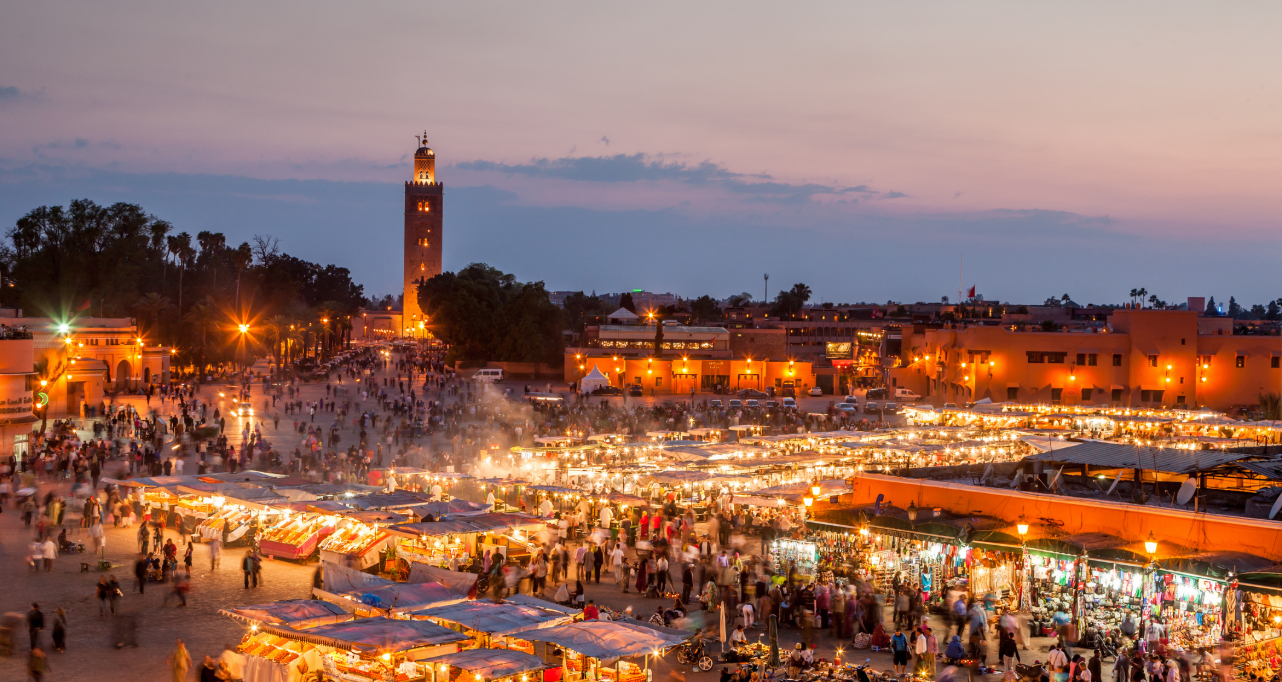
The EBRD’s First Vice President, Greg Guyett, and its Vice President for Banking, Matteo Patrone, are visiting Morocco from 11 to 12 December to meet senior government officials and clients from the public and private sectors.
During their visit to Casablanca, they will meet with the Minister of Economy and Finance and EBRD Governor, Nadia Fettah. The discussions will focus on enhancing private-sector support in Morocco, accelerating the transition to a green economy and driving investments in key infrastructure.
The EBRD delegation will also meet representatives of local public and private companies, including clients in Morocco’s banking sector, and will sign agreements on a number of new investments.
Mr Guyett said: “I am delighted to make my first visit to Morocco as EBRD First Vice President and meet our public- and private-sector clients. It’s an excellent opportunity to deepen our cooperation and explore new opportunities. The EBRD will support Morocco’s development priorities by investing in the energy transition, expanding access to finance for SMEs, supporting the innovation economy and strengthening private-sector competitiveness.”
The First Vice President and the Vice President for Banking will be joined by Mark Davis, the EBRD’s Managing Director for the Southern and Eastern Mediterranean, and Haytham Eissa, the EBRD’s Head of Morocco.
The EBRD is a leading institutional investor in Morocco, having invested almost €5.9 billion across 125 projects to date. The Bank has also mobilised €312 million of funding from other parties in 2025. The Bank started investing in the country in 2012, with a focus on fostering sustainable energy, promoting infrastructure reform, and supporting the direct and indirect financing of private enterprises, with 69 per cent of the EBRD’s funding going to the private sector.