Read our Cookie policy here.
Search
Search
Who we are
Overview: about the EBRDWho we are
Overview: about the EBRD
Learn about the EBRD's journey to investing more than €220 billion in over 7,800 projects.
What we do
Overview: how the EBRD operatesWhat we do
Overview: how the EBRD operates
Across three continents, the EBRD supports the transition to successful market economies.
Work with us
Overview: how you can work with the EBRDWork with us
Overview: how you can work with the EBRD
We draw on three decades of regional knowledge and financial expertise to tailor our products and approaches to each client's needs.

 Eng
Eng
 Eng
Eng
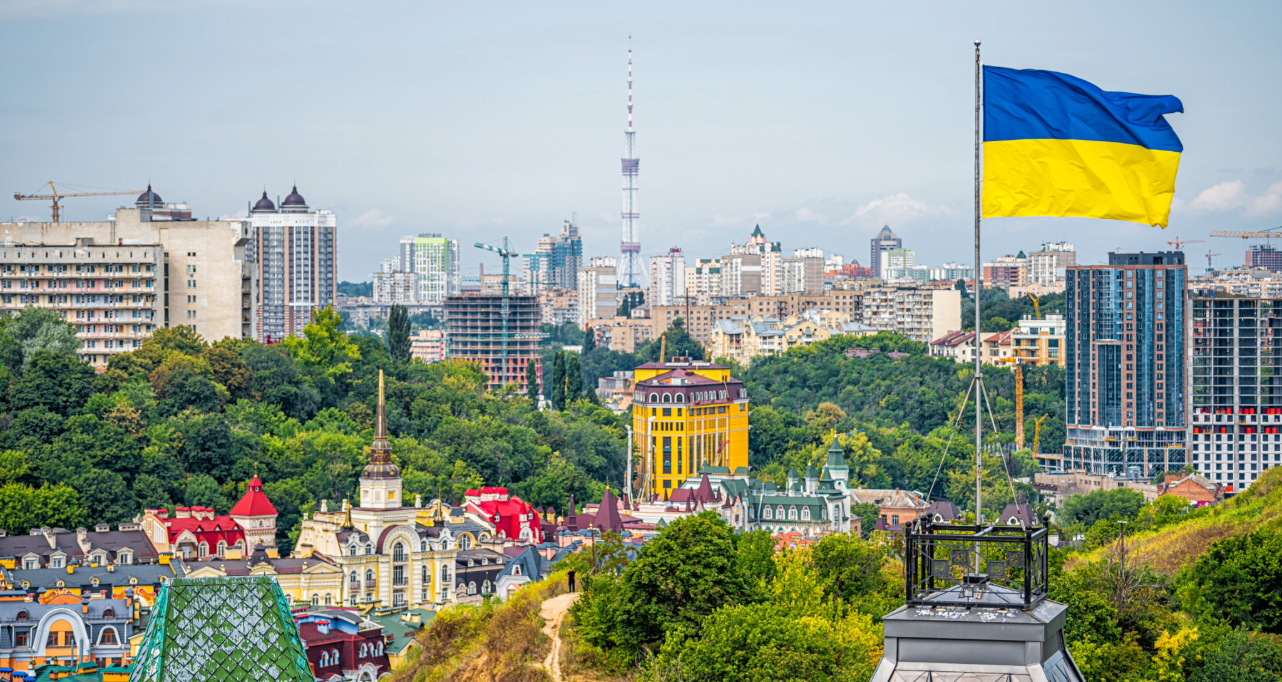
Following Russia’s full-scale invasion of Ukraine in 2022, which prompted the biggest displacement of people in Europe since World War II, in 2023, the EBRD launched a new initiative to support the economic integration of Ukrainian refugees in Croatia.
The project builds on previous initiatives by EBRD retail and food-industry clients in Croatia, offering employment assistance to Ukrainian refugees, most of whom are women.
The initiative is a win-win – benefiting both displaced Ukrainians and the Croatian economy by filling vacancies in the retail, hospitality and information technology (IT) sectors. This project is supported by the TaiwanBusiness-EBRD Technical Cooperation Fund.
The project was delivered by two CSOs – the SVOJA Association and the SOLIDARNA Foundation – showing how civil society can and should be key to tackling complex community challenges.
The initiative provided capacity-building assistance to the SVOJA Association, a Croatia-based organisation established by Ukrainian women refugees. This small investment has helped SVOJA to assist thousands of Ukrainian refugee job-seekers. A small investment today can yield far-reaching results tomorrow.
The project’s success is down to close partnerships with the private sector. More than 80 Croatian private-sector companies and associations engaged in promoting employment and self-employment opportunities for Ukrainian refugees across Croatia. This private sector-civil society collaboration proved instrumental for local communities.
500+
Ukrainians secured jobs in Croatia
4,000+
Ukrainians benefited from direct employment and self-employment support
Cookie consent
Cookies are pieces of code used to track website usage and give audiences the best possible experience. Use the buttons to confirm whether you agree with default cookie settings when using ebrd.com.
Read our Cookie policy here.
These cookies cannot be disabled. They are essential for core functionality in ebrd.com to ensure a seamless and secure experience.
We use Adobe Analytics cookies to measure usage of the website in order to improve it and respond to end user actions. We review anonymised data on how people reach the site, where they click and so forth. Learn more here about specifics of our cookie use.
We use Adobe marketing cookies to enable us to customise ebrd.com to tailor the website and email marketing services based on the interests of each end user.