
Read our Cookie policy here.
Search
Search

 Eng
Eng
 Eng
Eng
Have you ever heard the expression ‘corporate imperative’? I first heard it in late 1993. The EBRD was going through its first major reorganisation leading to the creation of the first generation of country teams. I was called into the President’s office and told that I should prepare myself to head the country team for Romania, Moldova and Croatia. As described in the previous episode, our urban infrastructure team was really getting off the ground and I tried to continue working in that remit, but the ‘corporate imperative’ was to accept the new position.
At the time, there were very few ROs and country teams were mostly based in London with an intense travel schedule to develop our relationships and business in each country. The first set of ‘ambassadorial’ local representatives were being replaced by more transactional staff and in many countries the Bank was still pretty unknown. Croatia was emerging from war and relationships were being established with the newly independent country. And, in the case of Moldova, I had a most difficult introductory meeting with the Governor of the Central Bank. Upon entering his office, he said straight off the bat: “I welcome you in my country because Moldovans have a tradition of hospitality, but I regret to tell you that our investment in the capital of the EBRD was the worst investment of our young republic to date because the only returns we have had until now have been words, words and more words.” Hmm, a great start to building a new relationship…
Now sometime in late 1994, my Croatian counterparts mentioned that if the opportunity occurred, it would be very meaningful if the EBRD could go to Bosnia and Herzegovina to explain what the dividend of peace could be. The conflict had been raging with the horrors that have become unfortunately all too well known. It did not seem possible to go there to give this explanation. Then, in the early spring of 1995, there was a cease-fire with a fragile window of opportunity to go to Sarajevo.
The story below was told last year ahead of our Annual Meeting in Sarajevo. But, as it was the most difficult business trip made during my EBRD years it deserves to be recounted in the context of the ‘Getting to 30’ series.
Upon seeing this opportunity to travel to Sarajevo, contact was made with the authorities there and with the UN that provided air transport. I also had to check with the President that it was ok to do this trip given the inherent risks involved. As the Bank’s Health and Safety function was not yet very developed, the decision to incur those risks was essentially, left to me. Reading about the horrors of the Bosnian conflict, I thought that it was important to do the utmost to contribute to a peaceful resolution; and explaining the potential dividends of peace which the EBRD could provide seemed like a relevant contribution to sustain the cease-fire, leading to a negotiated agreement.
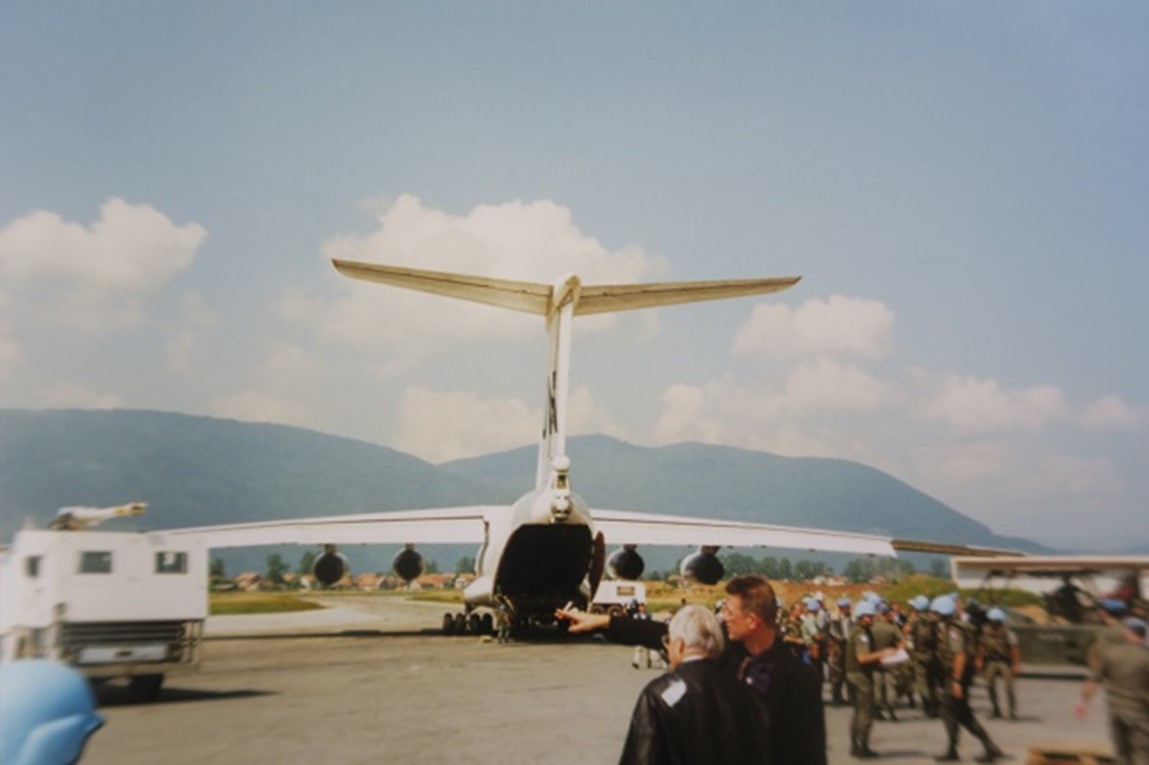
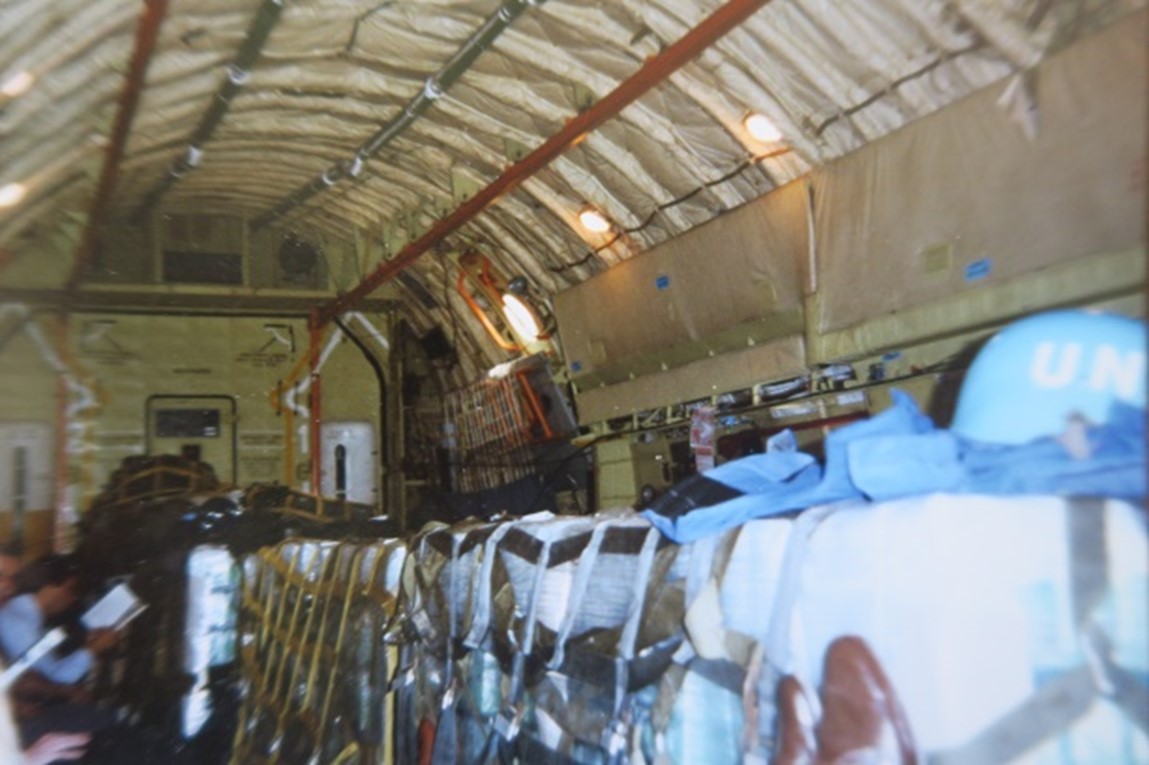
So I left for Sarajevo. Upon arriving at Pleso airport in Zagreb, I turned left to the military base where one ‘checked-in’ for the flight on to Sarajevo. Most passengers were military personnel and the airplane was a Ukrainian air force cargo plane. The entrance was through a large cargo bay in the back and passengers sat on benches along the fuselage. During the flight, I was trying to figure out what was being carried in the centre of the airplane, and realised it was food. Pasta and dehydrated milk to supply Sarajevo under siege. As the plane started to descend, fellow passengers opened their backpacks and put their helmets and flack jackets on. In my business suit and tie, I felt slightly underdressed…
I’d been told before departure that I would be received by the central bank at the airport. However, upon arrival on the tarmac with sandbags and military installations all around (there was no open terminal), I noted with concern that no one was there to receive me. I waited for a while but to no avail. What to do? I then noted that the airport seemed to be managed by French troops. Passport in hand, I ended up in front of a French colonel asking if he could help me get to the centre of town. This is how I ended up entering Sarajevo in an armoured personnel carrier looking at the demolished city through the narrow gun slits. A painful and unforgettable sight.
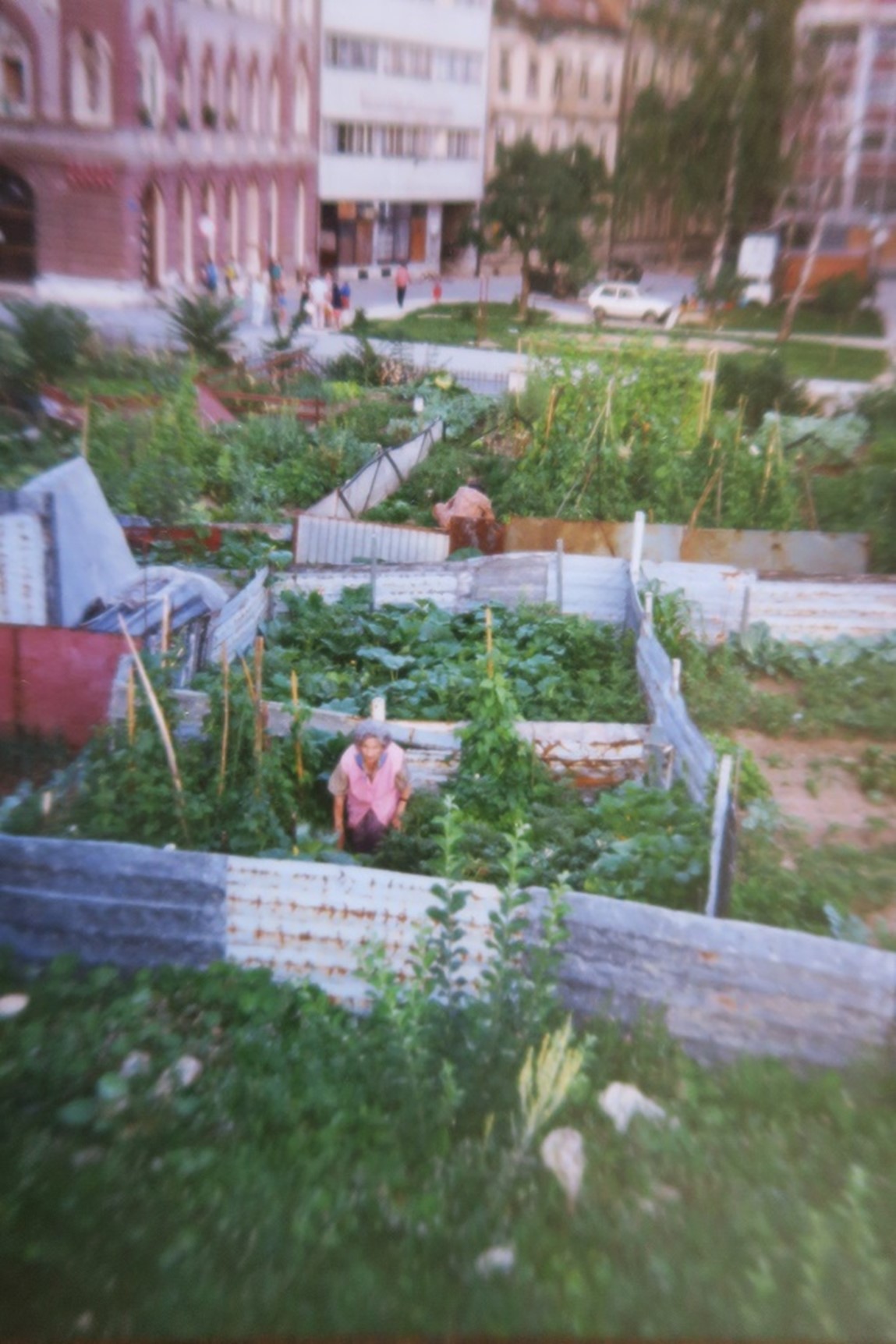
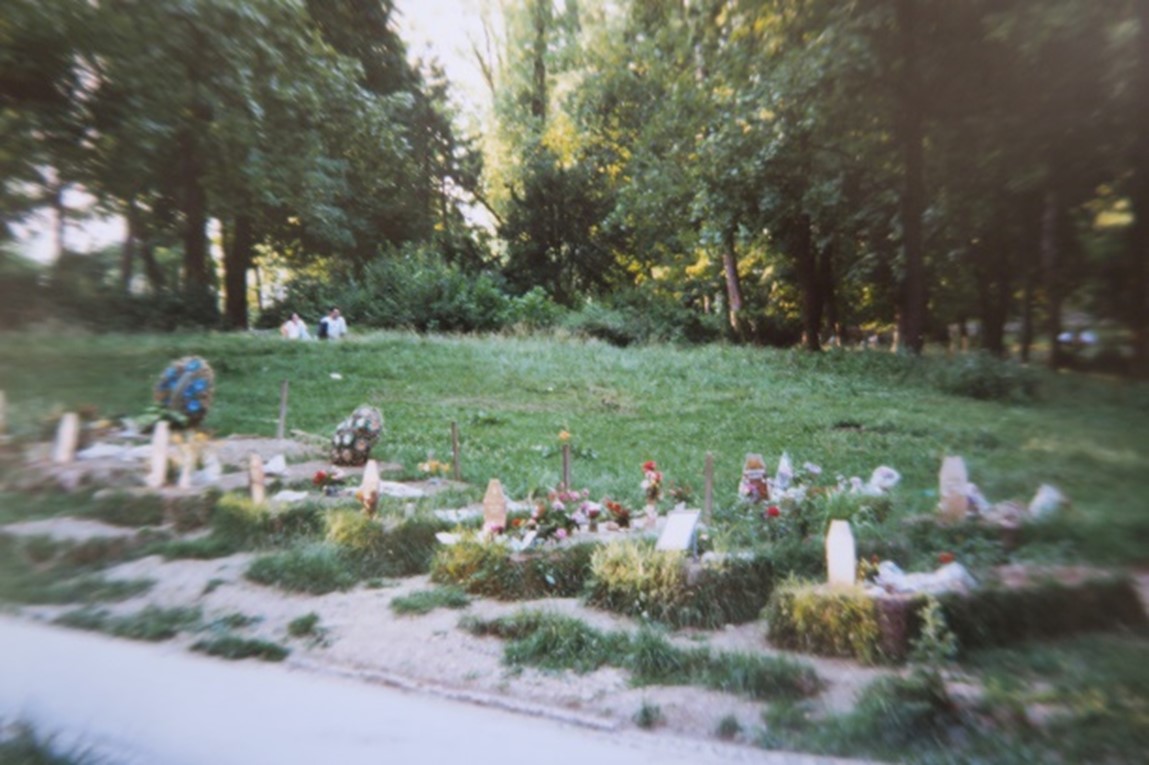
I was dropped off in front of the famous Holiday Inn and assigned a room located next to the CNN ‘studio’. All night I could hear communications from next door interspersed with sporadic gunshots in the hills surrounding the city. Being in Sarajevo at that time made me realise how a beautiful landscape can become hellish in conflict. Sarajevo is nestled amidst beautiful hills and mountains. But when heavy artillery shells the city from these hills and mountains, beauty becomes hell.
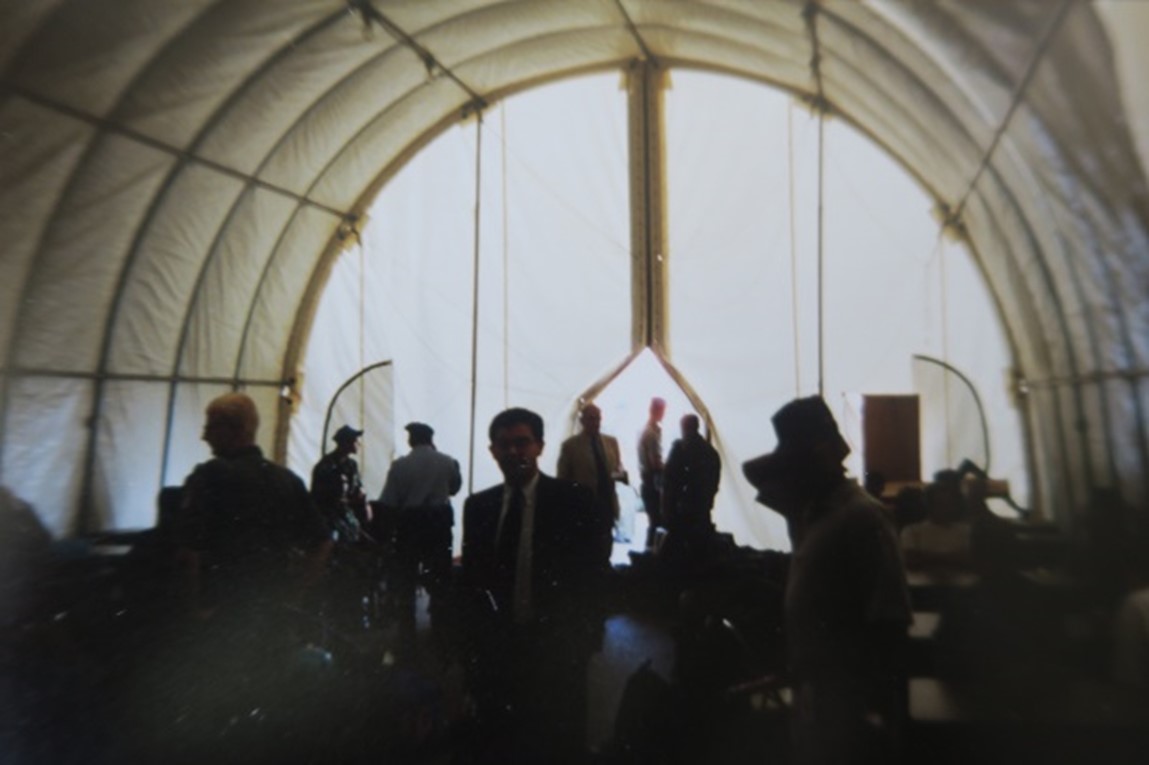
My explanation of what the EBRD could do once peace arrived, was delivered in the central bank to the governor and minister of finance of the fledgling federation and their staff. At the end of the meeting, the minister asked if he could see me personally in the hotel. We had dinner together and through the conversation I heard a searing account of what was happening in the country, of the depth and complexity of the conflict, of the seemingly impossible issues which needed to be resolved and of the personal impact of the situation. The minister had sent his wife and children to safety in Croatia and had not seen them since their departure.
Unfortunately, a few months later on 28 August 1995, five mortar shells fell on the Markale market in the old town of Sarajevo killing 43 people and wounding 75 others. It took several painful months to eventually get to the Dayton Agreement, ending the war and defining a general framework for peace in Bosnia and Herzegovina.
This set the base for the Bank to initiate discussions on Bosnia and Herzegovina becoming a country of operations, to address complex local challenges and to derive the benefits from peace. More on this in the next episode.
Josué Tanaka | Visiting Senior Fellow at the Overseas Development Institute
Former EBRD Managing Director, Energy Efficiency and Climate Change, Operational Strategy and Planning
Select an image to expand
Select an image to expand