
Read our Cookie policy here.
Search
Search

 Eng
Eng
 Eng
Eng
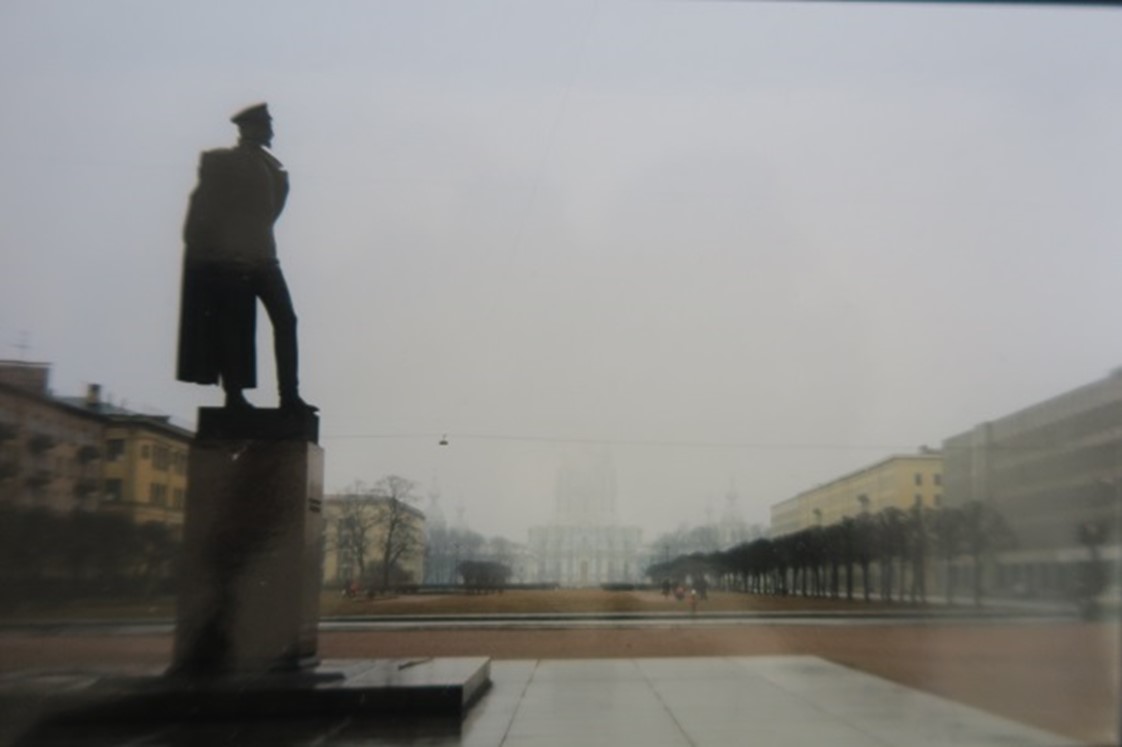
The year is 1992. It is my first trip to the new Russia and the city of Saint Petersburg. The Soviet Union had collapsed just a few months earlier. I was genuinely excited to be there as this felt very much like arriving in ‘terra incognita’. Growing up in Paris in the 1960’s and 1970’s, the Soviet Union felt very far away. The ‘iron curtain’, the ‘cold war’ and ‘the Soviet Bloc’ were all realities of those times. My knowledge of Saint Petersburg was limited to images of Peter the Great building the city with conscripted peasants, and images of the 1917 Russian Revolution from Eisenstein’s movie, October.
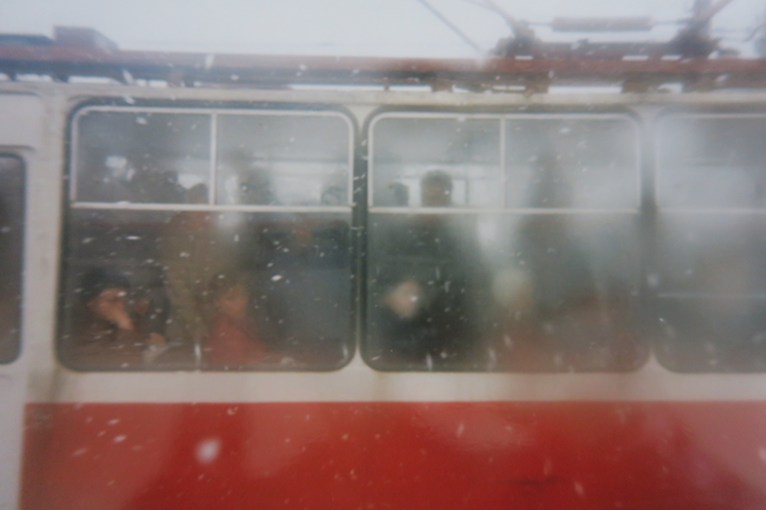
I was staying in a grand old hotel in the historical centre, which had seen better days. It had large corridors with sour looking ladies checking movements of rare guests on every floor. I went out that first evening to get a feel for the city. The main part of the centre was impressive, beautifully set out in the winter snow. However, the side streets were very dark and gloomy, and I suddenly realised how much light is produced by illuminated shop windows in western cities. There were almost no cars in the streets, as trolleybuses trundled through the city, packed with passengers riding in darkness too, as lights inside the buses were very weak. This first impression of darkness amidst the snow remained in my mind as a memory of the early days of transition.
A few months later I returned to Saint Petersburg for a business development trip on the municipal and environmental infrastructure front. My objective was to sign an agreement with Mayor Sobchak with the Bank providing Technical Cooperation (TC) for a competitive tender for the concession of the water network and services. As I sat in the semi deserted palatial breakfast room, I started to see familiar faces sitting at different tables and looking at each other. Two groups were from large French water companies, and the other one was a British one. Talking to each individual group at their table, I learnt that each of them was there that day to sign an ‘exclusive’ agreement with the City. I guess our TC was just going to be another signature and was probably not going to provide a strong base for competitive tendering…
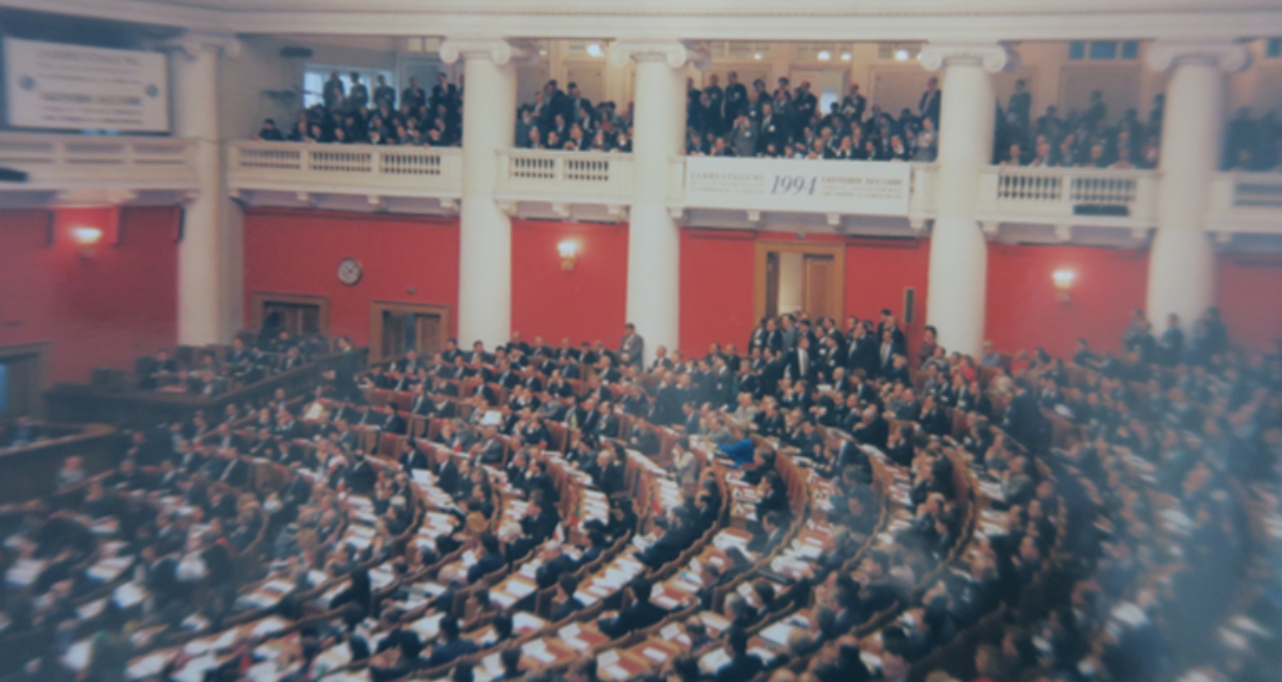
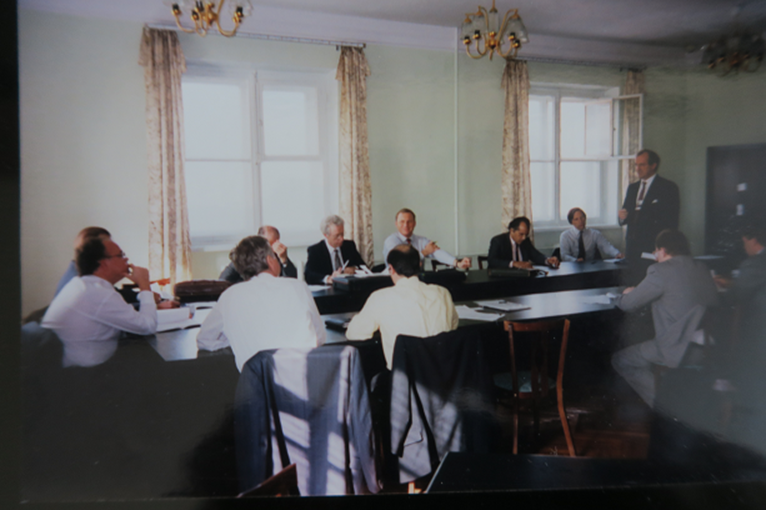
In 1994, our third Annual Meeting was held in Saint Petersburg. Jacques de Larosière had become the second President of the EBRD, and had been working hard to drive the recovery of the Bank from its ‘marble troubles’. A major item on the agenda was the adoption of the EBRD Medium Term Operational Priorities. This was one of the first measures taken by President de Larosière to focus the activity of the EBRD. Our early years may have been very exciting, with a broad range of ideas such as debt for nuclear swaps, looking at how the EBRD could finance housing for 150,000 soldiers and their families returning from the Baltic states; or setting up a European Cultural Agency to support the Czech film animation industry and develop the Hermitage Museum in Saint Petersburg. But the perception was that the bank was spreading itself thin. The recently appointed Chief Economist Nick Stern led a task force to define the focus of the Bank’s activity, which I was invited to join. After an intensive few months, the document was ready for the approval of the Board of Governors. This was a major step for the Bank setting the foundation for our first capital increase. These priorities are still relevant today, over a quarter of a century later.
In that early period, the number of officials in country delegations may not have been far off the number of staff in the Bank. In the run up to the official opening of the Annual Meeting, I was invited by a delegation (which shall remain unnamed) to an elegant dinner including Russian officials from the city and from the central government. Once we got to the toasts, the host completed his elegant speech by raising his glass ‘to the great people of Leningrad.’ Oops, one historical cycle behind.
In contrast, the next day when I walked into the plenary room where the Annual Meeting was taking place, Larry Summers, then Under Secretary of the US Treasury for International Affairs, was speaking. And his speech was definitely ahead of the times as he argued with vigour that it was time for the EBRD to start thinking about its own privatisation. In this case, a few historical cycles ahead.
These were turbulent times in Russia: huge expectations, seismic shifts, mass privatisation schemes, and frequent ministerial changes. I once received a letter signed by a minister requesting TC support for sector reform in the municipal finance area. To discuss implementation arrangements, I was asked to meet the vice-minister who had been in the same position from Soviet days and had seen many ministers come and go. He asked to see the letter, read it, looked at me and then proceeded to rip it and throw it in the bin. So much for reform.
Josué Tanaka | Visiting Senior Fellow at the Overseas Development Institute
Former EBRD Managing Director, Energy Efficiency and Climate Change, Operational Strategy
and Planning
Select an image to expand
Select an image to expand