
Read our Cookie policy here.
Search
Search

 Eng
Eng
 Eng
Eng
Having covered pioneering activities in our countries of operations in previous episodes, it is time to tell one of the most important stories of all: the development of our climate and green finance activity.
It all started at an Executive Committee meeting sometime in the summer of 2005. President Jean Lemierre mentioned that the communiqué of the recently concluded G8 meeting in Gleneagles called upon the MDBs to step up their financing of clean energy, reflecting rising concerns of climate change amongst world leaders. This begged the question,how should the EBRD respond?
At the time of the G8, I was absorbed in corporate strategy, planning and finance matters, but this question went into my brain. One night around 23:00 on 30 September 2005 (I still remember that light bulb moment) I had the idea: why not create a specific initiative focused on climate action at the EBRD? Why not use the practical operational knowledge acquired over my years at the Bank to develop this horizontal activity involving all sectors and all countries. With this lightning bolt, I wrote a 4-page note describing the idea until about 4:00 am.
President Lumière had an open door to staff at 7:30 the next morning. Bleary eyed from a rather short night’s sleep, I went to see him and explained the idea with my remaining energy. He looked out the window to Exchange Square, thought for a while and then replied that this was an idea worth pursuing, all the more that I was not asking any additional budget for it. I stood up to leave his office, thinking that while this was not a ringing endorsement, at least the answer had not been negative. As I touched the door handle, he called me back to his desk saying: “One more point: as the Annual Meeting is coming up in a few months, why don’t you develop your idea and make it a theme for this meeting?” Now that’s an endorsement
Then, immediately, came the challenge. Like many, I only had a general understanding of the rising climate change issue. Knowledge had to be built up, and fast. For weeks, I almost ‘slept under my desk’ in the office, reading, consulting and thinking. One of my readings was a scientific article written by two Princeton professors (coincidentally where I had studied as an undergraduate). This article decomposed climate action in a set of climate stabilisation ‘wedges’, each capable of reducing hundreds of millions of tons of CO2 with existing technologies. These included, for example, energy efficiency, wind and solar energy, biomass fuels and natural sinks. Great! Here was the conceptual framework which would serve to structure our initial Sustainable Energy Initiative (code name SEI) which was formulated in time to be included in the new medium term strategy of the Bank for 2006-2010 (code name CRR3). The EBRD’s climate action was launched as the Bank turned 15.
We were not starting from scratch. In fact, the Bank had been a pioneer in establishing a specialised energy efficiency team as early as 1994. This reflected a huge opportunity to decrease the very high energy intensity of the economies in our countries of operations. This team introduced the energy audits, sought to develop ESCOs (energy saving companies) and worked on some of the first renewable energy projects. This provided the base to build what is today’s Energy Efficiency and Climate Change team, better known by its Star Wars like acronym of E2C2.
Often the most difficult decisions need to be taken right at the start when one does not yet have full knowledge of a situation. In this case, the quandary was whether the newly titled team ought to continue leading transactions. My instinct was that if the Bank’s goal was to really scale up climate finance, then this had to be an activity involving all teams of the Bank and not just a single green team. Following this instinct, colleagues in the team who wished to continue leading transactions were ‘given’ to sector teams reflecting their interest. Early on, the new E2C2 team almost disappeared with some colleagues thinking that I was going senile, as ‘giving’ positions in a bureaucracy is often perceived as the start of lunacy. Well in this case it was the right thing to do as E2C2 was rebuilt as the centre of specialised climate action knowledge, working with teams across the Bank. What followed is a good story.
It is worth noting that this was a period of high activity on the global climate front. The seminal Stern Review on the Economics of Climate Change highlighted the benefits of strong and early action on climate change. The G8 was tracking the response of the MDBs to its call, and we had to work hard to provide a report on MDB clean energy finance for the following G8 in Tōyako, Japan. Accordingly, MDBs started to work closely together on the climate front and this continues in an active mode to this day. A range of initiatives were taken at global, regional and country levels including the development of active carbon markets.
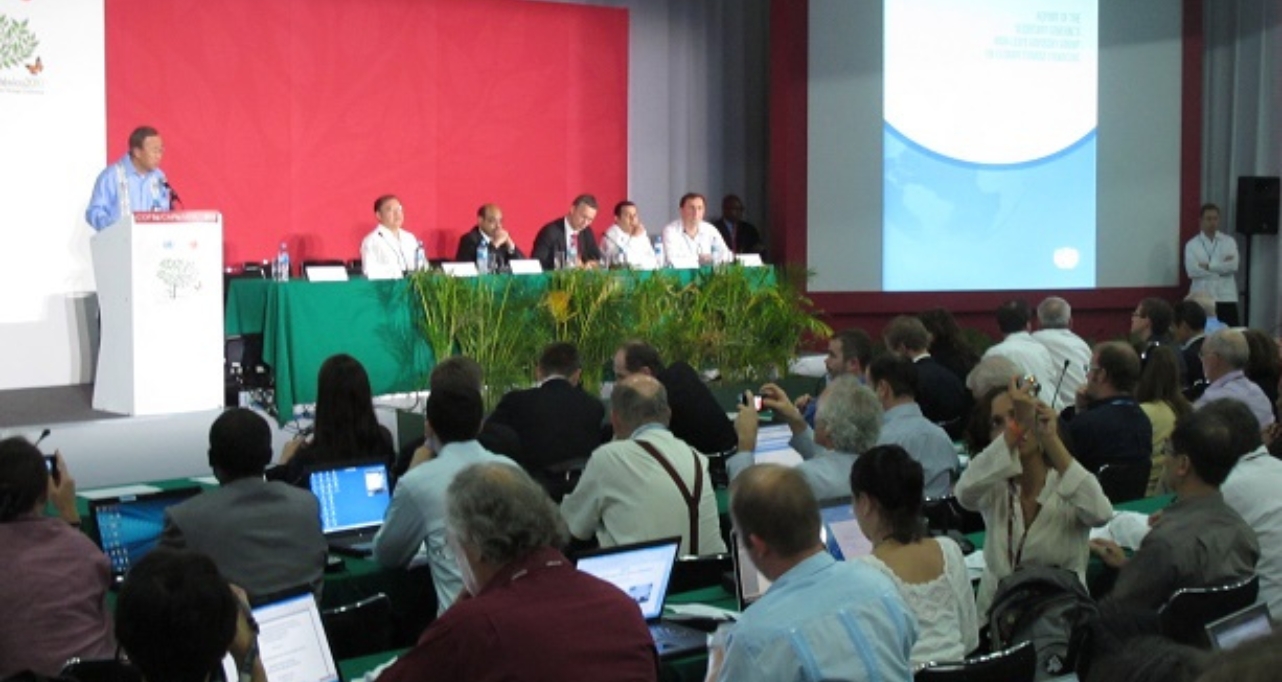
The Bank also started to participate actively in the global UNFCCC (UN Framework Convention on Climate Change) Conference of Parties (code name COP), an annual event bringing together all countries party to the convention, international organisations, CSOs, financial institutions, industry and press. The first COP I should have attended was COP13 in Bali. On the flight there, I was sitting next to the Environment Commissioner of the European Union. When we arrived, I went down the stairs of the plane and was surprised to be received with flower garlands and the full VIP treatment. About 15 minutes in the reception salon, a lovely Balinese lady apologised and asked if I could return the flower garlands. I had been mistakenly identified as the EU Commissioner. Following an active participation at the first meeting of Ministers of Finance on climate change, I went to the COP13 conference. It turned out that I could not enter because the registration had not been properly done. With the UN security leaving no room for negotiations, we made sure this error never happened again.
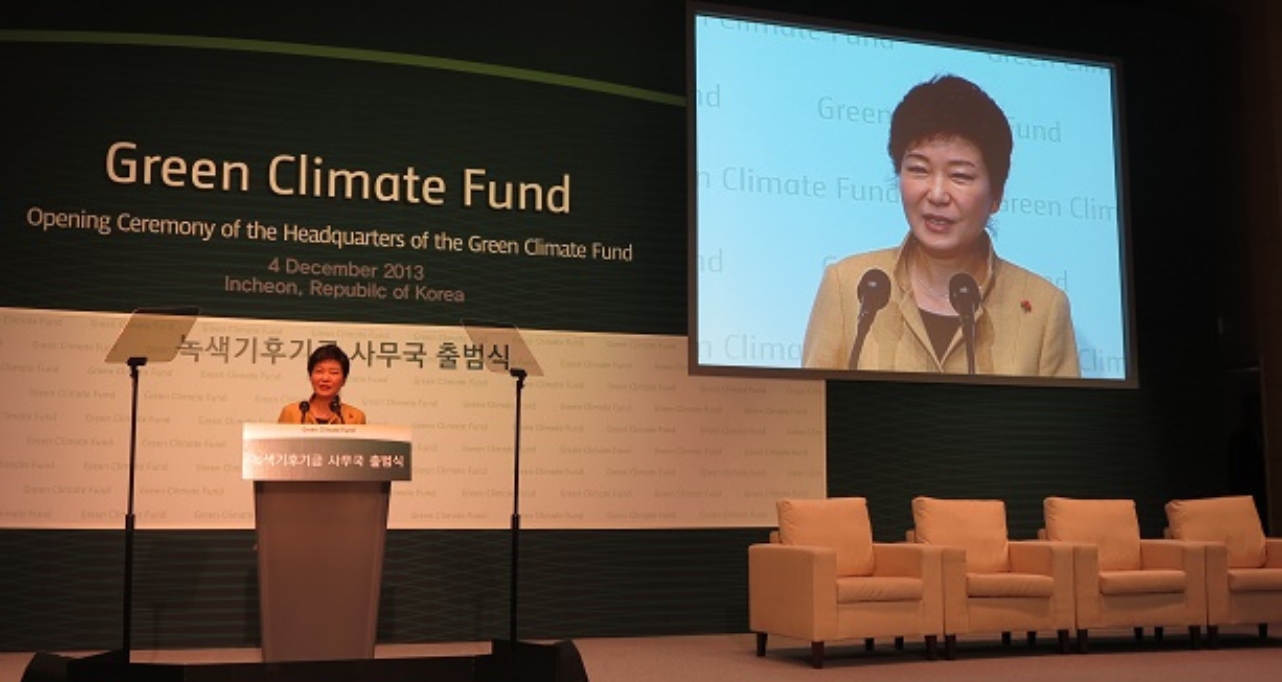
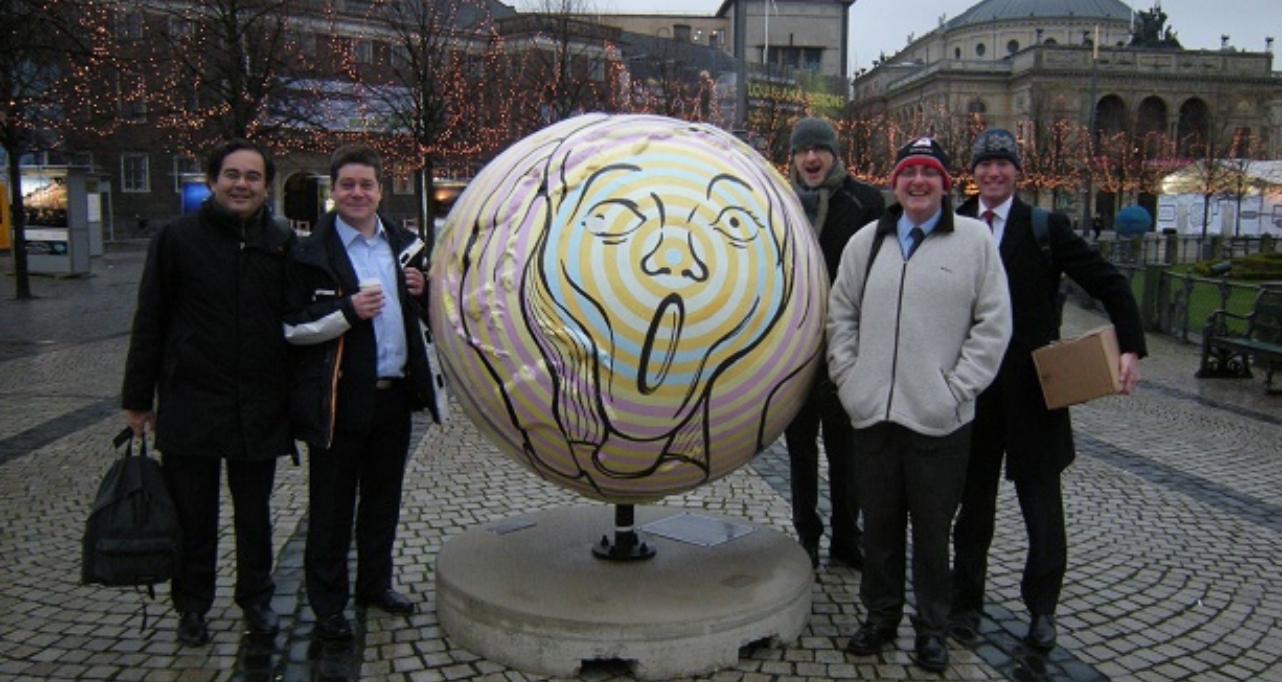
COPs could generate very different feelings. For example, COP15 in cold Copenhagen raised major expectations. A global agreement was being pursued but in the end, in spite of global leaders spending all nighters to find common ground, no agreement was reached. This was a major disappointment. The next COP was led by Mexico. In this case, expectations were managed down and in the end it turned out that sunny COP16 was considered a success, with the Cancun Agreements including the decision to create the Green Climate Fund.
Reflecting Nick Stern’s observation that climate change is the reflection of the greatest and widest-ranging market failure ever seen, and in the absence of strong and stable climate policies such as a relevant carbon price and the removal of subsidies to fossil fuels, concessional funding remains important to scale-up climate action. In this context, it was meaningful to contribute to the creation of both the Climate Investment Funds and later on of the Green Climate Fund. As the Bank’s track record of delivery developed, our insights and experience became increasingly appreciated in the process of developing these funds which remain the major multilateral funds supporting climate action today.
Being the hard working and determined Bank that we are, the scope and ambition of our climate strategies expanded over the years, moving from SEI Phase 1 to SEI Phase 2, and then from SEI Phase 3 to the Sustainable Resource Initiative in 2013. With this EBRD climate finance quadrupled from €748 million in 2006 to €3.0 billion in 2014 with the share of total EBRD investment more than doubling from 15% to 34%. Good for the Bank, good for the planet.
With these achievements in hand, where did we set our sights for the next steps of our climate and green action.
Josué Tanaka | Visiting Senior Fellow at the Overseas Development Institute
Former EBRD Managing Director, Energy Efficiency and Climate Change, Operational Strategy
and Planning
Select an image to expand
Select an image to expand