
Read our Cookie policy here.
Search
Search

 Eng
Eng
 Eng
Eng
In Serbia, coal has long been king, accounting for about 60 per cent of electricity generation in 2025, while the renewables market has been relatively weak. Early feed-in tariff projects from 2016 stalled without competitive auction frameworks. Legislation to support the implementation of renewable projects in line with European Union (EU) practices – in particular through competitive bidding processes such as auctions – was missing. Moreover, the authorities lacked experience in running auctions that could procure capacity at scale. Without addressing these constraints, Serbia risked falling short of its decarbonisation goals and limiting opportunities for private-sector participation in the energy transition.
To help advance Serbia’s energy transition, the EBRD engaged in policy dialogue, provided advisory support and built institutional capacity, particularly in the Ministry of Mining and Energy. It helped to draft the 2021 Renewable Energy Law and subsequent amendments in 2023 to accelerate renewables integration while protecting grid stability. The Bank also designed the country’s first competitive auctions, preparing documentation, evaluation procedures and a contract-for-difference (CfD) scheme to reduce price risk for investors.
These reforms have quickly delivered results. Serbia adopted a plan to auction 1,300 MW of renewables by 2025, and the first two auctions in 2023 and 2024 allocated nearly 1,300 MW of wind and solar projects, effectively doubling renewable capacity. Early successes included the 95 MW Pupin wind farm (€123 million, co-financed by the EBRD and Erste Bank), the 150 MW Čibuk 2 wind farm (€239 million, privately financed, see image below) and four smaller solar projects (25 MW) backed by commercial banks. All projects from the second auction round have now reached commercial close, underscoring growing investor confidence and mobilisation of private capital.
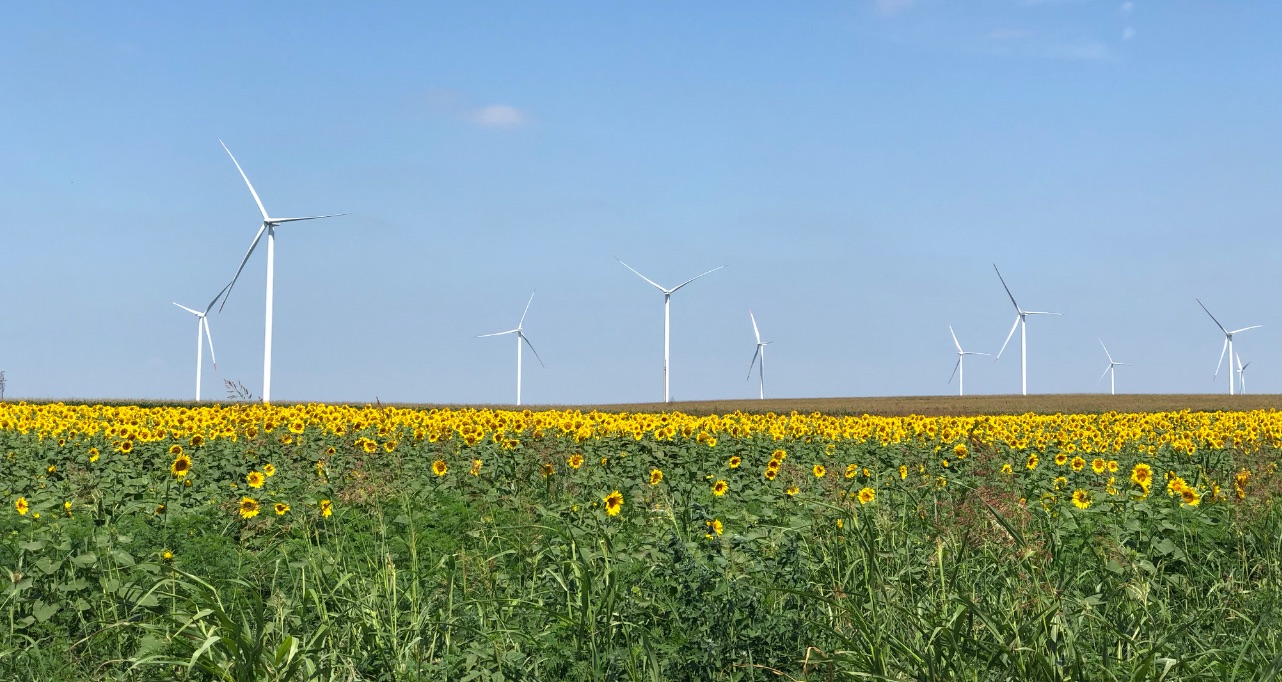
The Čibuk 2 wind farm is one of many privately financed projects to be developed following EBRD-supported reforms to energy regulations
The reforms and first-mover projects in Serbia have generated a ripple effect beyond the immediate auction rounds. By introducing competitive, CfD-backed renewable energy auctions, Serbia created a replicable and transparent procurement model that has set new benchmarks for cost competitiveness. The entry of major international developers such as Enlight, Masdar and Taaleri has altered the competitive landscape, increasing diversity and capability in the market.
Institutional capacity within the Ministry of Mining and Energy is now stronger, enabling it to run future auctions with less external support. Legislative changes have also created a more predictable and bankable environment for renewables, embedding the auction framework into Serbia’s national energy strategy.
These reforms and demonstrated successes are influencing broader market liberalisation in the electricity sector, while knowledge sharing and skills gained through the process are starting to permeate both the public and private sectors. As a result, Serbia is now positioned to not only scale up renewables but also to sustain private-sector participation in the long term.
| EBRD’s contribution | Market dynamics | Systemic change |
|---|---|---|
|
|
|
Serbia’s renewable auctions were successful owing to the government’s strong commitment to EU-aligned transition goals, regulatory reforms and the CfD scheme, which together created momentum and attracted large-scale private investment. Transparent, well-tailored auction design built investor trust, with the Ministry of Mining and Energy leading as both policymaker and auctioneer, and reputable developers and lenders ensuring bankable projects.
Beyond auctions, the EBRD provided a €300 million liquidity package to Elektroprivreda Srbije (EPS) during the 2022 energy crisis, reinforcing cooperation and building momentum for reform.
The main lesson learned is that to successfully deploy renewable energy in emerging markets, an integrated approach is required, comprising regulatory reform, predictable investment signals, balanced risk allocation and capacity building. Serbia’s experience shows that well-designed first-mover auctions can act as a catalyst for systemic change, set cost benchmarks and embed replicable procurement models for sustained market growth.