Priority 1
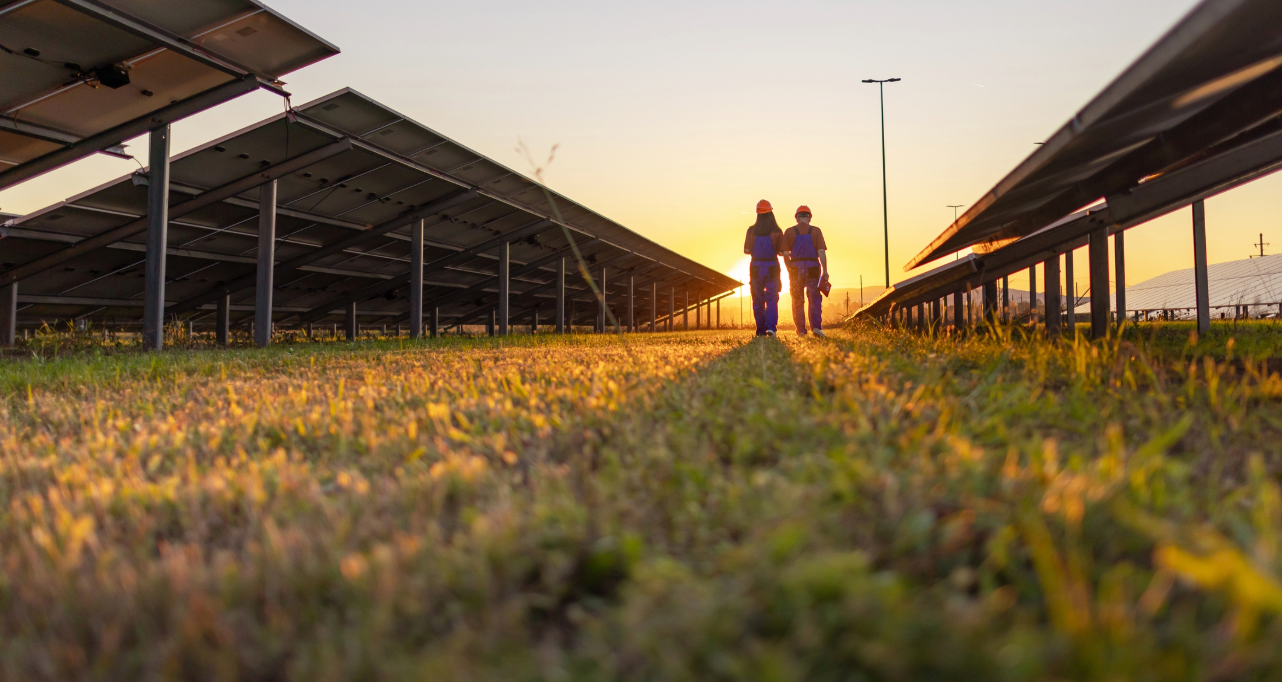
Helping the private sector to power Serbia’s renewables rollout
The EBRD has provided Serbia with a comprehensive package of policy engagement, advisory support, and capacity building, particularly to the Ministry of Mining and Energy.
Who we are
Overview: about the EBRDWho we are
Overview: about the EBRD
Learn about the EBRD's journey to investing more than €220 billion in over 7,800 projects.
What we do
Overview: how the EBRD operatesWhat we do
Overview: how the EBRD operates
Across three continents, the EBRD supports the transition to successful market economies.
Work with us
Overview: how you can work with the EBRDWork with us
Overview: how you can work with the EBRD
We draw on three decades of regional knowledge and financial expertise to tailor our products and approaches to each client's needs.

 Eng
Eng
 Eng
Eng
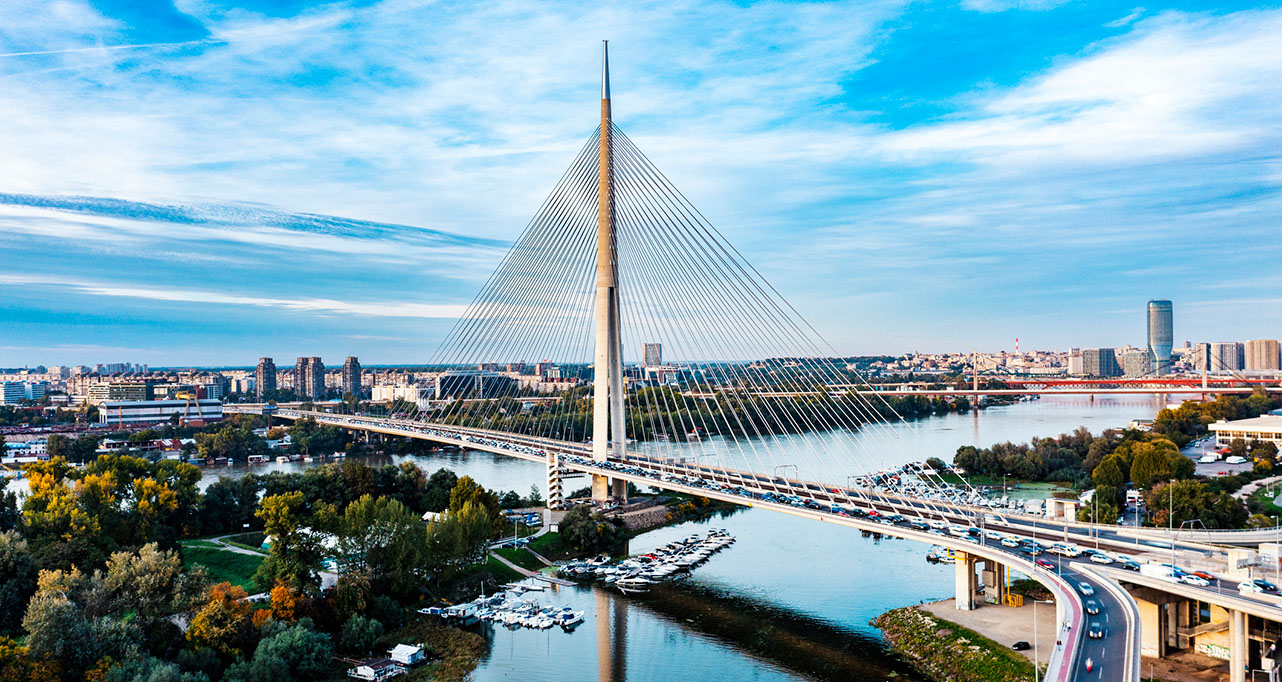
The EBRD’s work in Serbia supports the SCF priorities by advancing the green transition, governance, and human capital.
Through its Green Economy Transition approach, projects are expected to cut over 1,200 kilotons of CO₂ annually – equivalent to 250,000 cars off the road – and €1.5 billion has been committed to green financing. Support to SMEs has been significant: 64 per cent of advised firms hired more staff and 75 per cent grew turnover, generating 4,688 new jobs and €324 million in additional revenues. The Bank also provided €160 million in crisis financing for SMEs during Covid-19. Its investments have strengthened governance, fostered public-private partnerships, and promoted inclusion, skills, and gender equality, driving sustainable and inclusive growth in Serbia
Priority 1
Priority 2
Priority 3
Serbia’s economy has shown moderate resilience, with GDP growth of around 2 per cent in early 2025 supported by robust export performance and rising wages. External demand is helping narrow the trade deficit, while domestic consumption benefits from steady income growth, though remittances are softening. Inflation has eased but remains a challenge for vulnerable groups. Serbia continues to advance reforms for EU accession, but structural gaps in governance, infrastructure, and green transition financing weigh on long-term convergence
Cookie consent
Cookies are pieces of code used to track website usage and give audiences the best possible experience. Use the buttons to confirm whether you agree with default cookie settings when using ebrd.com.
Read our Cookie policy here.
These cookies cannot be disabled. They are essential for core functionality in ebrd.com to ensure a seamless and secure experience.
We use Adobe Analytics cookies to measure usage of the website in order to improve it and respond to end user actions. We review anonymised data on how people reach the site, where they click and so forth. Learn more here about specifics of our cookie use.
We use Adobe marketing cookies to enable us to customise ebrd.com to tailor the website and email marketing services based on the interests of each end user.