
These cookies cannot be disabled. They are essential for core functionality in ebrd.com to ensure a seamless and secure experience.
Search
Search

 Eng
Eng
 Eng
Eng
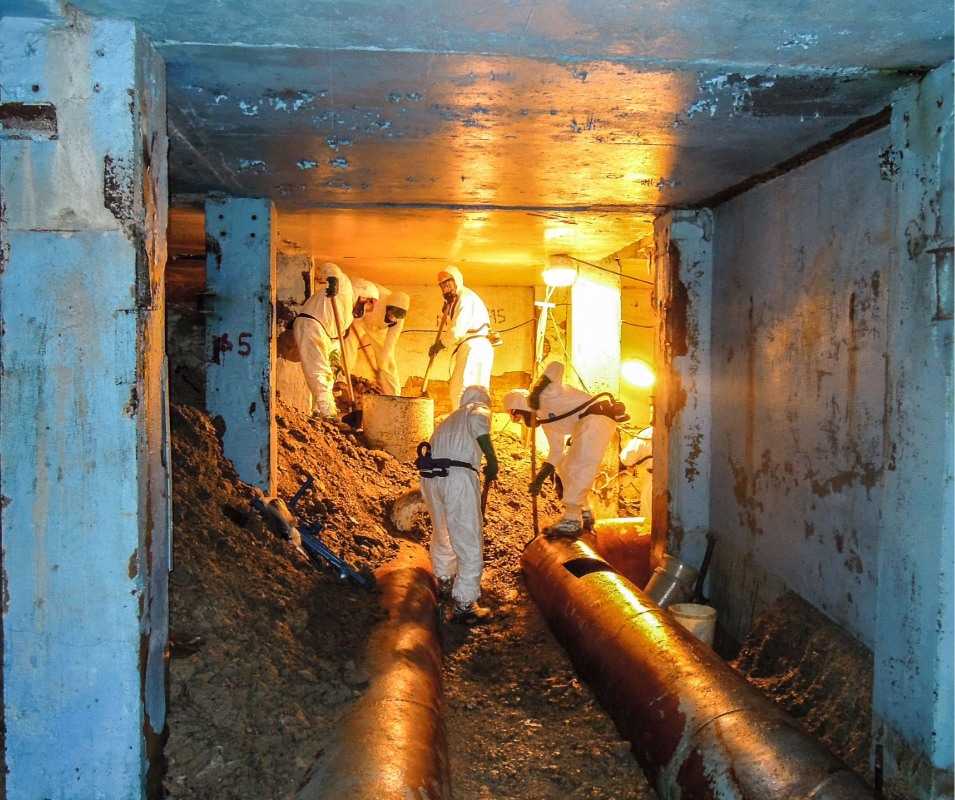
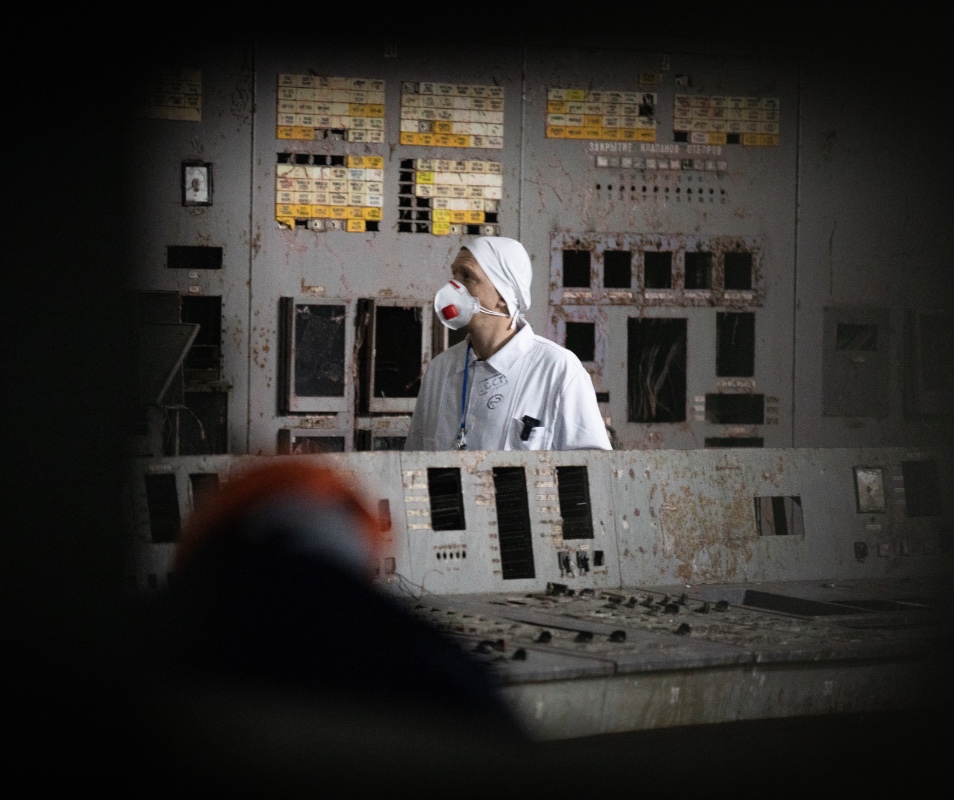
The delivery of the Shelter Implementation Plan (SIP) – which included stabilisation of the old shelter and creation of the necessary infrastructure to enable work to protect the Chornobyl site – was financed through the EBRD-managed Chernobyl Shelter Fund, established in 1997 and funded by contributions from 44 countries and the European Commission.
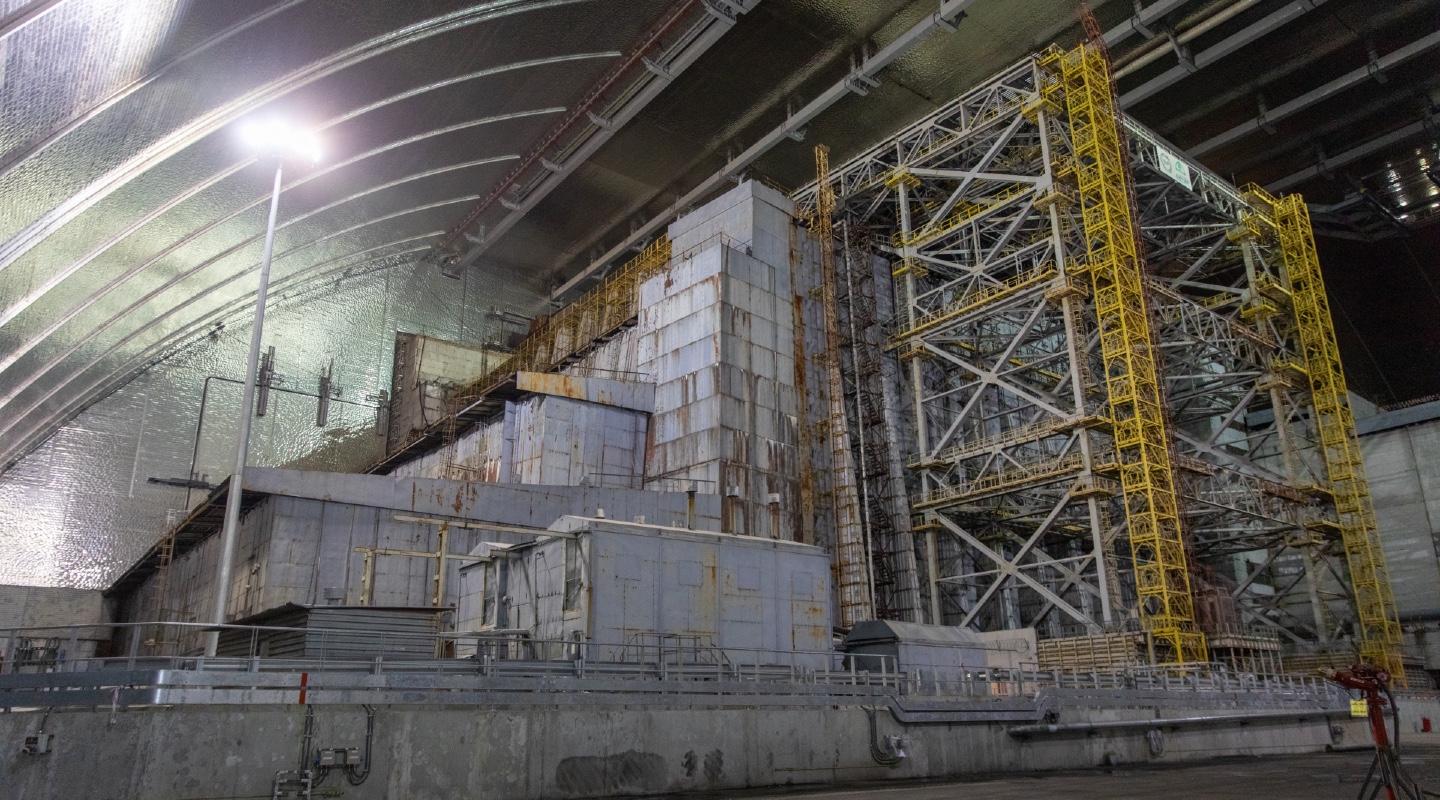
The New Safe Confinement (NSC) was the most prominent component of the SIP. This giant arch-shaped structure was put together in two halves near the accident site between 2010 and 2016, before eventually being moved into place over the damaged reactor.
The EBRD has provided more than €700 million of its own resources to support Chornobyl projects, including the NSC, which in July 2019 was officially handed over to Ukraine.
In November 2020, at the request of the Ukrainian government, a new multilateral fund was established to support the development of a comprehensive plan for Chornobyl. Named the International Chernobyl Cooperation Account (ICCA), it is managed by the EBRD.
Following Russia’s occupation of the Chornobyl Exclusion Zone (CEZ) at the start of the war on Ukraine, the scope of the ICCA was broadened to support the restoration of safety and security within the CEZ, as well as wider nuclear safety measures across Ukraine.
Although the NSC was completed in 2019, Chornobyl remains one of the world’s most vulnerable nuclear sites with safety and decommissioning challenges still to be addressed.A Russian drone attack on the structure in February 2025 severely affected its ability to carry out its two primary functions – containing radiological hazards and supporting long-term decommissioning. Key systems designed to ensure the NSC’s 100-year lifespan have been rendered non-operational as a result, with a significant risk of further deterioration. Restoring the functionality of the NSC is a key priority for ICCA.
Recent contributions by France, the European Union and the United Kingdom to the ICCA have brought the total available funds to almost €60 million, which will contribute to ongoing international efforts to support the restoration of the NSC’s key functions.
The EBRD is working closely with the Chornobyl nuclear plant to assess options for restoring the NSC’s full functionality. While it is difficult to provide an accurate estimate of the cost of repairs at this point, the scale of the damage and the complex radiological environment suggests it could amount to several hundred million euros.
Since the onset of Russia’s war on Ukraine, the country’s nuclear sector has been under immense strain. Until 2025, the worst-case scenario – a direct military strike on nuclear infrastructure – had been avoided.
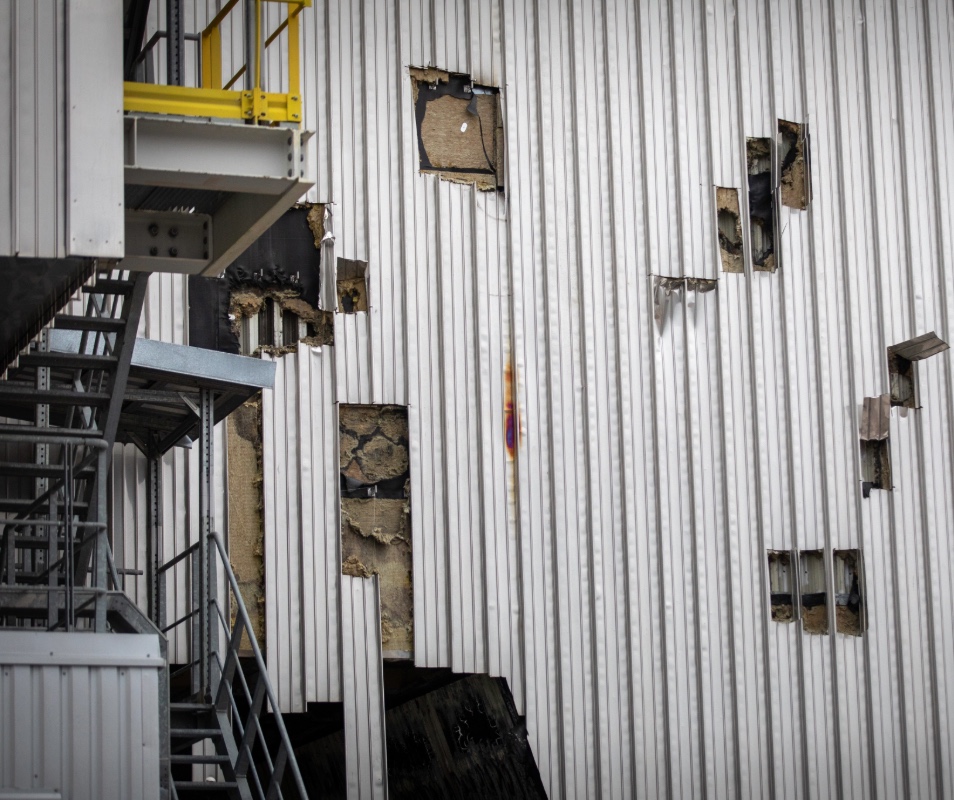
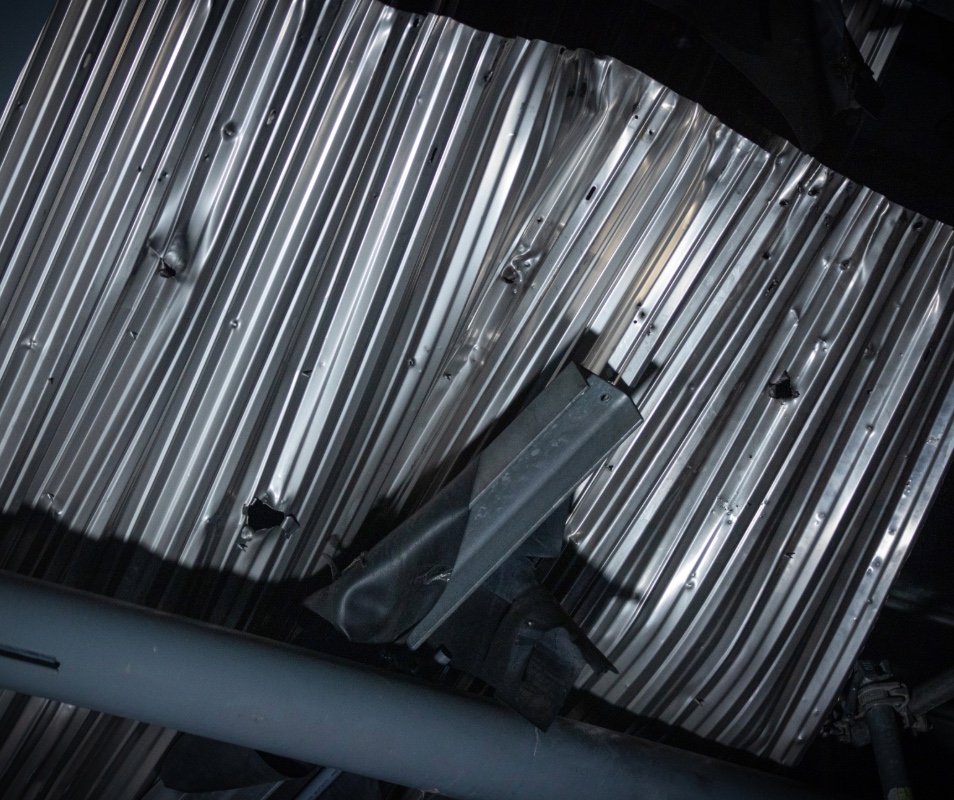
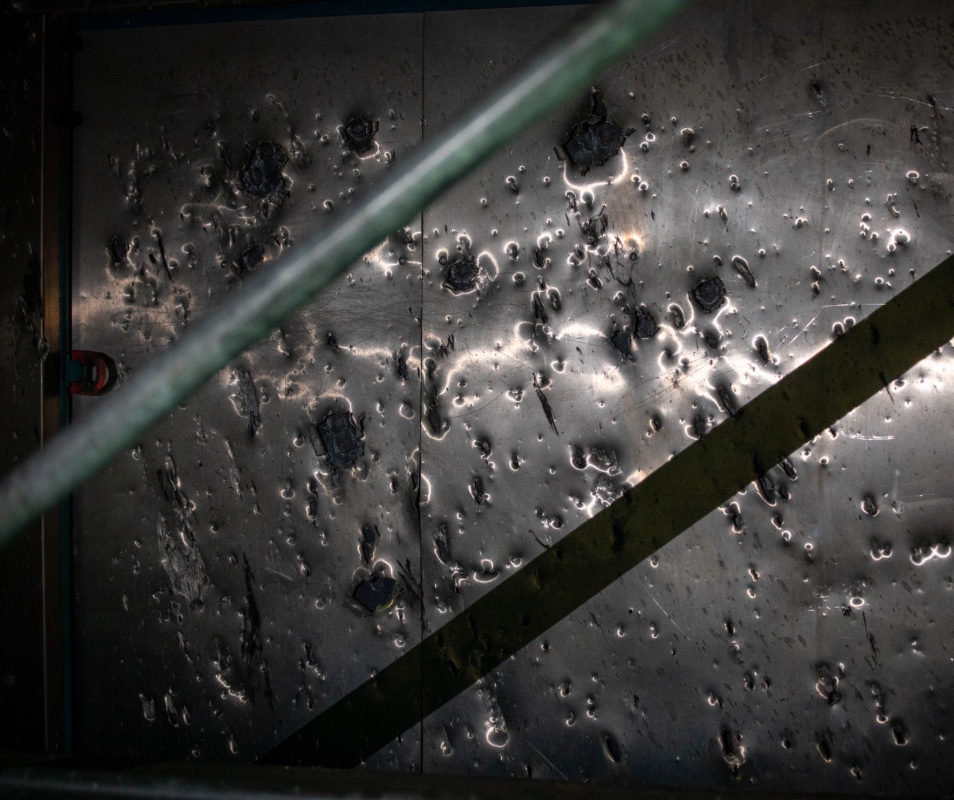
That changed in the early hours of 14 February 2025, when a drone carrying high explosives struck the New Safe Confinement (NSC) at the Chornobyl nuclear plant.
The attack took place at 01.50 local time, sparking a fire on the northern side of the structure. Both the outer and inner cladding were breached, creating a hole approximately six metres wide near the maintenance garage of the main crane system that is used to dismantle the original sarcophagus and the remains of reactor 4. A large area of cladding – up to 200 m² – sustained damage, and the structural integrity of the maintenance garage was put at risk.
Work is underway to provide a comprehensive assessment of the full extent of the damage, particularly regarding the cladding, ventilation and main crane system. These components are essential to the long-term operation of the NSC, as well as to ensuring safe deconstruction of the sarcophagus and reactor 4.
The Chornobyl nuclear plant continues to monitor radiation levels, with updates regularly posted on its Instagram account and official website. Current readings confirm that radiation levels remain within acceptable limits.
At the EBRD, we are also monitoring the situation closely. Immediately after the attack, we contacted both the International Atomic Energy Agency and officials at the Chornobyl plant. We also provided a swift update to donors of the International Chornobyl Cooperation Account, reaffirming that the Bank remains resolute in its long-term commitment to safety and security at Chornobyl.
At the same time, the 2025 drone attack and its aftermath serve as a stark reminder to the world that Chornobyl remains vulnerable.
This monumental feat of construction provided the environment in which Ukraine could, over future decades, manage the deconstruction and decommissioning of the old sarcophagus and destroyed reactor 4 in a safe and secure environment. The lifetime of the NSC at the time of completion was 100 years. Russia’s drone attack radically diminished the two core functions of the NSC: to confine and to deconstruct.
Detailed engineering assessments are underway but it is unclear how these functions can be restored. One risk is that the original design of the facility cannot be replicated and that the design life of the structure will be significantly shortened.
Introduced in 1997, the Shelter Implementation Plan (SIP) was the blueprint for Chornobyl’s transformation. Developed by Ukrainian and Western experts and backed by the EU and the United States of America, the SIP aimed to stabilise the sarcophagus and safely confine radioactive material until it could eventually be dismantled.
The SIP involved two main phases:
The total cost of the SIP reached €2.1 billion, funded by 45 countries, the European Commission and the EBRD.
The key element of the SIP is the NSC – a gigantic arch-shaped structure designed to last for at least 100 years. At 100 metres tall and spanning 257 metres, it is one of the largest movable structures ever built.
Constructed by Novarka, a French consortium formed by VINCI Construction and Bouygues Construction, the arch was assembled away from the reactor to protect workers from radiation, then slid into position over the sarcophagus on massive rails.
The NSC was handed over to the Ukrainian authorities in 2019, symbolising an extraordinary feat of engineering and international unity.
The EBRD also manages the Nuclear Safety Account, which finances two vital decommissioning infrastructure facilities:





Since the onset of Russia’s war on Ukraine, the country’s nuclear sector has been under immense strain. Until 2025, the worst-case scenario – a direct military strike on nuclear infrastructure – had been avoided. That changed in the early hours of 14 February 2025, when a drone carrying high explosives struck the New Safe Confinement at the Chornobyl Nuclear Power Plant.

Watch the video
Since the onset of Russia’s war on Ukraine, the country’s nuclear sector has been under immense strain. Until 2025, the worst-case scenario – a direct military strike on nuclear infrastructure – had been avoided. That changed in the early hours of 14 February 2025, when a drone carrying high explosives struck the New Safe Confinement at the Chornobyl Nuclear Power Plant.
Watch the video
More videos about Chornobyl