Read our Cookie policy here.
Search
Search
Who we are
Overview: about the EBRDWho we are
Overview: about the EBRD
Explore the EBRD’s journey over the decades, investing in businesses, supporting economies and driving lasting change across its regions.
What we do
Overview: how the EBRD operatesWhat we do
Overview: how the EBRD operates
Across three continents, the EBRD supports the transition to successful market economies.
Work with us
Overview: how you can work with the EBRDWork with us
Overview: how you can work with the EBRD
We draw on three decades of regional knowledge and financial expertise to tailor our products and approaches to each client's needs.

 Eng
Eng
 Eng
Eng

The Bank’s engagement in Uzbekistan’s energy sector began with foundational reforms in 2018, supporting the government’s efforts to modernise sectoral governance and create a transparent, competitive market. Early assignments focused on unbundling the state utility, establishing an independent regulator and drafting new electricity legislation. These reforms laid the groundwork for the introduction of competitive renewable energy auctions, with the Bank providing technical assistance and backstopping the first wind and solar tenders.
Building on this foundation, the Bank’s support then expanded to include the development of multi-year renewable investment plans, grid modernisation and the design of market-based incentive schemes. Capacity building for local authorities and the creation of robust regulatory frameworks ensured that Uzbekistan was equipped to attract private investment at scale.
Since 2022, these efforts have translated into tangible results. By mid-2025, more than 3 GW of renewable generation capacity had been financed by the EBRD, often in partnership with other international financial institutions and commercial lenders, alongside major upgrades to transmission infrastructure and the integration of battery storage. The adoption of a new electricity law in 2024 further strengthened the sector’s regulatory environment, supporting continued investment and market growth.
Uzbekistan’s experience shows how sequenced policy reforms, anchored in strong governance and market design, can unlock significant private and public investment, accelerating a country’s transition to clean, competitive energy, improving energy security, and supporting access to reliable and affordable energy for citizens and firms.
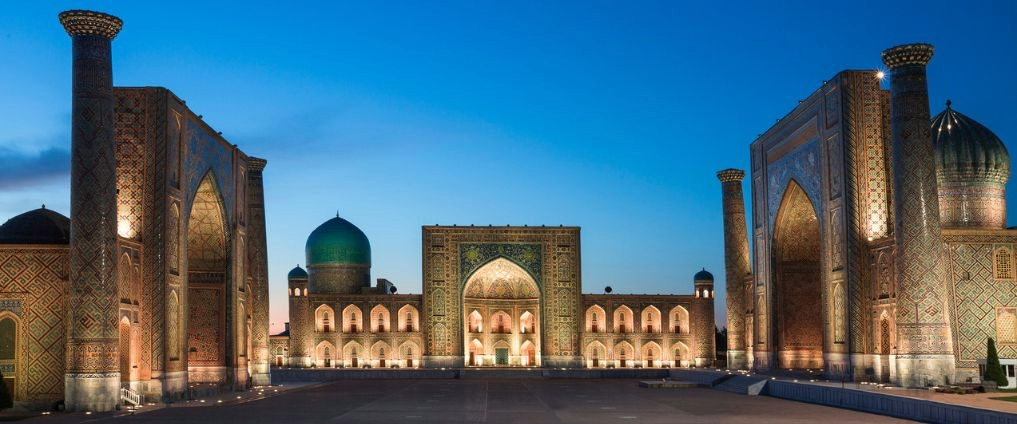
The EBRD in Uzbekistan
The EBRD has been investing in Uzbekistan since 1992. Uzbekistan is the leading recipient of EBRD funding in Central Asia, with investments in sectors ranging from renewable energy to banking. Since reengaging with the country, the EBRD has expanded its presence and now operates through a Resident Office in Tashkent.
Cookie consent
Cookies are pieces of code used to track website usage and give audiences the best possible experience. Use the buttons to confirm whether you agree with default cookie settings when using ebrd.com.
Read our Cookie policy here.
These cookies cannot be disabled. They are essential for core functionality in ebrd.com to ensure a seamless and secure experience.
We use Adobe Analytics cookies to measure usage of the website in order to improve it and respond to end user actions. We review anonymised data on how people reach the site, where they click and so forth. Learn more here about specifics of our cookie use.
We use Adobe marketing cookies to enable us to customise ebrd.com to tailor the website and email marketing services based on the interests of each end user.