Search
Search
Who we are
Overview: about the EBRDWho we are
Overview: about the EBRD
Learn about the EBRD's journey to investing more than €220 billion in over 7,800 projects.
What we do
Overview: how the EBRD operatesWhat we do
Overview: how the EBRD operates
Across three continents, the EBRD supports the transition to successful market economies.
Work with us
Overview: how you can work with the EBRDWork with us
Overview: how you can work with the EBRD
We draw on three decades of regional knowledge and financial expertise to tailor our products and approaches to each client's needs.

 Eng
Eng
 Eng
Eng
November, 2021
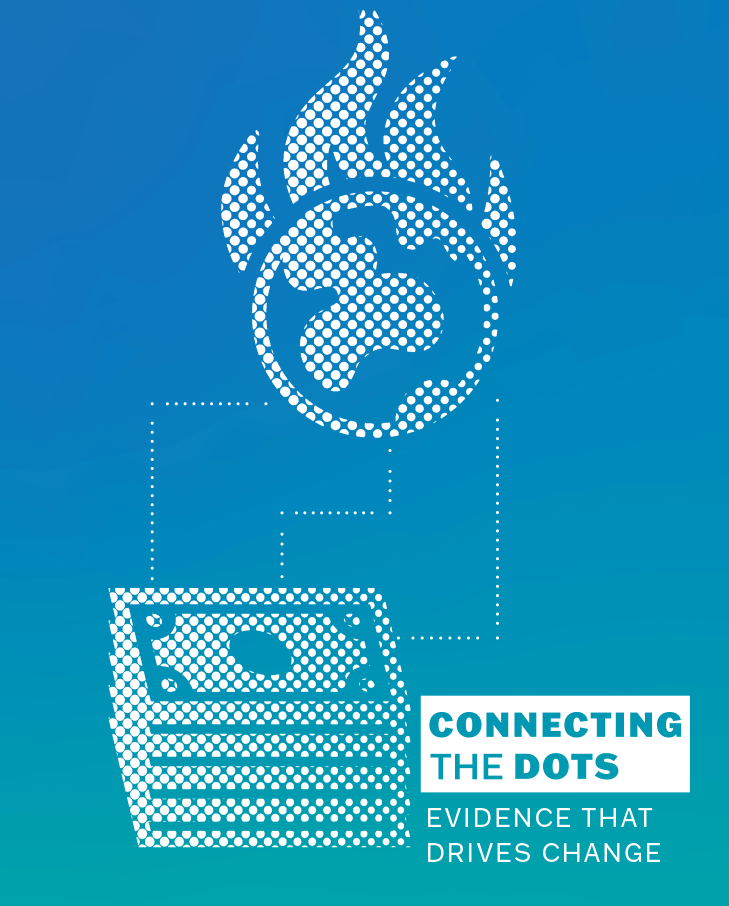
The Paris Agreement, signed at the Conference of the Parties (COP) 21 in 2015, set a goal of keeping global warming much less than 2°C above pre-industrial levelsand pursuing efforts to limit it to 1.5°C.
Having a reasonable chance of achieving this goal requires a strong and rapid response. Specifically, as per the Intergovernmental Panel on Climate Change (IPCC), global emissions of CO2 must reach net zero by 2050. The latest IPCC report states that human-induced climate change is provoking many weather and climate extremes in every region across the globe. In the absence of sustained and increased efforts to limit emissions and strengthen resilience, this will likely intensify and generate increasingly negative consequences.
This synthesis draws key lessons from international financial institutions’ (IFIs) evaluations on climate financeactivities and aims to contribute to the body of evidence-based evaluation knowledge, particularly in relation to IFI interventions via financing, mobilisation and transforming markets.