
Search
Search

 Eng
Eng
 Eng
Eng
The European Bank for Reconstruction and Development (EBRD) invested a record €2.8 billion across 65 projects in seven economies in the southern and eastern Mediterranean (SEMED) region, Egypt, Iraq, Jordan, Lebanon, Morocco, Tunisia, and the West Bank and Gaza in 2025, reinforcing its strong support for partner economies during challenging times. All in all, 70 per cent of the EBRD’s investment in the region went to the private sector. That record figure for 2025, which made SEMED the third-largest regional recipient of EBRD investment last year, followed total investment of €2.4 billion in those economies in 2024.
The EBRD also mobilised a record €747 million of private investment in the region in 2025, up from €514 million in the previous year.
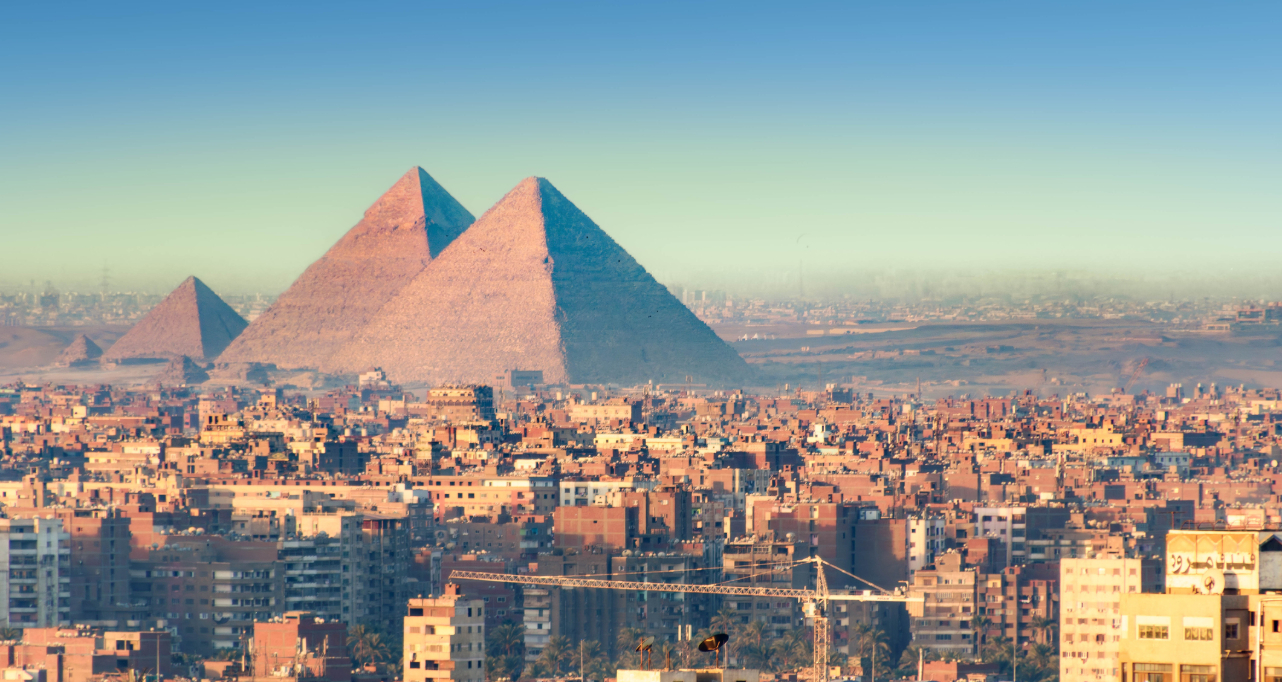
Egypt remained one of the Bank’s largest economies of operation, with a record €1.3 billion of investment across 26 projects last year. Seventy per cent of that investment went to the private sector, 60 per cent took the form of green finance, and almost half went to projects with a gender equality component.
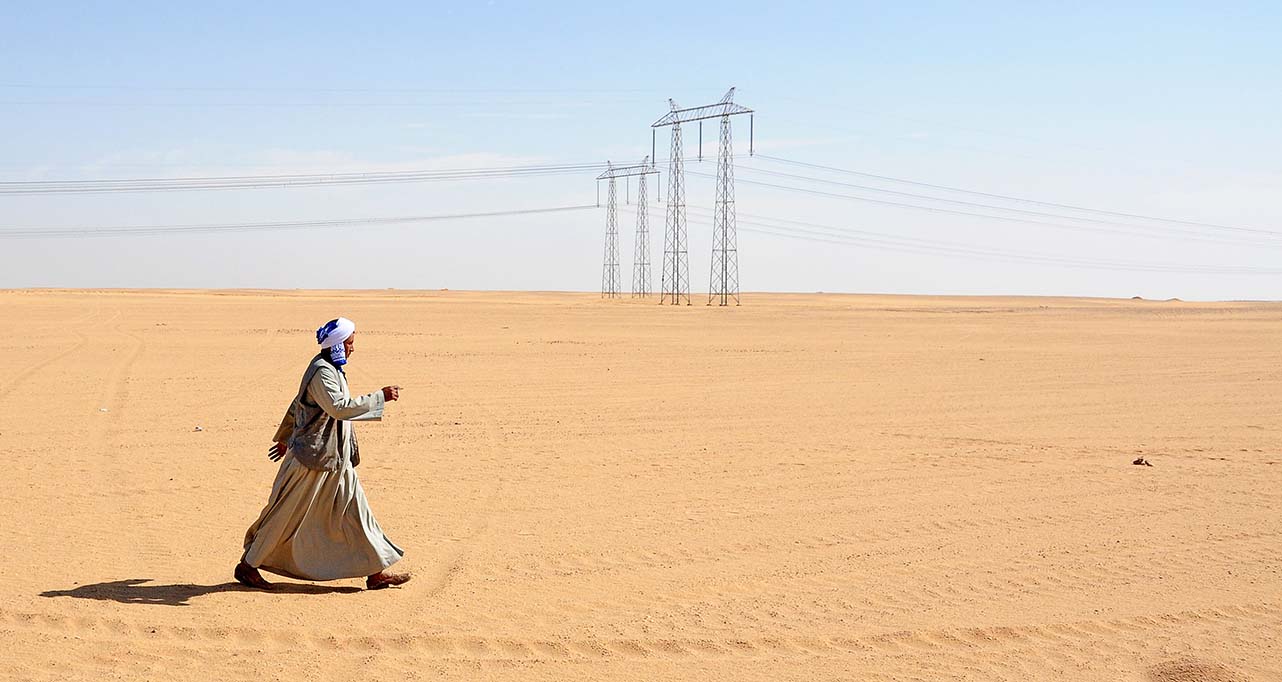
To help meet rising demand for electricity and integrate additional renewable energy capacity, the EBRD provided €200 million to the Egyptian Electricity Transmission Company (EETC),the first investment in Egypt’s electricity grid under the country’s NWFE initiative.
Supporting Egypt’s digital transformation, the EBRD and Banque Misr extended a €68 million syndicated loan to Orange Egypt for its 5G licence, which is expected to deliver broad benefits to consumers and businesses. The Bank also continued to back small and medium-sized enterprises (SMEs), women and youth led businesses, and corporate clients in manufacturing, services, agribusiness and pharmaceuticals.
In Jordan, the EBRD invested €201 million across 10 projects in 2025. Eighty six per cent of that investment went to the private sector, over 44 per cent constituted green finance, and 80 per cent supported women and young people’s participation in the workforce.
With a view to strengthening Capital Bank’s tier II capital and expanding its lending to Jordanian micro-enterprises and SMEs, the EBRD and a consortium of international lenders mobilised a Basel III compliant subordinated loan of up to US$ 155 million through an A/B structure, with EBRD investment of US$ 35 million (€29.8 million).
Meanwhile, a sovereign guaranteed EBRD loan of €24.1 million, combined with an EU investment grant, is financing electrical transmission infrastructure to strengthen the national grid.
Following the EBRD’s approval of Iraq’s economy of operation status in 2025, the Bank launched its first investment there, providing a US$ 100 million (circa €85 million) trade finance facility to the National Bank of Iraq (NBI), the country’s largest private bank, to help boost import and export activity.
In Lebanon, the EBRD continued to support imports of essential commodities with €22 million of trade finance through its Trade Facilitation Programme.
Under its Advice for Small Businesses (ASB) programme, the Bank delivered more than 132 new advisory projects in Lebanon in 2023, focusing on the transition to a green economy and the inclusion of women and young people, bringing the total number of ASB projects in the country to 554.
The Bank also launched a €10 million European Union (EU) funded programme to boost resource efficiency and circular economy practices in small enterprises and a €4 million EBRD funded programme to support reconstruction for SMEs affected by the war.
EBRD investment in Morocco reached an all time high of €895 million in 2025, up from €530 million in 2024. Thirty-three per cent of this investment went to the private sector and over 80 per cent was green finance.
A €300 million loan to ONEE will strengthen the utility company’s financial resilience and represents the region’s first sustainability linked loan in the energy sector.
To preserve the Saïss aquifer and promote sustainable water management, the EBRD provided €150 million of financing for the third and final phase of the Saïss Water Conservation Programme, supporting the irrigation of 20,000 hectares of land with the programme as a whole benefiting 1.8 million people.
Meanwhile, a €50 million loan to Crédit du Maroc will finance private sector green investments under Morocco’s Decarbonisation and Climate Resilience Programme.
The EBRD delivered strong investment in Tunisia in 2025, with €398 million being invested across 12 projects.
This included a first €50 million tranche of a development linked loan of up to €190 million to Tunisie Telecom. This loan will help the company to upgrade its mobile network from 4G to 5G, expand its fibre network (connecting up to 200,000 households to that network) and pioneer new cybersecurity standards.
With EU support, the Bank also made its first investment in Tunisia under the Youth in Business programme, providing a TND 15 million loan to Enda to support micro-enterprises and SMEs led by entrepreneurs under the age of 35. Meanwhile, a new EU supported Green Economy Financing Facility is offering €59 million of loans to local financial institutions for energy efficiency, renewable energy, climate adaptation and circular economy projects, with additional foreign exchange hedging support from TCX.
The EBRD provided €28 million through six transactions in 2025 to support the Palestinian economy. Its total cumulative financing in the economy since beginning operations there in 2017 now stands at €185.5 million.
The Bank’s ASB and Star Venture programmes also continued to scale up support for small businesses in the West Bank, delivering more than 175 advisory projects, onboarding 19 startups to Star Venture and training over 600 SMEs.
The Bank continued to deploy targeted policy engagement and technical cooperation in the SEMED region, with a focus on the green transition and professional skills. This was done with the aim of improving the governance of state owned enterprises, enhancing market competitiveness and making progress with regulatory reforms across sectors.
The region continued to see strong donor support, including from the EU, the EBRD’s SEMED Multi-Donor Account,* the Green Climate Fund, the Global Concessional Financing Facility and other bilateral and multilateral donors.