Search
Search
Who we are
Overview: about the EBRDWho we are
Overview: about the EBRD
Learn about the EBRD's journey to investing more than €220 billion in over 7,800 projects.
What we do
Overview: how the EBRD operatesWhat we do
Overview: how the EBRD operates
Across three continents, the EBRD supports the transition to successful market economies.
Work with us
Overview: how you can work with the EBRDWork with us
Overview: how you can work with the EBRD
We draw on three decades of regional knowledge and financial expertise to tailor our products and approaches to each client's needs.

 Eng
Eng
 Eng
Eng
Author: Bojana Vlajcic
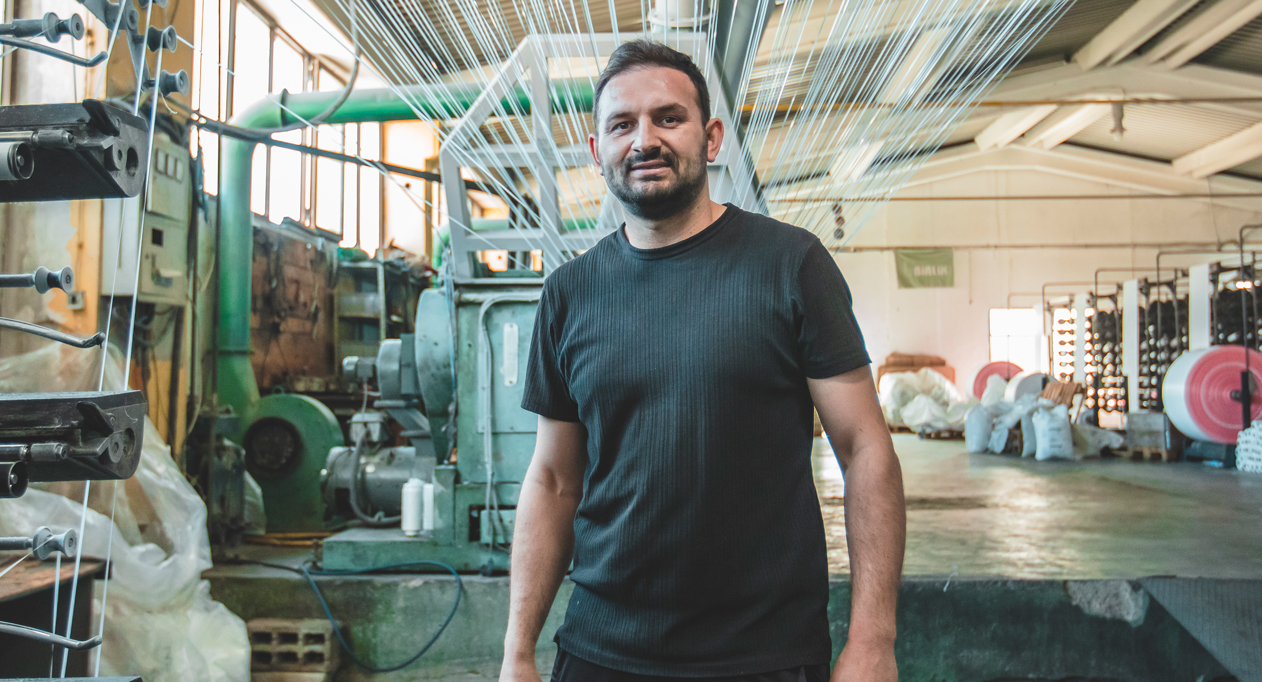
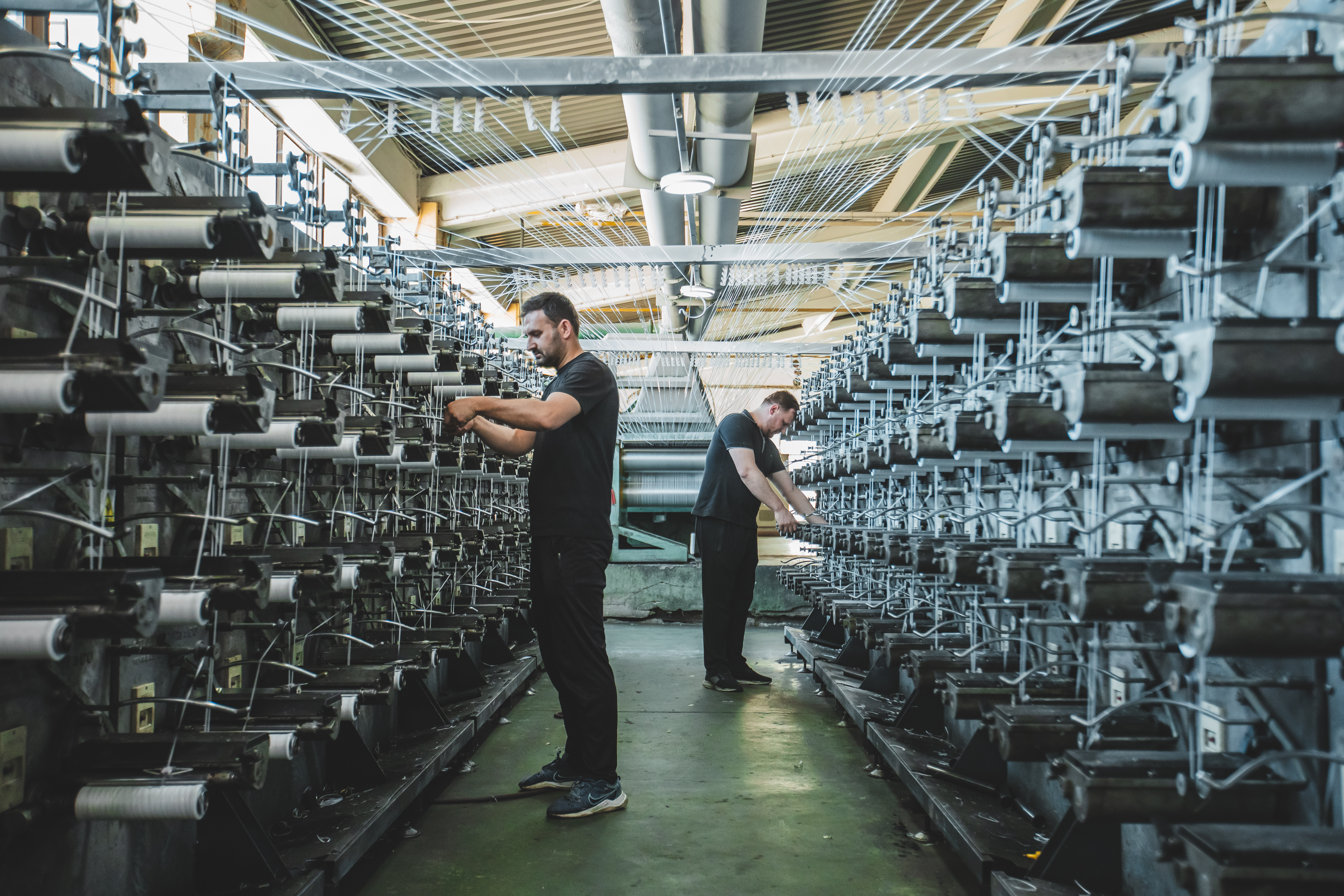
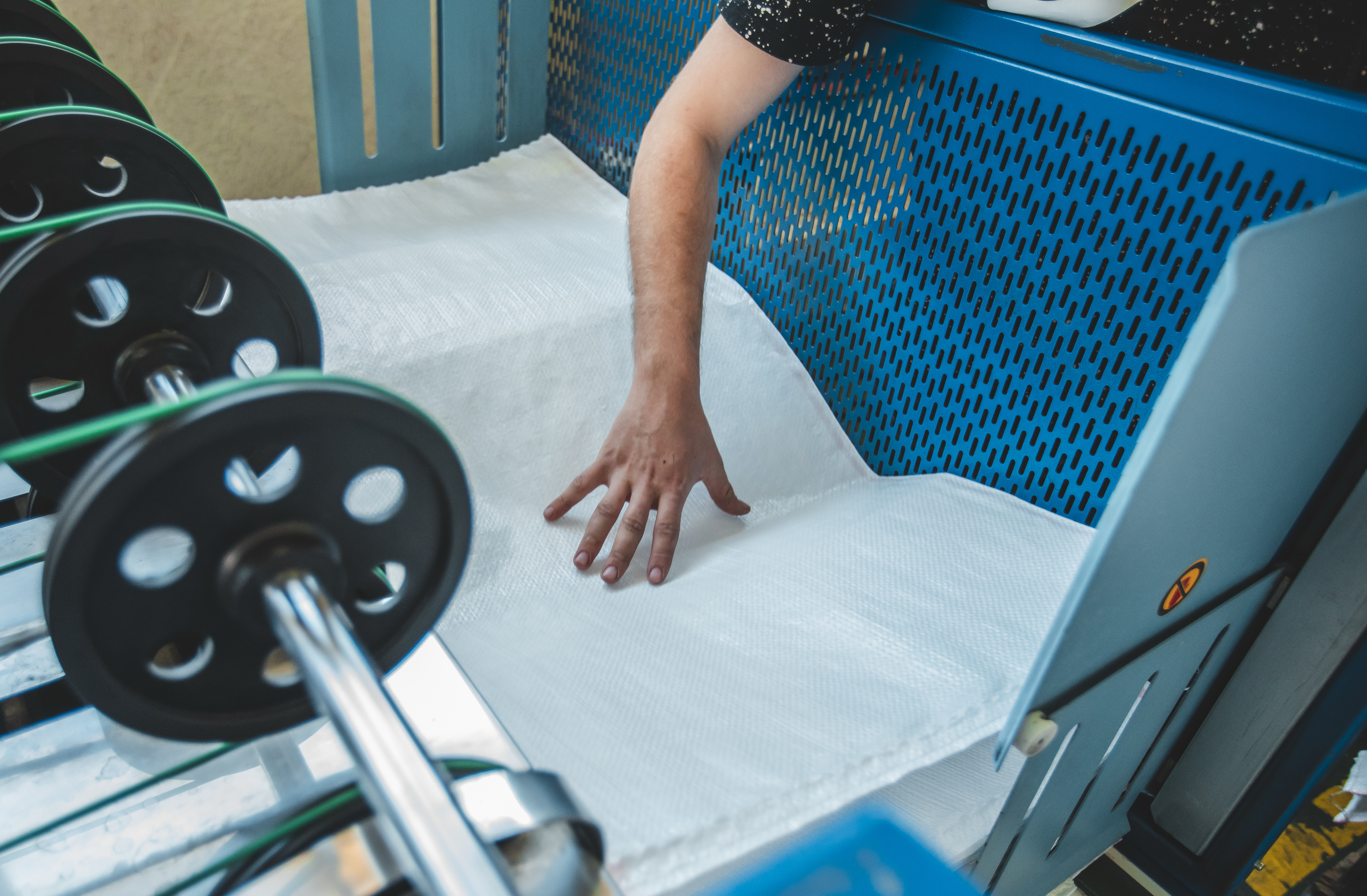
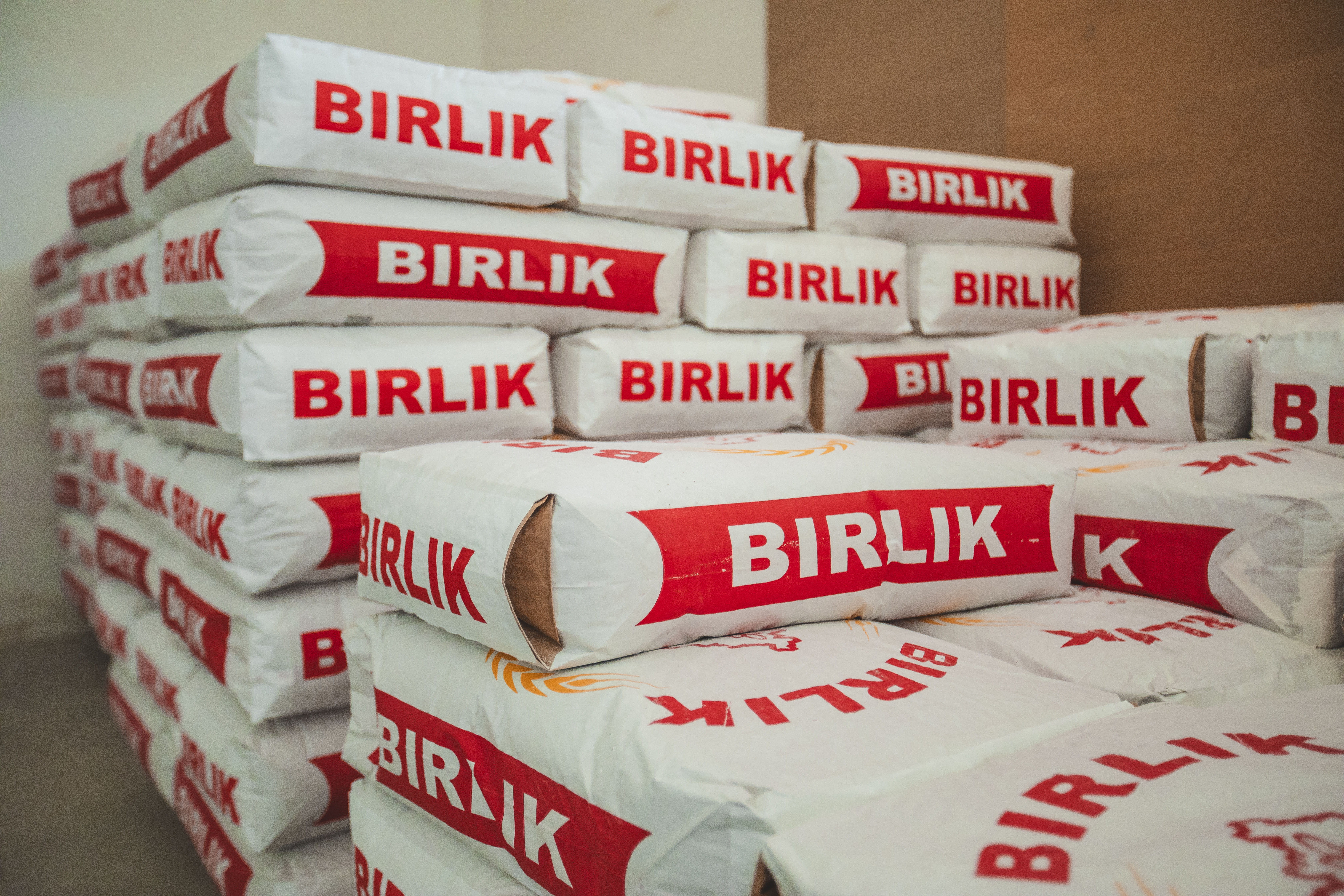
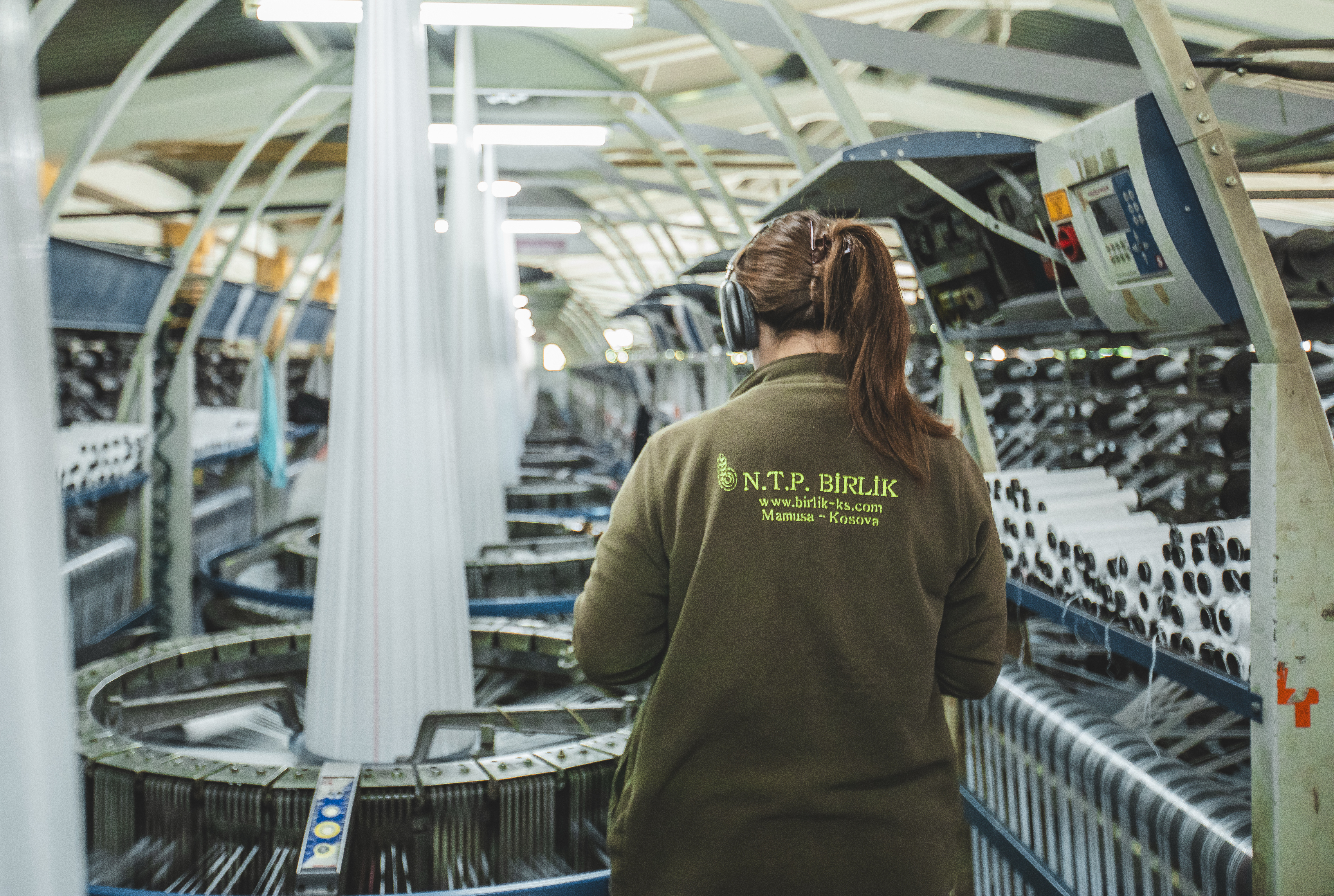
Founded in 1978 in Mamusha, southern Kosovo, Birlik has grown from a local agricultural operation into a successful producer of flour and industrial packaging, supplying both domestic and regional markets. Today, around 70 per cent of its production is exported to Albania, North Macedonia and Montenegro, positioning the company as a competitive player in the Western Balkans.
“As a family business, we have always focused on quality, reliability and building long-term relationships,” says Fikret Morina, the company’s director.
But in recent years that model has come under pressure. Like many manufacturers in the region, Birlik has faced rising energy prices, supply chain disruptions and increasing input costs – challenges that threaten margins and long-term stability.
The answer came in the form of a strategic shift towards renewable energy.
With support from the European Bank for Reconstruction and Development (EBRD) and the European Union (EU) under the SME Go Green programme, Birlik invested in a solar power system to reduce both costs and emissions.
Installed on site, the solar panels now generate enough energy to meet a significant share of the company’s electricity needs.
“We have installed a system with a capacity exceeding 200 kilowatts,” Morina explains. “Today, around 30 to 40 per cent of our energy consumption comes from our own production, which has already led to substantial savings.”
The investment was made possible through a combination of financial and advisory support.
Alongside an EBRD loan, Birlik received an EU-funded grant covering 15 per cent of the loan value, as well as technical assistance to help prepare and implement the project.
This integrated approach ensured that the company could move from idea to implementation efficiently, maximising both financial returns and operational impact.
Select an image to expand
Select an image to expand
Today, the benefits reach far beyond lower energy bills.
By reducing its reliance on external energy sources, Birlik is more resilient to market volatility. It has also improved cost predictability and reduced its environmental footprint.
At the same time, the investment supports the company’s alignment with EU environmental standards, which is increasingly important for businesses competing in regional and international markets.
Birlik’s experience is a clear example of how targeted green investments can help manufacturers navigate a changing economic landscape. With the backing of EBRD financing and EU grants, companies are not only cutting costs but also accelerating their transition to more sustainable business models.