
Search
Search

 Eng
Eng
 Eng
Eng
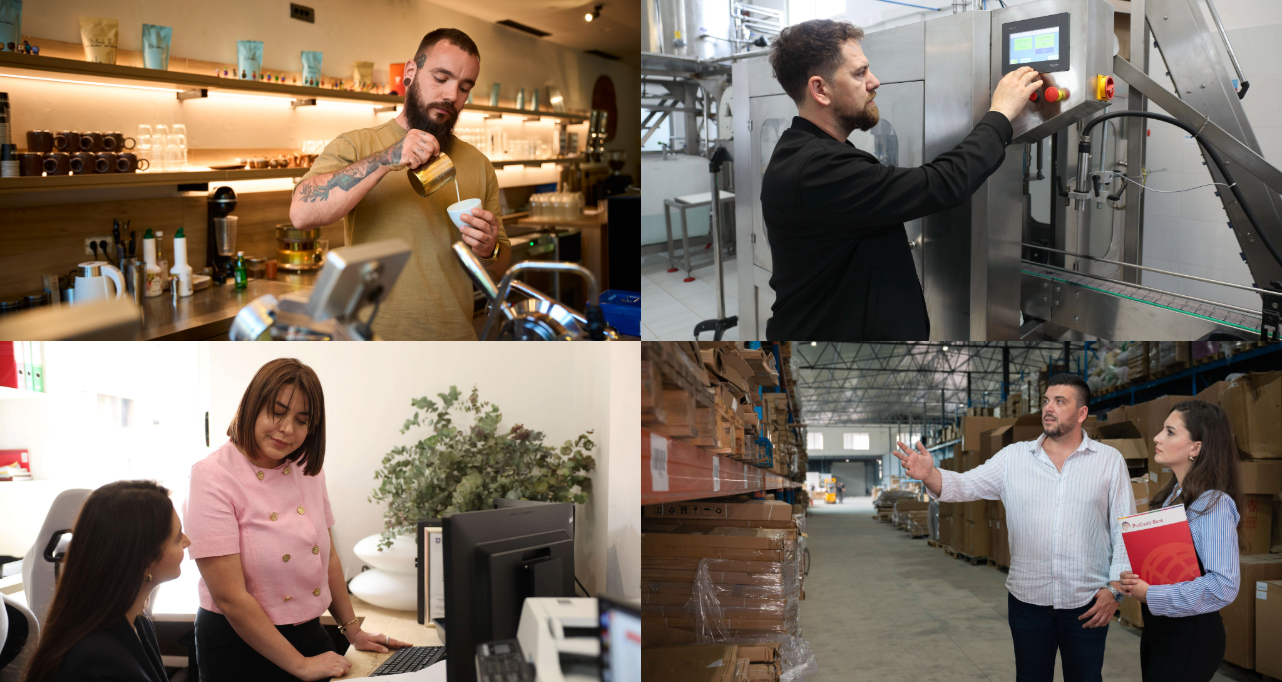
A business can begin in many ways, from a personal frustration, a family tradition, a gap in the market, or years spent learning an industry from the inside. What happens next is often less visible. As a business grows, decisions become more complex, pressure builds across operations, and what once worked smoothly no longer feels sufficient. This is the point where business growth hinges on a different set of factors, including stronger systems, better planning, access to finance and the ability to manage increasing demand.
Across the Western Balkans, the EBRD’s Youth in Business programme supports young entrepreneurs at this stage, combining finance with advisory services, training and networking opportunities designed to strengthen businesses over time. The programme is supported by the European Union, Italy and Luxembourg.
€31.6m
Financing provided
2,500+
Businesses supported
1,000+
Entrepreneurs reached through training, advisory services and networking
By mid-2025, the programme had helped channel €31.6 million in funding to more than 2,500 businesses, supporting young entrepreneurs to invest and grow. Beyond finance, over 1,000 entrepreneurs have also benefitted from training, advice and networking. These results point not only to scale, but to sustainability, with very low levels of loan default showing that the businesses supported are growing in a stable and resilient way.
The figures reflect the scale of the programme and the level of support available to young entrepreneurs across the region. What they do not show is what growth actually looks like inside a business: the pressure, the decisions and the adjustments that come with it.
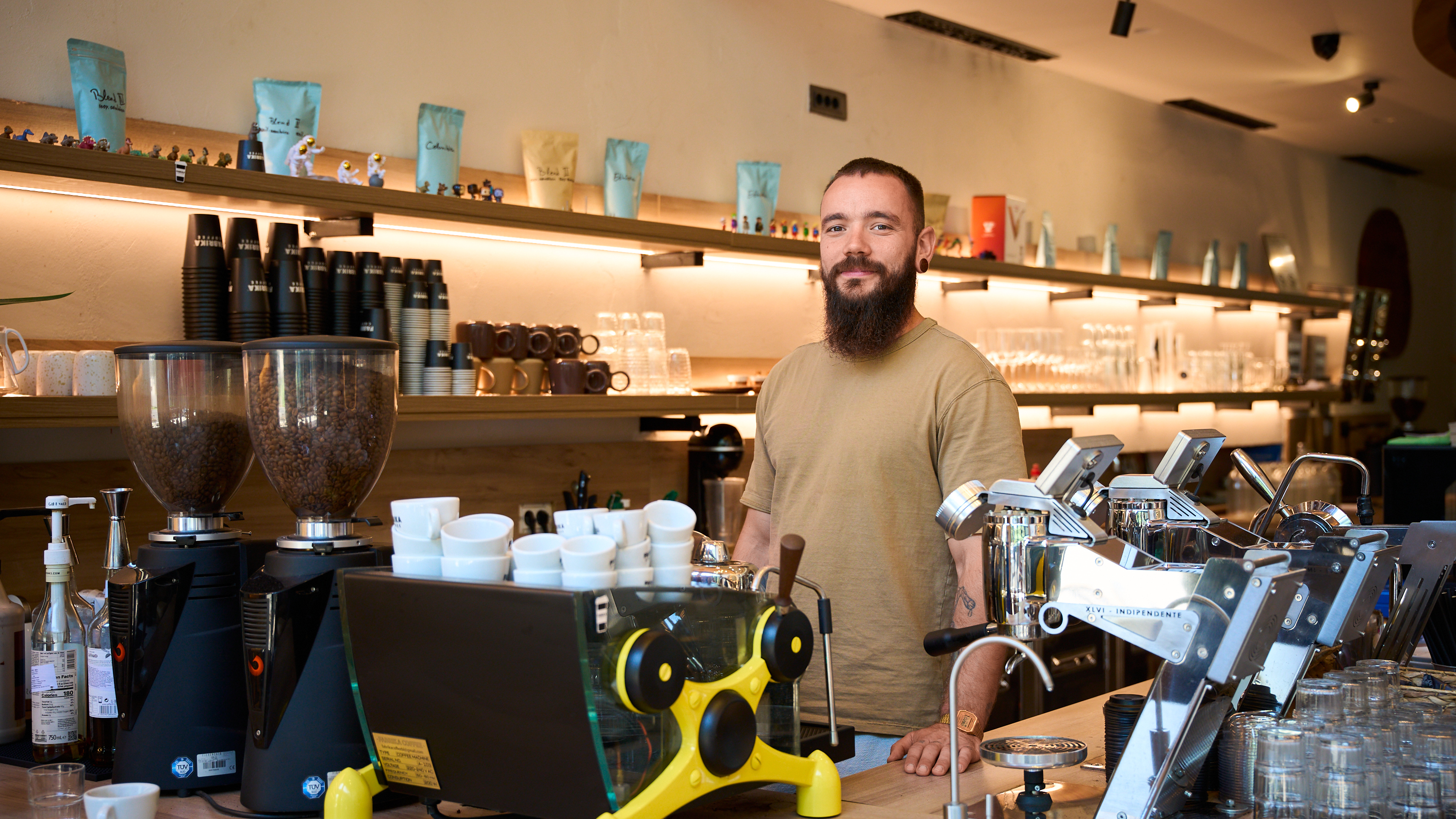
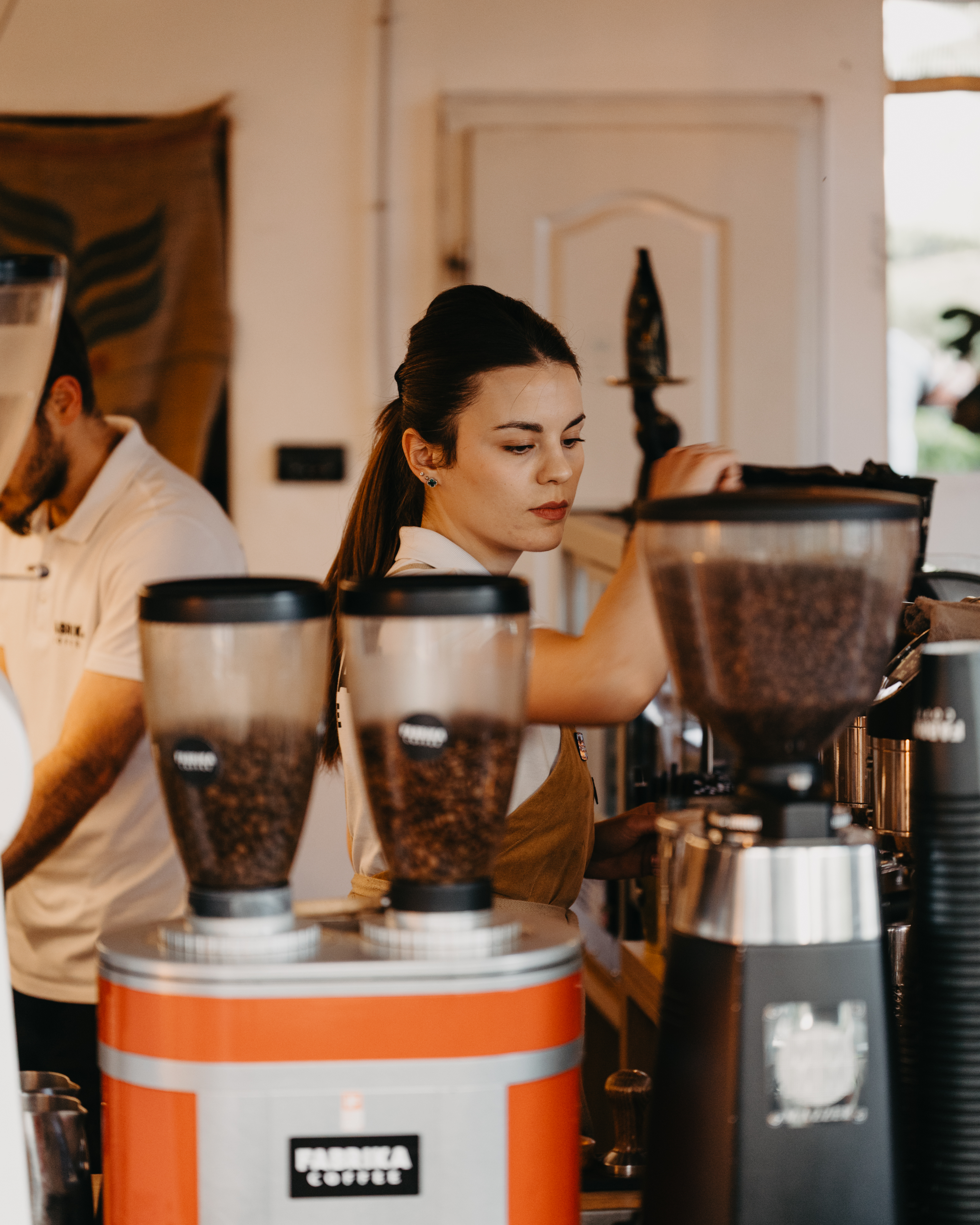
Nikola Ivanović, founder of Fabrika Coffee in Montenegro, came to entrepreneurship after more than a decade in hospitality, working across bars, cafes and restaurants before deciding to create a brand of his own. "I started the company because I believed Montenegro deserved a modern coffee brand that could combine high quality products, strong systems, consistency, and authentic customer experience," he explains. The vision became the foundation for Fabrika Coffee, a modern hospitality business built around product quality, customer experience and strong operational standards.
Maintaining those standards became more difficult as the company expanded. In a hospitality business, expanding the number of locations is only part of the story: maintaining a consistent customer experience across them is what defines real growth. That was the pressure Nikola identifies most clearly. As he recalls, “One of the biggest challenges was managing rapid growth while maintaining quality and operational consistency.” As Fabrika Coffee expanded, maintaining those standards required stronger planning, clearer processes and a structure capable of supporting further growth.
Support from the Youth in Business programme helped strengthen the internal structure of the business. “The cooperation with the EBRD helped us professionalise certain aspects of the business, improve planning and organisation, and better position the company for future growth,” he confirms.
That shift from a successful concept to a more organised business is central to Nikola’s story. The company is now looking to open new locations, explore franchising opportunities and further invest in systems and sustainability. As Nikola puts it, “Our long-term goal is to continue strengthening Fabrika Coffee as one of the leading modern hospitality brands in the region.”
For him, growth has meant learning how to replicate quality, and how to make a brand repeatable without losing what made it distinctive in the first place.
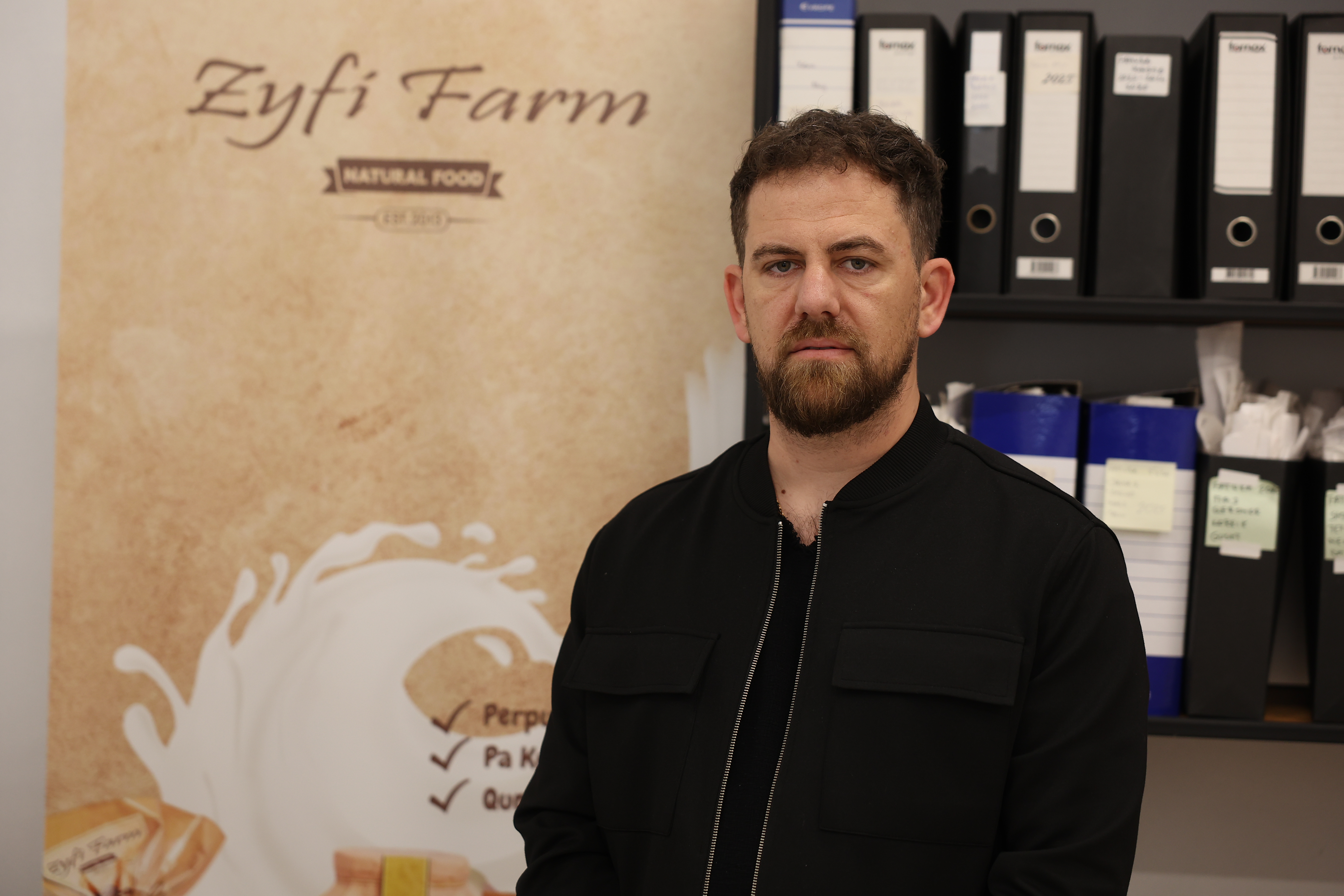
Gerald Zyfi’s journey is rooted in transformation. Zyfi Farm in Albania did not begin as a polished agricultural enterprise. It grew out of a family farm and the realisation that the quality of its milk could be the basis for something more.
The journey from family farm to business was not obvious. Gerald’s starting point was music, having studied at the Academy of Arts, a world far removed from dairy production. Recognising the potential in what his family had built and deciding to pursue it more seriously, he travelled to Greece to develop the technical skills needed to grow the business.
Starting with small quantities, Gerald and his family experimented with products, refined recipes and tested demand. The early years were not always easy. At one point, Gerald and his brother were investing everything they had into the business without seeing a profit and seriously considered giving up. As Gerald recalls, “There was a moment where we seriously considered closing down. It was a tough and uncertain time. What kept us going was belief. We believed in our product, in what we were building, and in our ability to make it work.”
Confronting those challenges, Gerald and his family continued refining their products. Over time, those early experiments evolved into a wider range of yoghurts, cheeses and other dairy products.
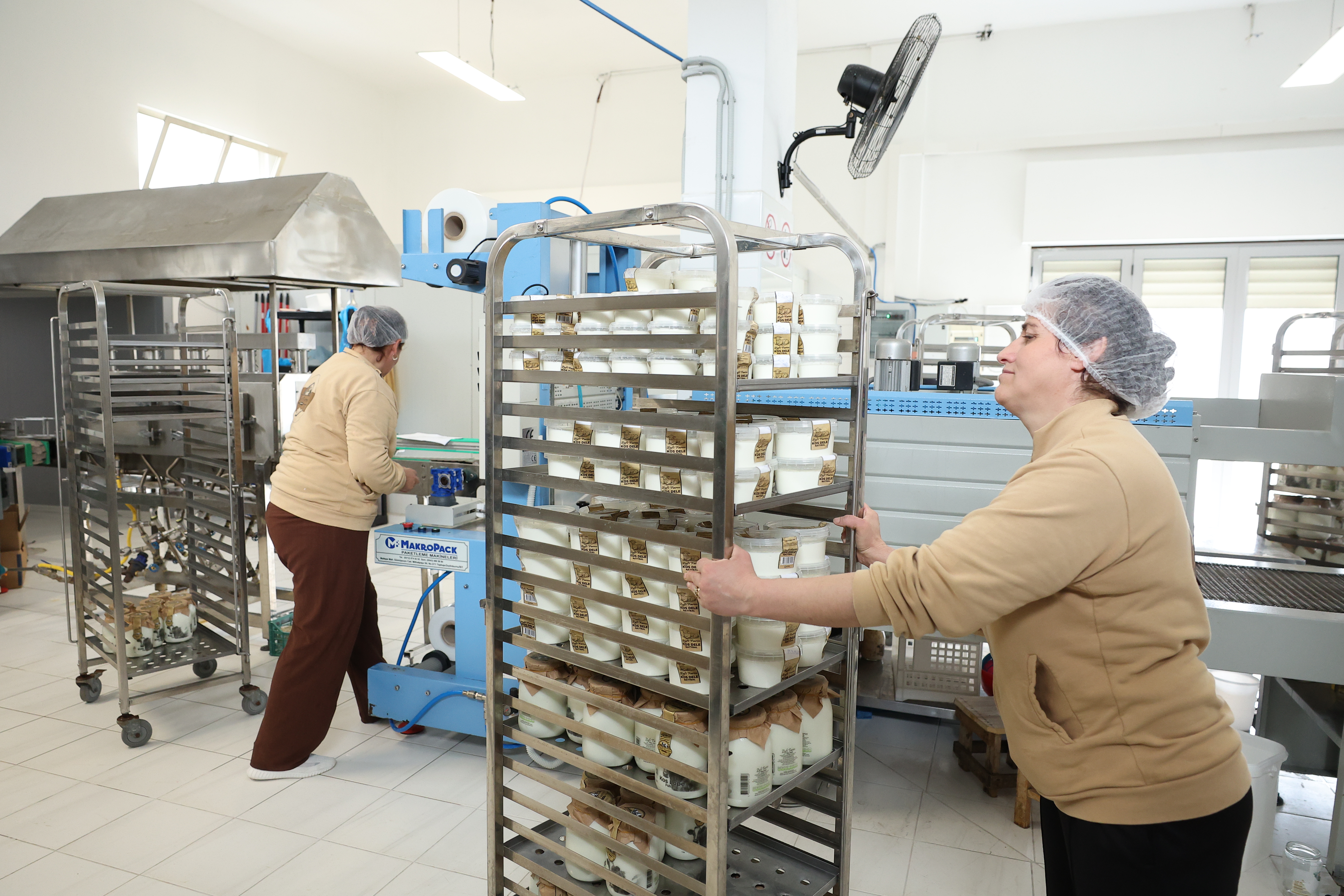
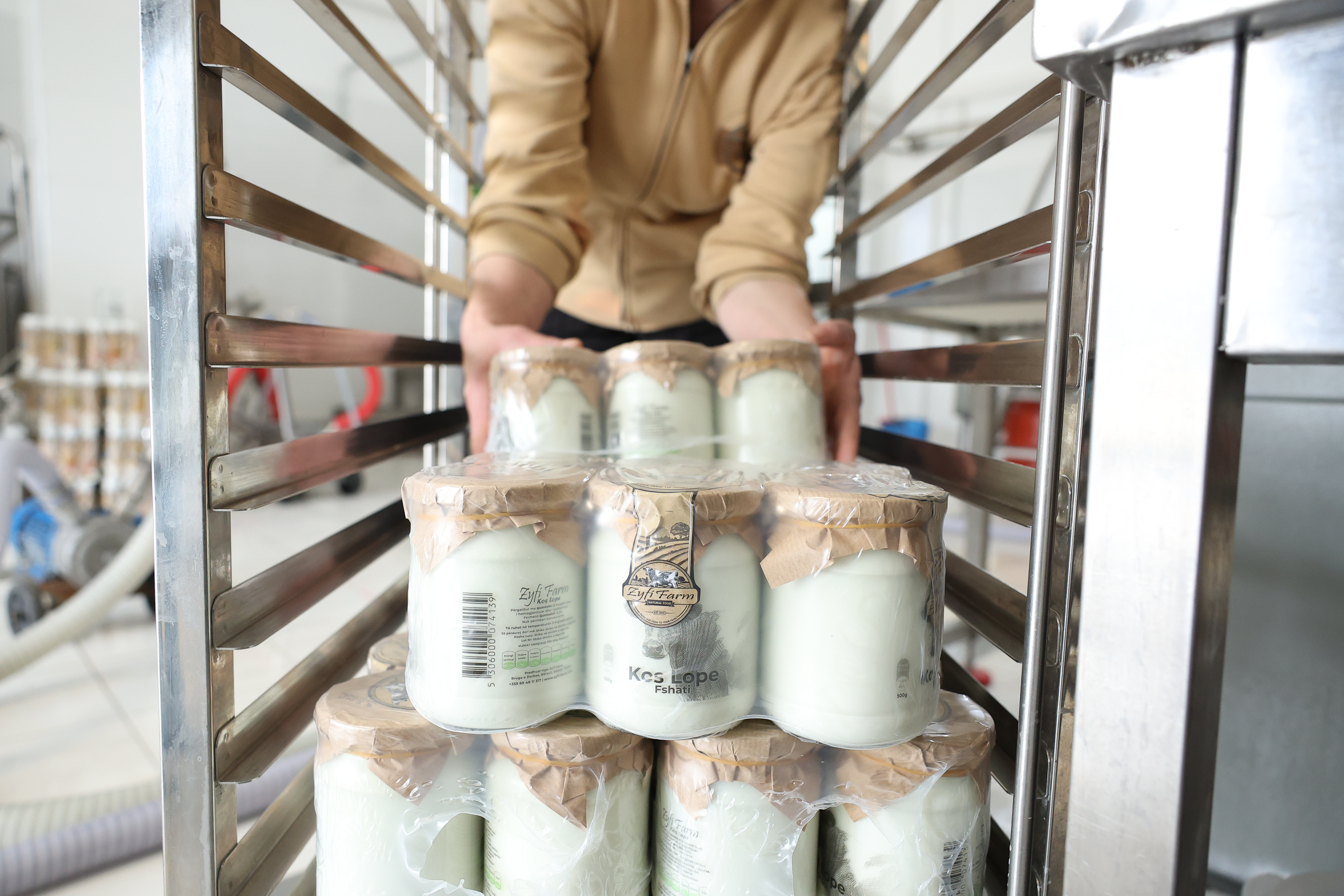
Support from the Youth in Business programme marked a turning point in how the business operated day to day. It enabled Zyfi Farm to invest in equipment that transitioned production from largely manual work to a more automated process. As Gerald explains, “With the equipment we acquired through the Youth in Business programme loan, we moved to an automated production process. It didn't just make us faster and more efficient... It also opened the door to innovation.”
As the business grew, Zyfi Farm strengthened local supply chains by working with local farmers to source milk, while reaching a wider market with its products.
Looking ahead, Gerald plans to expand the business and explore agritourism, connecting production, food and experience. For him, the journey has shifted from survival to stability, and now heads towards building something broader and more integrated.
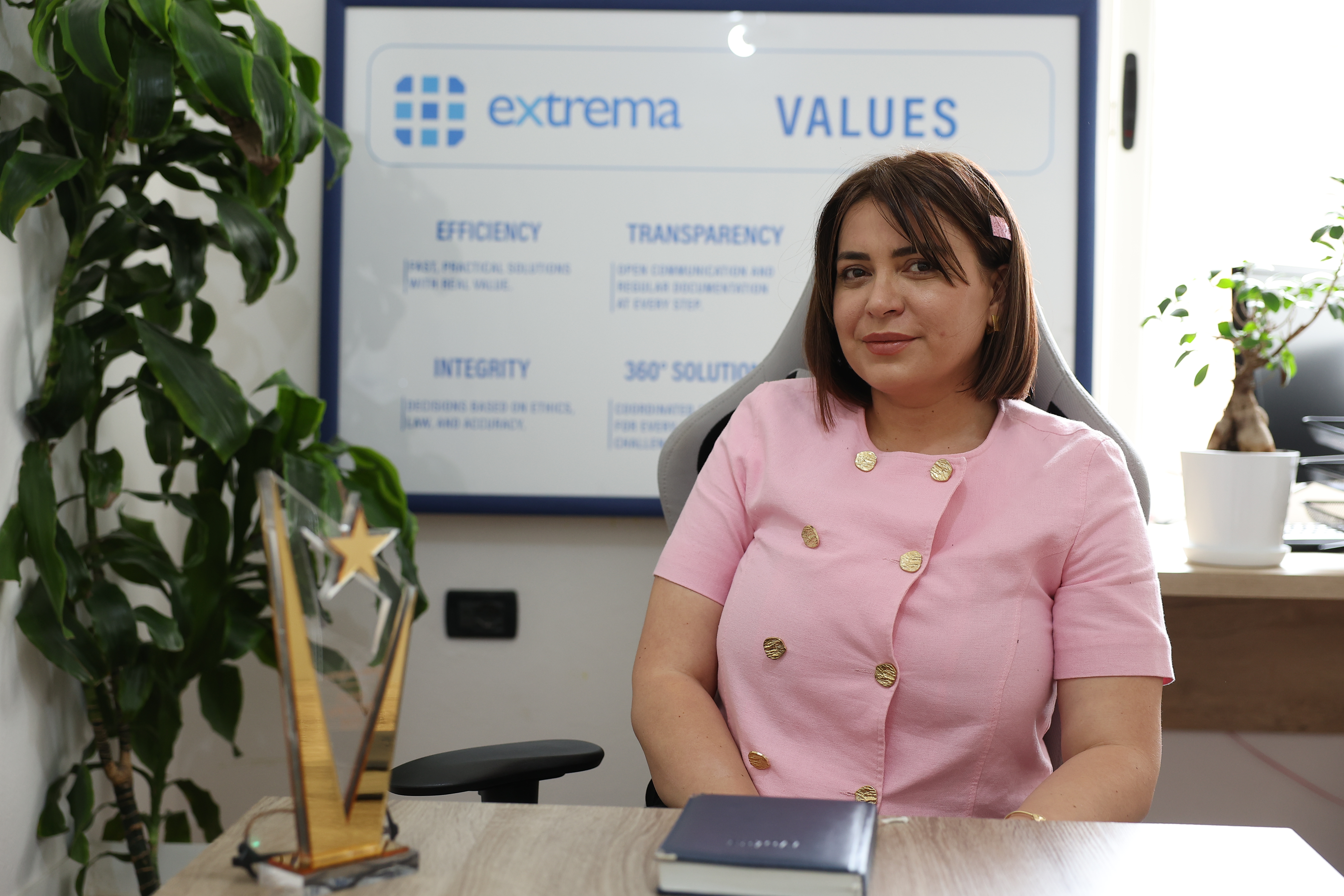
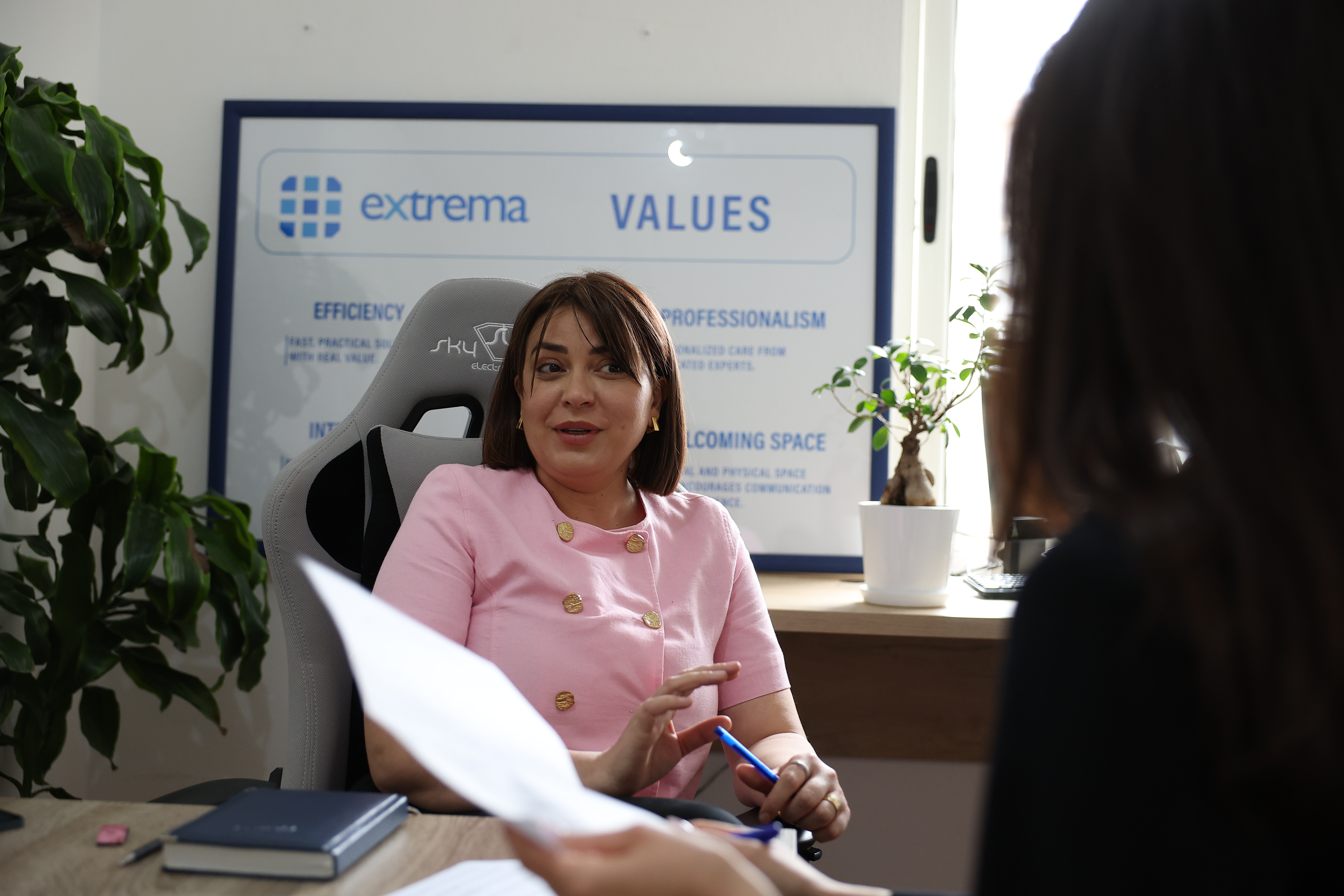
Before founding Extrema, Izmirjola Musho built her career in finance and worked for a company supporting foreign investors in Albania. That experience gave her a front-row view of both the opportunities available in the country and the practical challenges businesses faced when expanding to Albania as a new market.
In 2017, she founded Extrema after recognising a gap in the market. Foreign investors needed more than a single service provider; they needed a trusted local partner who could guide them through every stage of establishing and growing a business in Albania.
Today, Extrema provides end-to-end support for foreign entrepreneurs and businesses looking to invest and operate in Albania, offering services ranging from legal and financial guidance to business planning and strategic advice.
Her path into entrepreneurship was intentional, but not without its challenges. As a young woman building a business in a traditionally male-dominated environment, gaining credibility required persistence and visible results. Access to finance was one of the main barriers in the early stages. As Izmirjola explains, “As a young, woman-led business operating in a challenging environment, securing financing was one of our most significant hurdles.”
The support she received provided the stability needed at a critical moment, giving the business space to focus on growth rather than immediate operational pressures. As she explains, “The working capital provided through the loan allowed us to stabilise our day-to-day operations at a critical stage of our development, giving us the breathing room to focus on growth rather than just survival.”
For Izmirjola, the impact went beyond access to finance. In her words, “The Youth in Business programme was a turning point for Extrema. The financial support stabilised the business and gave us the foundation to expand operations and strengthen our market position. Beyond financing, the networking opportunities and skill development workshops helped me grow as a leader.”
Extrema now aims to broaden its services and strengthen its role as a partner for foreign investors in Albania. Its influence is also reflected through the businesses it supports, contributing to broader economic activity in the country.
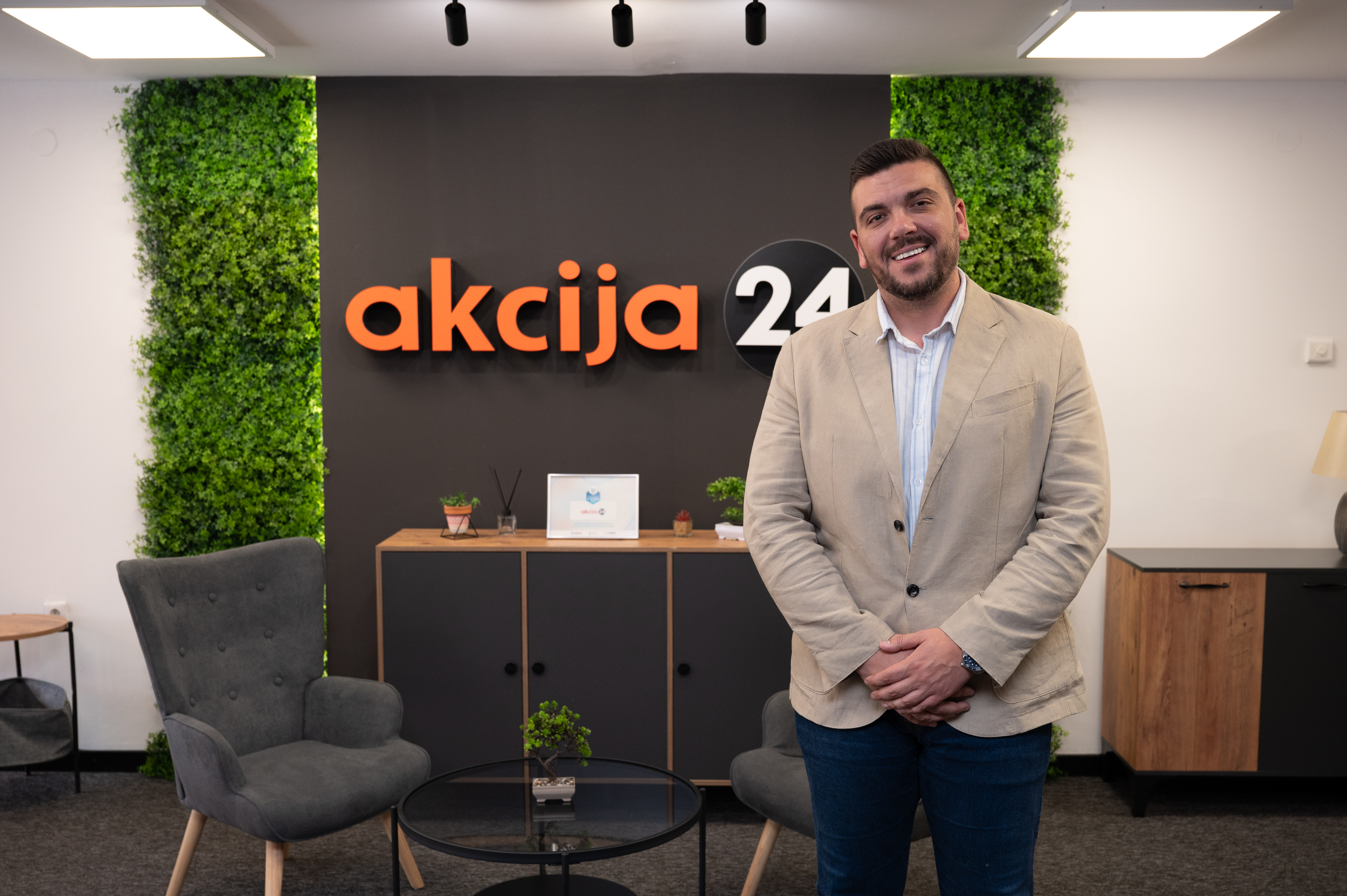
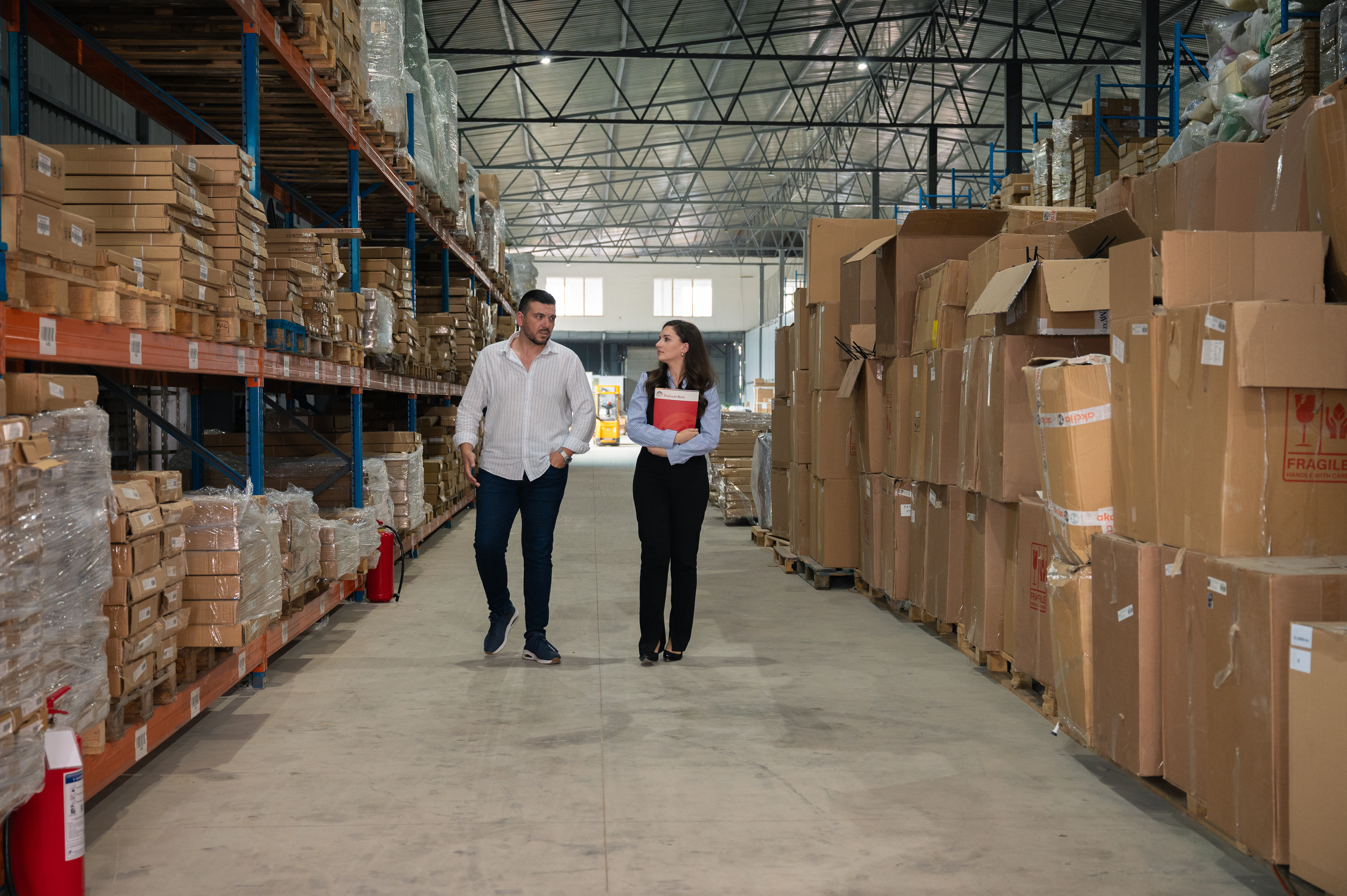
In North Macedonia, the idea for Akcija24 came from a very practical observation. In 2019, Kristijan Dimoski and his team already had experience in e-commerce through a textile business, but the inspiration for the new venture came while furnishing a temporary apartment and observing how difficult it was to make furniture shopping easy, organised and customer friendly.
What started as a simple observation soon grew into a fully-fledged e-commerce platform focused on furniture, home decor and everyday home products. But keeping pace with that rapid growth was not always easy. As the business expanded, strain began to show across multiple areas, from cash flow and logistics to team capacity, inventory and technology.
Those challenges were not entirely new to Kristijan, as his entrepreneurial journey began at a young age. At 15, he was already experimenting with small online businesses, and by 16 he was meeting with the leadership of a factory employing more than 400 people to discuss a product idea he had helped develop. Those experiences gave him an early understanding of both the bountiful opportunities and harsh realities of business. Over the years that followed, he continued trying, failing and starting again.
As he reflects, “For more than a decade, failure was often part of everyday life. I had many unsuccessful businesses and most of those projects closed because we did not yet have a broad enough vision, or because the market developed differently than we had expected. Still, small successes along the way kept giving me hope and direction.”
Years of trial and error shaped the way Kristijan approached Akcija24. They taught him resilience, patience and the importance of building a business that could grow in a more structured and sustainable way. As the business expanded, those lessons were continually put to the test. Rapid growth brought new opportunities, but also increasing pressure on operations. To keep pace with demand, the company needed to continue investing in people, technology and internal systems.
That is where support from the EBRD's Youth in Business programme arrived at the right time. It provided the financial stability needed to continue investing in staff, software, AI tools and internal systems, while strengthening the company's ability to manage growth more effectively. With that foundation in place, Akcija24 was able to expand its team, strengthen its operational capacity and continue investing in technology to support further growth. The impact was visible in the results. As Kristijan notes, “Over the following six months, we had initially projected 30 per cent growth, but we achieved 67 per cent instead.”
Today, Akcija24 is focused on strengthening its position in Serbia, one of its key growth markets, while building the foundations for further expansion across the region.
Select an image to expand

Select an image to expand
These four businesses are different in almost every visible way. They operate in divergent sectors, countries and market conditions. Their founders did not arrive at entrepreneurship through the same route, nor are they building the same ventures.
What they do share is a moment in the life of a business that is often less visible from the outside. It is the point when early success or early survival is no longer enough, and a business must become more deliberate, more organised and more resilient.
For young entrepreneurs facing these challenges, the Youth in Business programme provides support at a critical stage of growth. By combining access to finance with training, advice and networking opportunities, it helps them overcome the barriers that can make growth difficult in the early stages of business development, supporting their transition from promising ideas to stronger and more sustainable operations.
The experiences of Nikola, Gerald, Izmirjola and Kristijan illustrate that shared reality: starting a business is one challenge, but building one that can grow, adapt and last is quite another. Across the Western Balkans, these founders are navigating that transition in their own way, all with a clearer understanding of what sustainable growth requires.