

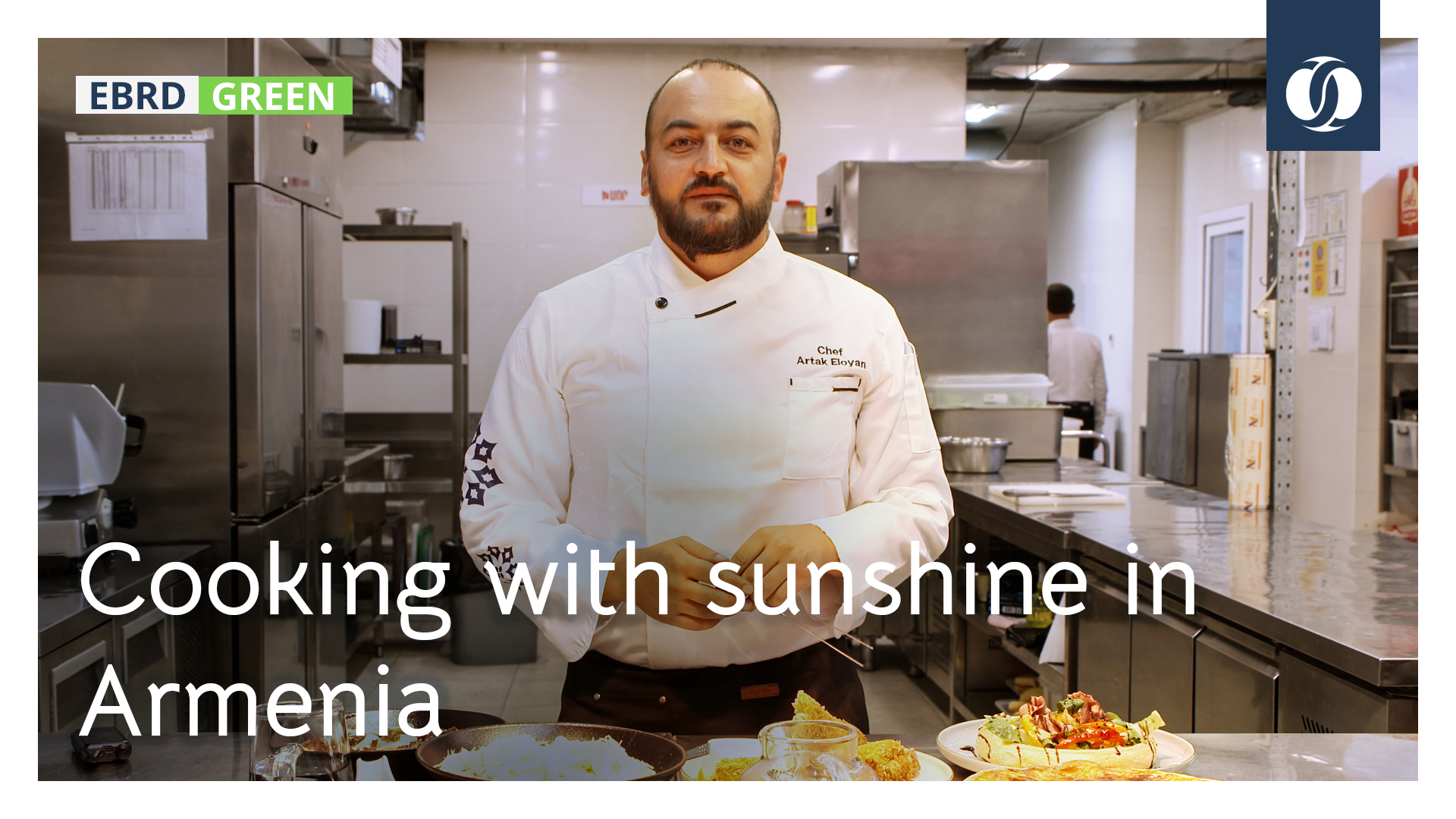
Video
A modern kitchen, powered by the sun
KumKuma restaurant in Armenia is harnessing solar energy with EBRD and EU support
21 Oct 2026
Who we are
Overview: about the EBRDWho we are
Overview: about the EBRD
Explore the EBRD’s journey over the decades, investing in businesses, supporting economies and driving lasting change across its regions.
What we do
Overview: how the EBRD operatesWhat we do
Overview: how the EBRD operates
Across three continents, the EBRD supports the transition to successful market economies.
Work with us
Overview: how you can work with the EBRDWork with us
Overview: how you can work with the EBRD
We draw on three decades of regional knowledge and financial expertise to tailor our products and approaches to each client's needs.

 Eng
Eng
 Eng
Eng
The European Bank for Reconstruction and Development (EBRD) has unveiled a new Gender Equality and Human Capital (GEHC) Strategy covering the period 2026-30.
The strategy centres on four core impact areas: expanding access to skills and sustainable livelihoods; fostering inclusive financial systems and business environments; strengthening inclusive infrastructure and public services; and preserving human capital and gender equality in settings marked by conflict and fragility.
The new strategy comes at a momentous juncture as the Bank expands its geographical footprint into sub-Saharan Africa and Iraq, while maintaining its exceptional support for Ukraine amid the continuing devastation of war.
Drawing on the Bank’s progress to date, including a four-fold increase in the number of projects with human capital and gender equality impact over the past five years, the GEHC Strategy maintains the EBRD’s core target of having at least 40 per cent of annual projects promoting gender equality.
It also introduces an indicator tracking the share of projects delivering meaningful human capital impact, with a reference point of at least 50 per cent of annual operations. In Ukraine, the strategy reaffirms the Bank’s objective of having at least 80 per cent of its investments incorporating human capital measures.
Complementing these objectives, the GEHC Strategy strengthens the EBRD’s commitment to quality through three interconnected priorities designed to deepen impact: standardisation and scalability to enable market-wide shifts; agility to respond to evolving economic and social contexts; and long-term sustainability beyond the duration of the EBRD’s engagement through the embedding of behavioural, institutional and policy change.
Sonia Jordan-Kirwan, the EBRD’s Director of Gender and Economic Inclusion, said: “With this strategy, we are reaffirming our conviction that equal opportunity and strong human capital are core drivers of long-term prosperity. As we expand into new regions and deepen our work in Ukraine, we are committed to creating inclusive systems that enable all people to thrive in rapidly changing economies.”
The Bank organised a public consultation on a draft version of the strategy between 26 February and 12 April 2026, with feedback from the consultation informing the final wording.
The EBRD is owned by 77 countries, as well as the EU and the EIB. Since its establishment in 1991, the Bank has invested more than €220 billion in economies on three continents. In 2025, the Bank delivered a record €16.8 billion across its regions and signed its first projects in sub-Saharan Africa and Iraq.
Video
KumKuma restaurant in Armenia is harnessing solar energy with EBRD and EU support
21 Oct 2026

EBRD President to participate in the Berlin Process Leaders' Summit
21 Oct 2026
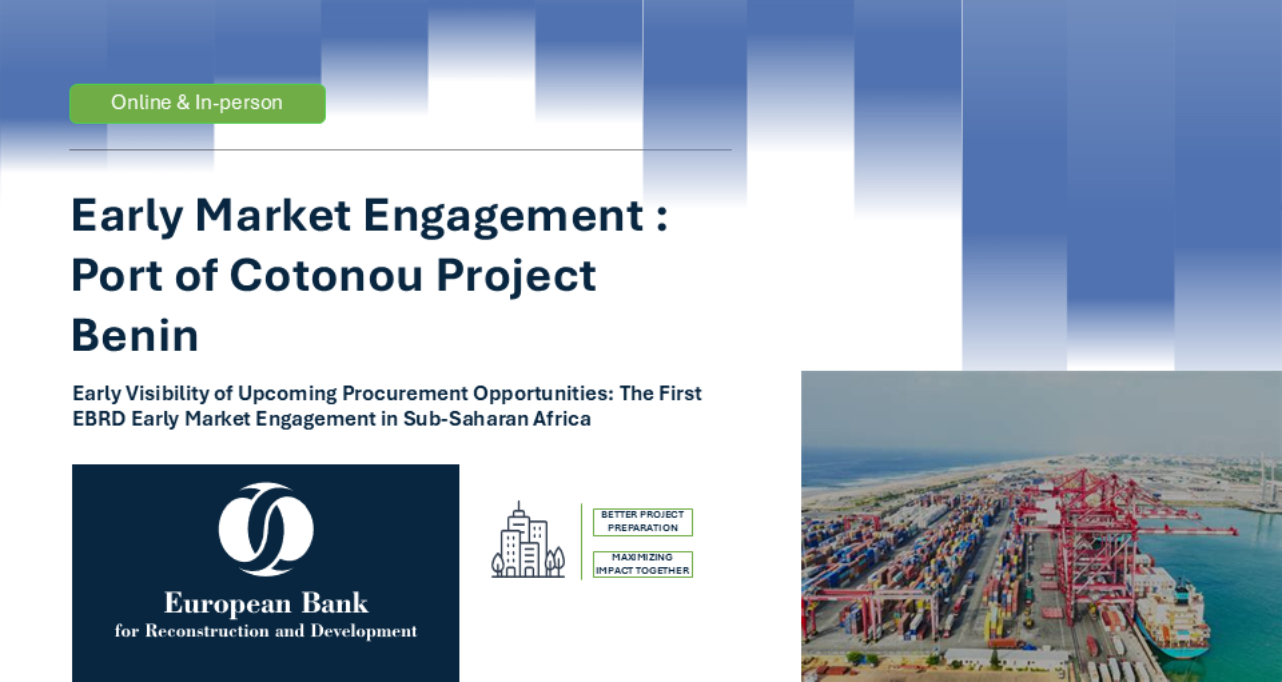
Event
Early Visibility of Upcoming Procurement Opportunities: The First EBRD Early Market Engagement in Sub-Saharan Africa
20 Oct 2026