
Search
Search

 Eng
Eng
 Eng
Eng

How the EBRD, the GCF and Japan are supporting Mongolian agribusinesses under the GEFF
Agriculture lies at the heart of Mongolia’s economy, culture and rural livelihoods. From herders moving cattle across vast rangelands to greenhouse producers growing fresh food in a harsh climate, agriculture remains a cornerstone of food security, employment and resilience.
At the same time, agriculture is among the sectors most exposed to climate change, land degradation and productivity constraints.
For the European Bank for Reconstruction and Development (EBRD), supporting Mongolia’s agribusiness sector is, therefore, both an economic imperative and a climate priority. Dedicated EBRD Food and Agribusiness and SME Finance and Development teams are on the ground in Ulaanbaatar, working closely with corporate clients and growing small and medium-sized enterprises (SMEs) to coordinate financing and technical cooperation.
At the same time, through its Green Economy Financing Facility (GEFF), the EBRD – together with its donors, the Green Climate Fund (GCF) and Japan – supports a wide range of agribusinesses across Mongolia.
Select an image to expand


Select an image to expand
Globally, food systems account for more than 30 per cent of greenhouse gas emissions, yet climate investment in food systems remains far below what is needed to meet transformational needs over the coming decade.
In Mongolia, the agricultural sector’s importance is particularly pronounced. It employs around 30 per cent of the workforce, compared with an EU average of about 4 per cent, and underpins rural livelihoods across the country.
“Over 85 per cent of the provincial economy is reliant on agriculture, underscoring the crucial role that sustainable agriculture plays in contributing to economic resilience, climate adaptation and the achievement of Mongolia’s long-term sustainable development priorities,” says Beata Paroczai, EBRD Principal, Green Financial Systems, who oversees the GEFF programme in Mongolia, together with Alexander Svininnikov, EBRD Principal, Financial Institutions.
The Bank’s approach includes the extension of financing to companies seeking to modernise food processing and logistics, while working with partner financial institutions, via the Risk Sharing Facility, to expand sustainable lending to agribusiness-based SMEs and smallholder producers. Together, these interventions help improve productivity, competitiveness and long-term sustainability.
A key milestone has been the EBRD’s pilot sustainable agriculture credit line with Khan Bank, the first such facility in Mongolia delivered through a partner financial institution. The credit line embeds environmental considerations directly into agricultural lending.
Through Khan Bank, eight rural agribusiness projects have been financed so far under the EBRD’s ongoing GCF GEFF programme. The financing supported the purchase of modern, energy-efficient equipment, including combine harvesters, tractors and wheeled tractors, heat pumps, insulation materials and four-season greenhouses. Most technologies were selected from the EBRD’s Green Technology Selector catalogue of pre-approved technologies, ensuring verified improvements in energy performance and environmental outcomes.
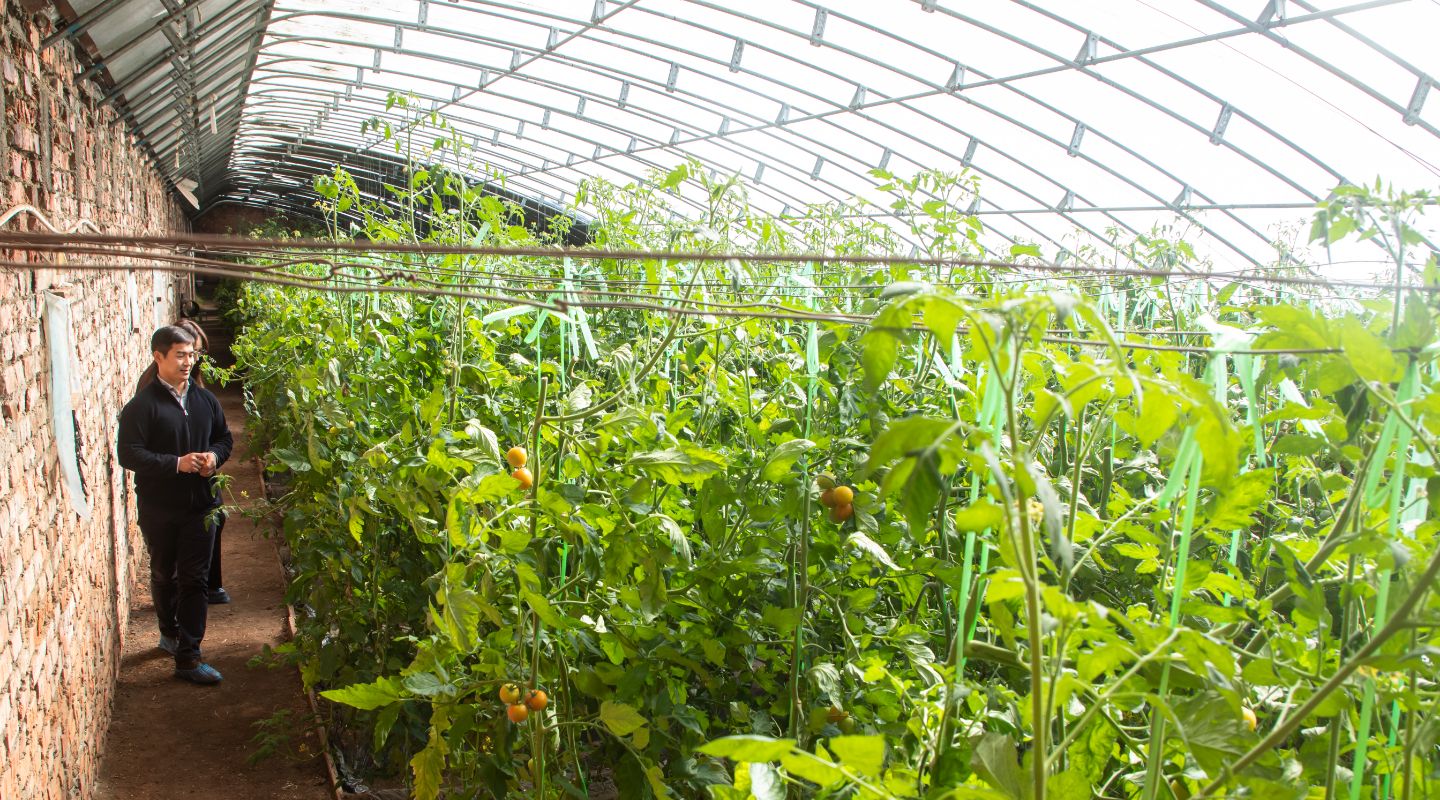
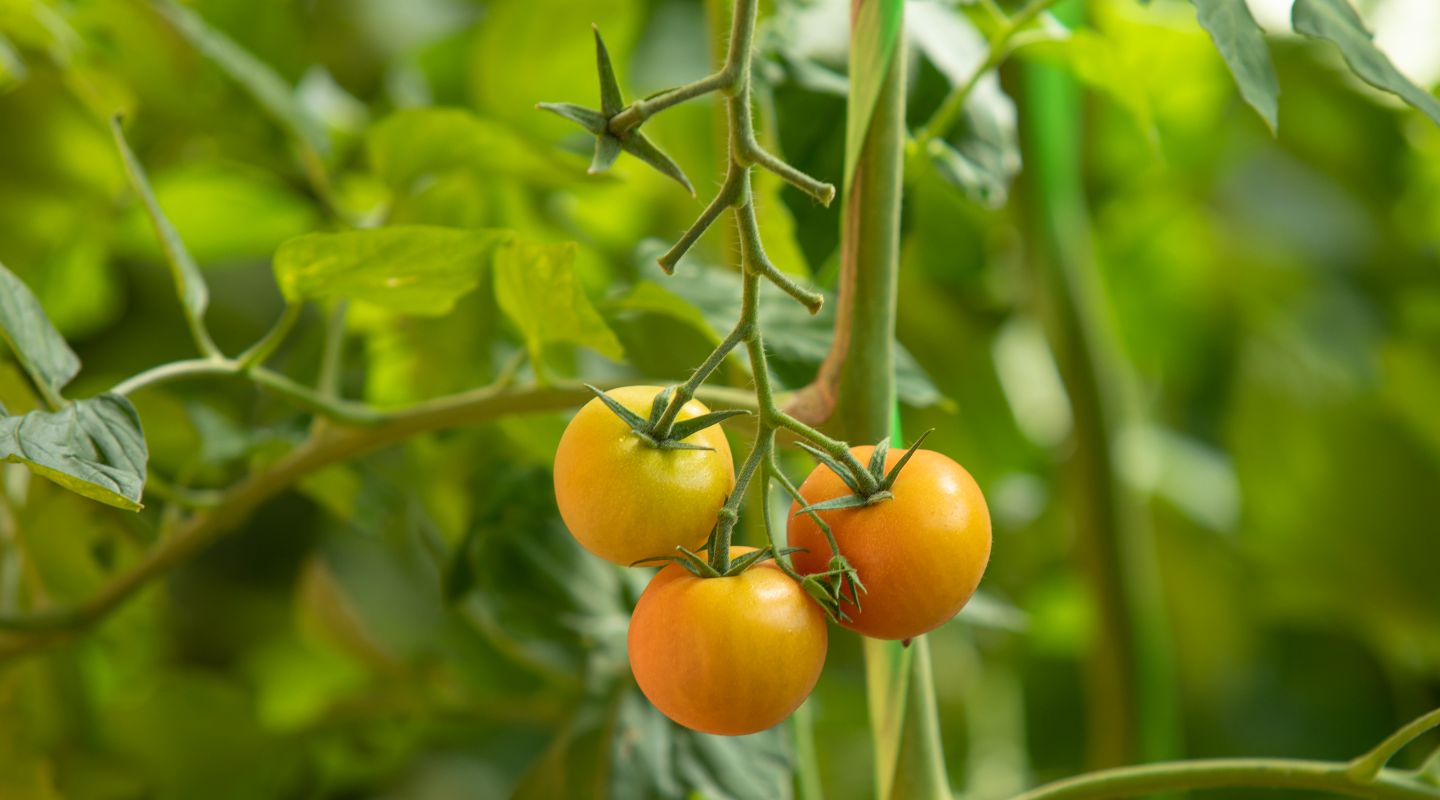
One example is Sansargoo, a Mongolian greenhouse business, established in 2009, which has expanded its activities since 2020 into crop cultivation, children’s food production and green infrastructure. The company produces a range of fresh fruit and vegetables, and conducts research into new vegetable varieties suited to Mongolia’s climate.
.jpg)
“Our company has identified more than 20 new vegetable varieties across 10 types that can be grown successfully in Mongolia’s conditions,” Sansargoo Chief Executive Officer Amarsanaa Badarch says. “Our goal is to grow new vegetable varieties with high nutritional and vitamin content for children and to produce enriched food products that help reduce nutrient deficiencies and expand the variety of children’s meals.”
The company sought GEFF financing to address critical operational challenges, including extending the growing season and improving energy efficiency.
“We needed to start seedlings earlier, which required insulating our winter greenhouse and improving the heating system. With this investment, our raw material supply became much more reliable,” Mr Badarch says.
The results have been significant.
Despite Mongolia’s harsh climate, Mr Badarch sees sustainable technologies as key to long-term viability. “Green technologies and renewable energy are the best solution for our conditions. If the right solutions are chosen, they can deliver the best results,” he says.
The company plans to build a 2,000 m² smart greenhouse powered by renewable energy, increasing production fivefold while introducing new technologies to Mongolia’s greenhouse sector. It is also implementing an educational “model green programme” in schools, supporting environmental education, food security and waste reduction.
So far, the GEFF agricultural projects in Mongolia have collectively helped to deliver around 750 MWh in annual energy savings and to reduce CO2 emissions by 238 tonnes per year. This is the equivalent to the annual carbon absorption of over 10,000 trees.
By aligning finance with on-the-ground realities, the GEFF is helping to scale up climate-smart agriculture, strengthen resilience and support productivity improvements, demonstrating how sustainable finance can deliver economic, environmental and social impact across Mongolia’s agricultural landscape.