
Search
Search

 Eng
Eng
 Eng
Eng
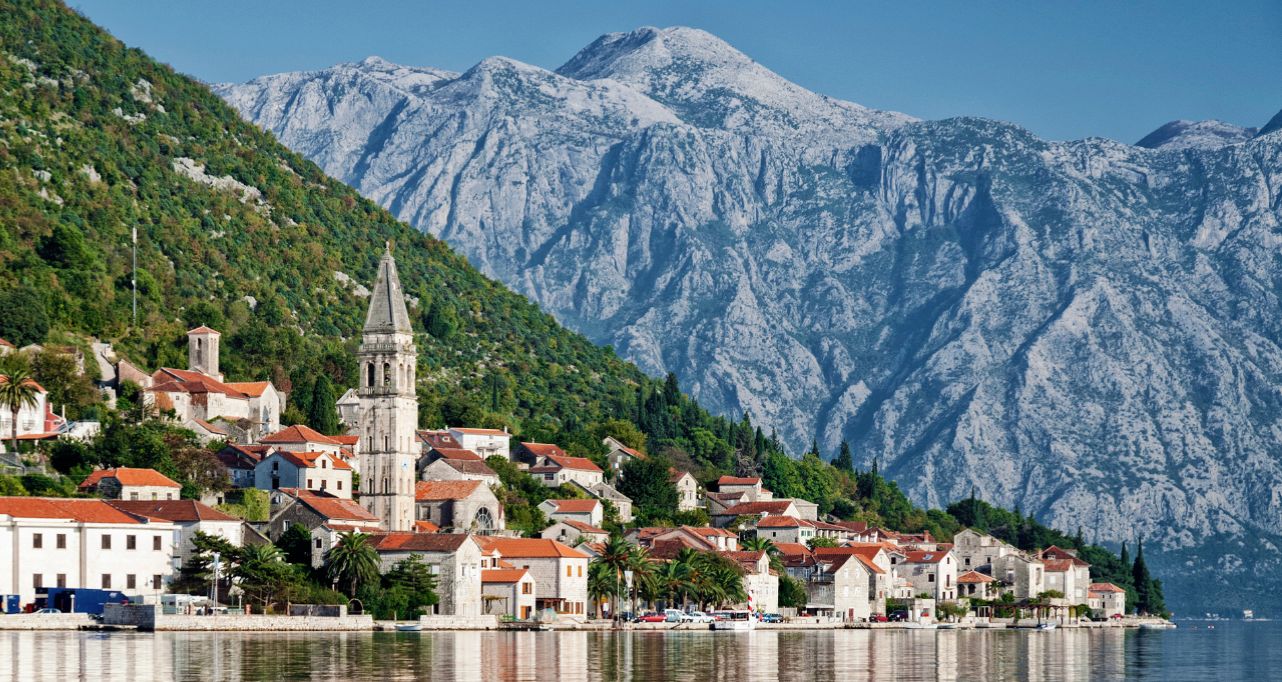
The European Bank for Reconstruction and Development (EBRD) achieved a record year in Montenegro in 2025, committing €215 million across 18 projects - the highest annual business volume and project count since the Bank began operations in the country.
Nearly half of all investments (47%) supported the green transition, reinforcing Montenegro’s shift towards a more sustainable and climate resilient economy, while also enhancing the country’s long term energy security. Two thirds of all projects (12 out of 18) supported gender equality and economic inclusion, reflecting the Bank’s commitment to creating opportunities and broadening economic participation. The EBRD also helped mobilise an additional €15 million from co-financiers, further expanding the impact of its work across key sector.
Remon Zakaria, Head of EBRD in Montenegro said: “2025 has been a landmark year for the EBRD in Montenegro. We supported strategic transport infrastructure, digitalised the electricity distribution system to improve reliability and energy security, invested in renewable energy, expanded financing for SMEs and households through local partner banks, and backed key private‑sector partners in delivering sustainable investments. These results reflect the trust of our partners, the government and the private sector, and underscore our long‑term commitment to Montenegro’s green transition, connectivity, and economic development and resilience. Looking ahead, we remain dedicated to building on this momentum, helping the country unlock its full potential and supporting its path towards EU accession.”
In 2025, the EBRD significantly deepened its impact in Montenegro through high priority investments that advanced connectivity, the green transition and private sector growth. A centrepiece of the year was the €200 million financing for the Mateševo–Andrijevica section of the Bar–Boljare highway - a strategic transport link that will strengthen regional connectivity, unlock economic potential in the underdeveloped north, and improve mobility and road safety nationwide. Co‑financed with up to €150 million in EU grants and forming part of the TEN‑T core network, the project is expected to boost tourism, trade and regional integration.
The Bank reinforced Montenegro’s green transition with several landmark energy investments. A €35 million loan supported the digitalisation of the national electricity distribution system, improving reliability, safety, and renewable‑energy integration, while also contributing to long-term energy security. The €26 million expansion of the Gvozd wind farm increased its capacity to 75 MW and built on the momentum created by Montenegro’s first international renewable energy auctions launched in July 2025 with EBRD support – a major step toward a transparent, market based renewable sector that will enable Montenegro to secure competitive pricing for consumers. Green financing for MSMEs and households also grew through the SME Go Green, GEFF and REPower credit lines delivered with local partner banks.
The year also saw the EBRD deepen its support to leading Montenegrin companies, including a €25 million portage equity investment in Voli Trade to develop a modern, energy efficient logistics and distribution centre in Podgorica — strengthening competitiveness, supporting digitalisation and promoting equal opportunities in the retail sector.
Support for private‑sector competitiveness was another defining feature of EBRD’s work in 2025. The Bank assisted 30 SMEs through its advisory programme, while more than 220 enterprises benefited from workshops, masterclasses, and mentoring, strengthening skills and business practices across the economy. Additional financing under the SME Competitiveness Support Programme and the launch of Montenegro’s first Portfolio Risk Sharing Facility with CKB further increased access to finance, particularly for small companies. The year also saw important progress toward the establishment of the Montenegro Credit Guarantee Fund, which is expected to become operational by the end of 2026 and will significantly enhance lending opportunities for underserved MSMEs.
The EBRD also advanced its mission to promote inclusion, skills development, and good governance. Groundbreaking institutional initiatives were introduced to prevent and respond to gender‑based violence across the health and education sectors, while expanded Youth and Women in Business credit lines with Alter Modus, CKB, and Erste improved financing for young entrepreneurs and women‑led MSMEs. Inclusive governance practices were embedded across major infrastructure projects, further supporting equitable participation in the economy.
Close cooperation with the Government of Montenegro helped deliver important business‑environment reforms. Two major laws — the Company Law and the Law on Business Registration — were adopted with strong EBRD support, while the establishment of the RES Association created an organised platform for renewable‑energy investors.
Donor partnerships - particularly from the EU, Western Balkans Investment Framework, EBRD’s High-Impact Partnership on Climate Action (HIPCA) partnership, and bilateral contributors (e.g. Austria, Italy, Japan) played a key role in preparing and implementing strategic energy, infrastructure and reform projects across the country.
The EBRD remains a leading institutional investor in Montenegro, with over €1 billion invested through more than 100 projects to date, supporting sustainable economic development, private sector growth, and regional integration.