Search
Search
Who we are
Overview: about the EBRDWho we are
Overview: about the EBRD
Explore the EBRD’s journey over the decades, investing in businesses, supporting economies and driving lasting change across its regions.
What we do
Overview: how the EBRD operatesWhat we do
Overview: how the EBRD operates
Across three continents, the EBRD supports the transition to successful market economies.
Work with us
Overview: how you can work with the EBRDWork with us
Overview: how you can work with the EBRD
We draw on three decades of regional knowledge and financial expertise to tailor our products and approaches to each client's needs.

 Eng
Eng
 Eng
Eng
Author: Joel Cela
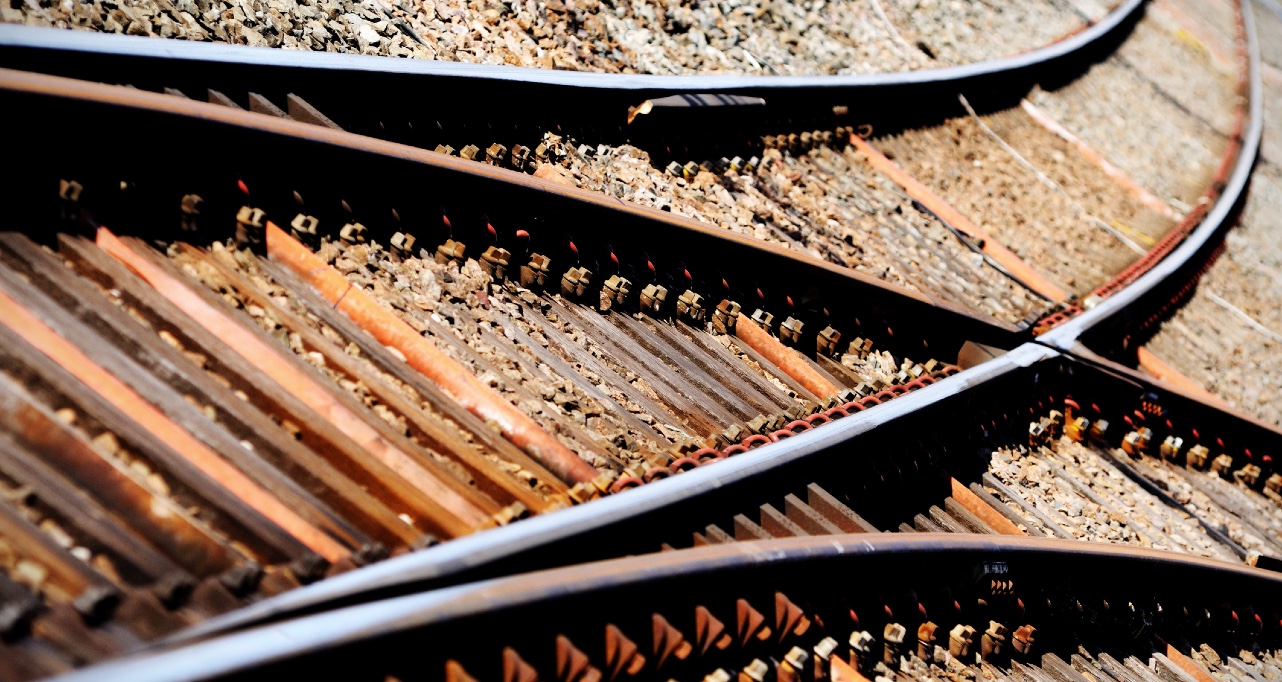
The European Bank for Reconstruction and Development (EBRD), the European Union (EU) and the European Investment Bank (EIB) are strengthening their support for Albania’s rail infrastructure with a landmark investment in the reconstruction and electrification of the Durrës-Rrogozhinë railway line.
The EBRD is extending a sovereign loan of up to €30 million to Albania for the benefit of state-owned railway company Hekurudha Shqiptare. This complements a matching €30 million sovereign loan from the EIB and €60 million of investment and technical assistance grants from the EU through the Western Balkans Investment Framework, which were signed earlier this year.
The strategic project will rehabilitate and electrify approximately 34 km of railway between the port city of Durrës and Rrogozhinë in central Albania, including the reconstruction of station buildings. It marks a critical step in Albania’s efforts to modernise its rail network, enhance regional connectivity and align with EU transport and environmental standards.
Donald Mishaxhiu, the EBRD’s Regional Head of Infrastructure for the Western Balkans, Romania and Bulgaria, said: “This investment reflects our continued support for Albania’s rail transformation. Together with our partners, we are helping to build a modern, sustainable and connected transport network that will benefit generations to come.”
Petrit Malaj, Albanian Minister of Finance, said: “This project marks a transformative milestone in Albania’s infrastructure development. It will not only strengthen our national and regional connectivity, but also play a vital role in Albania’s long-term development and integration into the wider European transport network. We are grateful to our international partners for their continued support and collaboration in making this vision a reality.”
The Durrës-Rrogozhinë line is part of Pan-European Corridor VIII, a 1,500 km road, rail and ferry route linking southern Italy with Bulgaria’s Black Sea ports. It will establish Albania’s first rail connection with North Macedonia, significantly improving cross-border mobility and economic integration in the Western Balkans.
This latest investment builds on the EBRD’s longstanding commitment to Albania, where the Bank has already financed major rail projects such as the Tirana-Durrës and Vore-Hani i Hotit lines.
The project is fully aligned with the EU’s Economic and Investment Plan for the Western Balkans and supports Albania’s national strategies for sustainable transport and regional development.
It also reflects the priorities of the EBRD’s Green Economy Transition approach and is expected to deliver significant environmental benefits by shifting freight and passenger traffic from road to rail, reducing carbon emissions and supporting Albania’s green transition.
The EBRD is a leading institutional investor in Albania, with almost €2.3 billion invested through 166 projects.