Search
Search
Who we are
Overview: about the EBRDWho we are
Overview: about the EBRD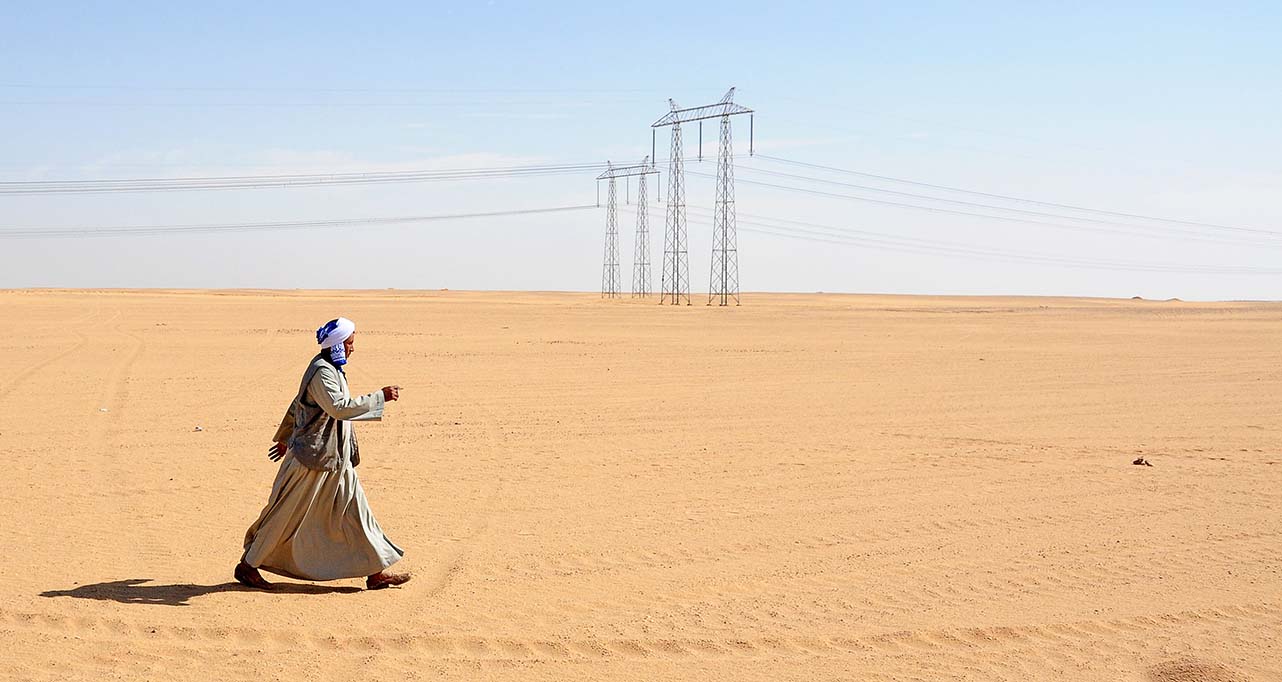
Explore the EBRD’s journey over the decades, investing in businesses, supporting economies and driving lasting change across its regions.
What we do
Overview: how the EBRD operatesWhat we do
Overview: how the EBRD operates
Across three continents, the EBRD supports the transition to successful market economies.
Work with us
Overview: how you can work with the EBRDWork with us
Overview: how you can work with the EBRD
We draw on three decades of regional knowledge and financial expertise to tailor our products and approaches to each client's needs.

 Eng
Eng
 Eng
Eng
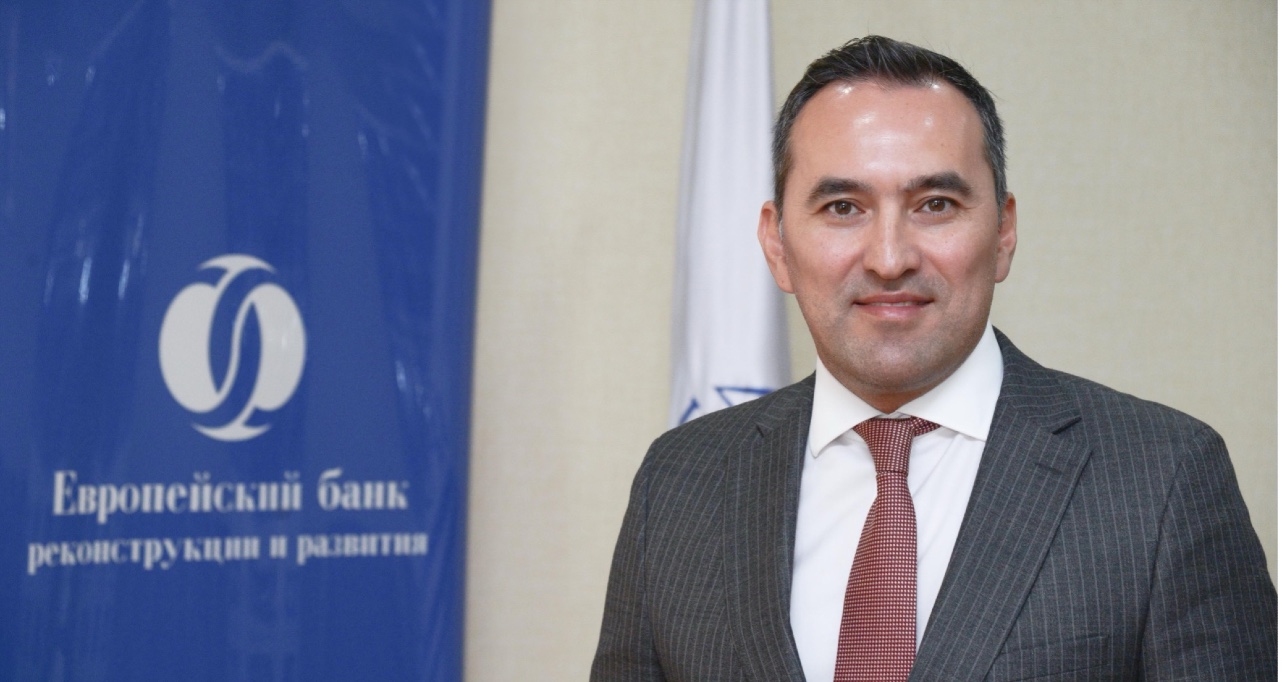
Jahan Shamsiev has been named new Head of Mongolia for the European Bank for Reconstruction and Development (EBRD). He will be based in the country’s capital, Ulaanbaatar, and is due to take up his duties on 1 September 2025. Jahan is succeeding Hannes Takacs, who served in this capacity between 2020 – 2025.
Ms. Shamsiev said: “I would like to use my professional and regional experience to promote inclusivity, green initiatives, and digital transformation in this country. The EBRD is the largest institutional financier of Mongolia’s private sector concentrating on its development, diversification, sustainable growth, and responsible mining. I’d like to contribute to this work and this is a challenge I am really looking forward to.”
A dual Tajik and British national, Mr. Shamsiev joined the Bank in 2010 as an EBRD Financial Institutions banker focusing on the Western Balkans, Belarus, Moldova, and Ukraine. In 2019 in his capacity of an Associate Director, Financial Institution Business Leader for Uzbekistan, Tajikistan, Kyrgyzstan, and Turkmenistan he moved to Tashkent, where he focused on establishing and maintaining relationships with EBRD partner financial institutions and the authorities.Mr. Shamsiev, holds MSc in development finance from the University of Manchester and Master’s degree in international finance and trade from the University of Tehran.
The EBRD has invested almost €2.6 billion in Mongolia’s economy through 158 projects to date. Approximately 90 per cent of these funds have been used to support private-sector companies.