
Search
Search

 Eng
Eng
 Eng
Eng
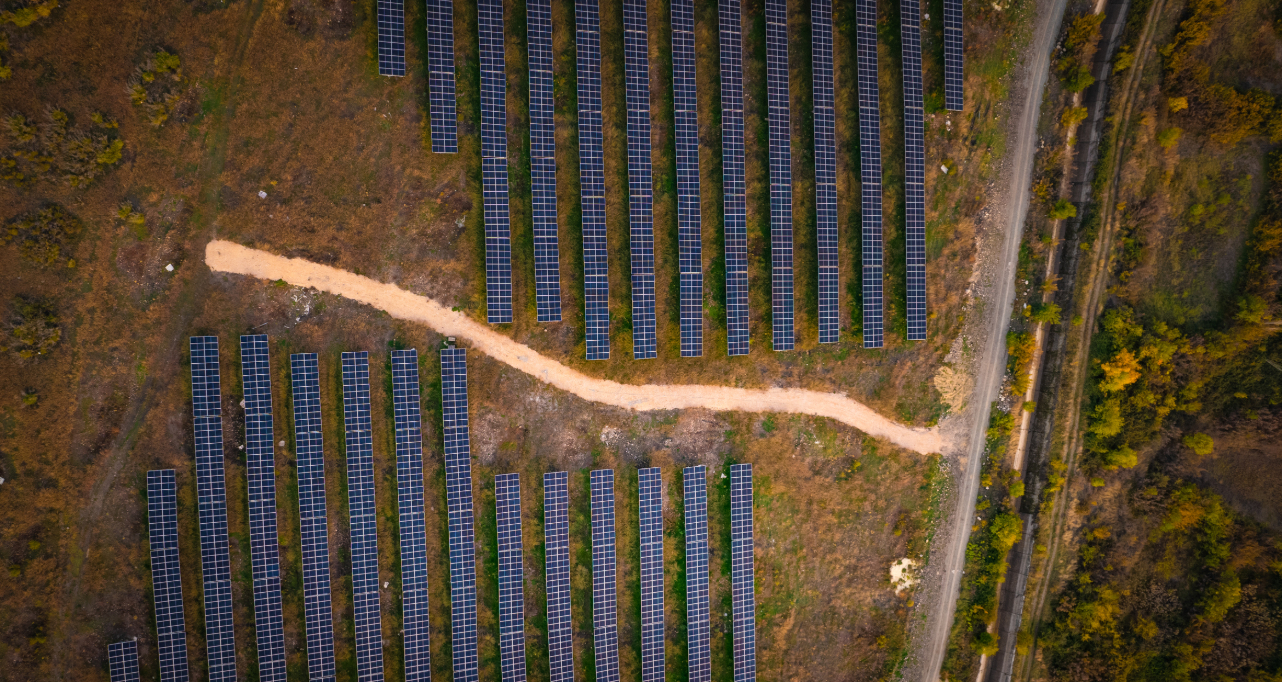
The European Bank for Reconstruction and Development (EBRD) is providing a sovereign-guaranteed loan of up to €37 million to Elektrani na Severna Makedonija (ESM), the state-owned electricity generation utility of North Macedonia, to finance the development, construction and operation of a 134 MWdc solar power plant at the site of an exhausted coal mine in Bitola. The loan will be provided alongside a €50 million sovereign-guaranteed loan from German development bank KfW, marking the first joint financing and implementation of a project by the EBRD and KfW.
The Bitola 3 Solar Power Plant is a flagship project under the Just Energy Transition Investment Platform (JETIP), launched by North Macedonia at COP28 in 2023 with critical technical leadership from the EBRD. JETIP aims to mobilise up to €3 billion in investments and deliver technical and policy support to deploy 1.7 GW of new renewable capacity by 2030, ensuring a just transition for coal-dependent communities.
Bitola 3 is expected to generate 180.9 GWh of renewable electricity annually and reduce North Macedonia’s CO2 emissions by approximately 134,000 tonnes per year, reinforcing an ambition to phase out coal and cut greenhouse gas emissions by 82 per cent by 2030 under the National Energy and Climate Plan and updated Nationally Determined Contributions. The project will accelerate solar deployment, strengthen domestic power generation, reduce import dependency and advance a cleaner, more resilient energy system.
Beyond infrastructure, the project will promote improvements in ESM’s corporate governance by providing training and helping enhance anti-corruption practices and policies. These measures will lay the foundation for ESM’s newly established internal compliance function, strengthening compliance frameworks and enhancing overall governance standards.
The transaction also advances gender inclusion by enabling ESM’s participation in the Women-Led Coal Transition platform, focusing on community engagement, capacity building and climate leadership to embed gender considerations and promote equitable opportunities within the energy transition.
The project will be co-financed and implemented with KfW under a Project Implementation Agreement that establishes the framework for collaboration and reinforces the EBRD’s strategic partnership with KfW in the Western Balkans to accelerate the green economy transition.
Bitola 3 represents a significant milestone in North Macedonia’s energy transition and is aligned with the EBRD’s North Macedonia Country Strategy, Energy Sector Strategy, Green Economy Transition approach and Equality of Opportunity Strategy.
Fatih Türkmenoğlu, EBRD Head of North Macedonia, said: “This investment marks a turning point for the energy sector in North Macedonia. By repurposing legacy coal infrastructure for renewable energy, we are not only supporting the country's climate ambitions but also ensuring that the green economy transition is fair, inclusive and sustainable. Bitola 3 will increase generation from renewables and reduce CO2 emissions.”
Moritz Remé, KfW Director of Kosovo and North Macedonia, added: “With such partnerships, we can achieve more and contribute to a sustainable and resilient energy future.”
Lazo Uzunčev, General Manager of ESM, said: “Our strategic goals are already being implemented with great momentum on the ground. Today, we are opening bids to select contractors for photovoltaic power plants Oslomej 2 and Bitola 1, and intensive work is under way on implementing the second phase of the Bogdanci wind park. Through all these projects, including Bitola 3, we will increase domestic production from renewables by more than 200 MW in the next two to three years. This not only means energy stability, but also a significant environmental contribution by reducing annual carbon emissions by more than 260,000 tonnes.”
The EBRD is a major institutional investor in North Macedonia, having invested over €3 billion in more than 200 projects across the country.