
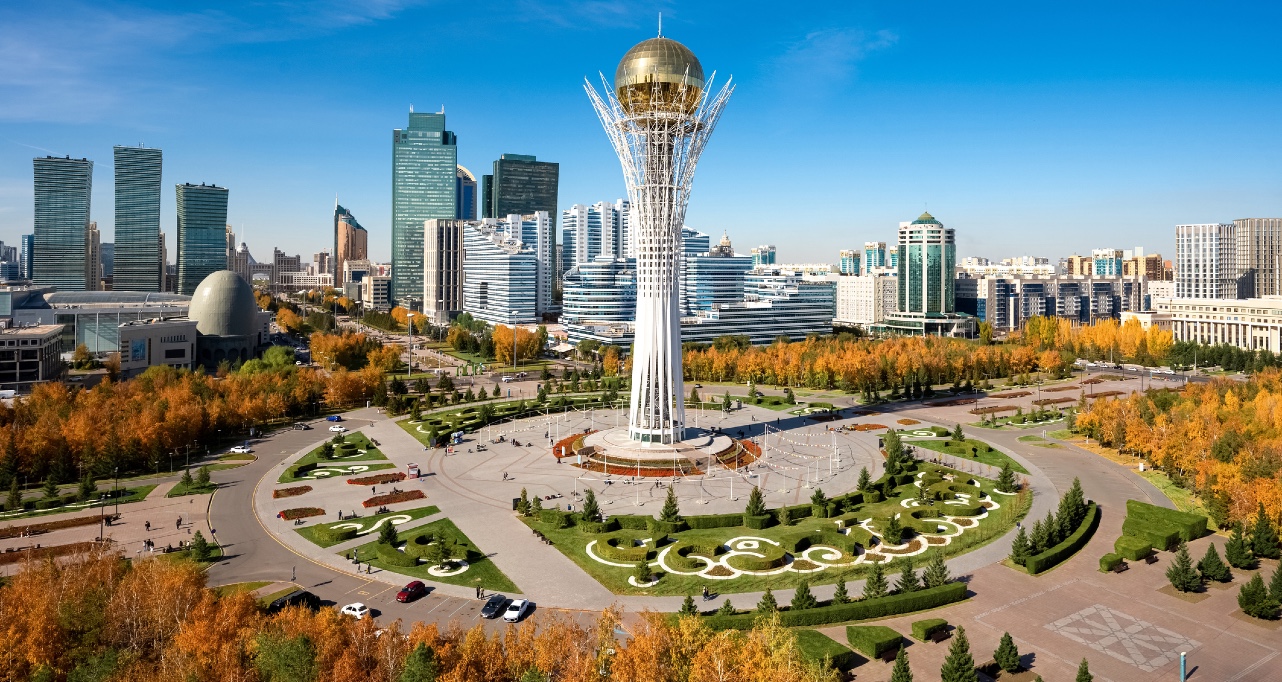
Kazakhstan announces just energy transition investment platform
EBRD-supported national initiative to deploy 10 GW of new renewable capacity by 2035
23 Apr 2026
Who we are
Overview: about the EBRDWho we are
Overview: about the EBRD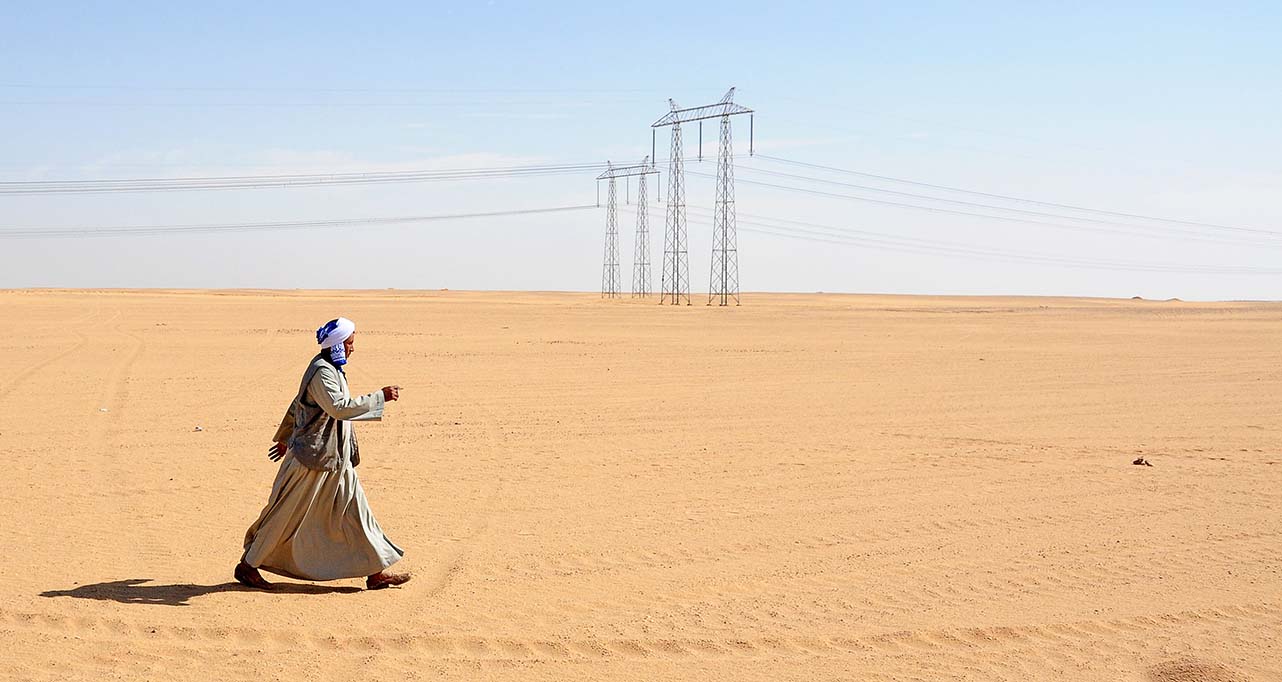
Learn about the EBRD's journey to investing more than €220 billion in over 7,800 projects.
What we do
Overview: how the EBRD operatesWhat we do
Overview: how the EBRD operates
Across three continents, the EBRD supports the transition to successful market economies.
Work with us
Overview: how you can work with the EBRDWork with us
Overview: how you can work with the EBRD
We draw on three decades of regional knowledge and financial expertise to tailor our products and approaches to each client's needs.

 Eng
Eng
 Eng
Eng
Author: Anton Usov
Kazakhstan has today, at the Regional Ecological Summit 2026 in Astana, announced its just energy transition investment platform (QaJET), as part of its climate, economic resilience and development goals.
QaJET reflects the country’s ambition to advance clean energy transition by deploying 10 GW of new renewable capacity by 2035. This will entail around US$ 20 billion (€17.4 billion) of investment from a range of private and state sources, and will lead to the reduction of greenhouse gas (GHG) emissions by more than 20 million tonnes a year. This represents approximately 7 per cent of the country’s energy-related GHG emissions.
A memorandum of understanding (MoU) was signed by Kazakhstan’s Minister of Energy Yerlan Akkenzhenov, Minister of Ecology and Natural Resources Yerlan Nyssanbayev, and EBRD Managing Director, Central Asia and Mongolia, Hüseyin Özhan. The MoU establishes the foundation for cooperation with international financial institutions, donors, philanthropic organisations and private investors supporting QaJET’s implementation.
This is a significant milestone for Kazakhstan, which has a carbon-intensive heavy industry and relies significantly on coal for electricity generation. At the request of the government of Kazakhstan, the EBRD has been helping the ministries to develop the concept of QaJET and will continue to lead the coordination of its implementation with national and international partners.
QaJET reinforces Kazakhstan’s existing commitment to achieving carbon neutrality by 2060 and, as set out in its Nationally Determined Contribution, to reducing its net GHG emissions by up to 25 per cent by 2030 compared to 1990 levels.
In addition, the QaJET platform will contribute to greater energy security for the country, improve economic competitiveness and resilience, and stimulate the local production of technologically advanced renewable energy components and related services.
Areas of cooperation under QaJET will include:
The EBRD will draw on lessons learned from previous EBRD-supported country platforms, such as Egypt’s Nexus for Water, Food and Energy (NWFE) – Energy Pillar, the North Macedonia Just Energy Transition Investment Platform (JETIP), and the Türkiye Industrial Decarbonisation Investment Platform (TIDIP).
The EBRD has invested almost US$ 12 billion (€10.2 billion) in Kazakhstan to date through 345 projects, making the country the largest and longest‑running recipient of EBRD investment in Central Asia.
EBRD-supported national initiative to deploy 10 GW of new renewable capacity by 2035
23 Apr 2026
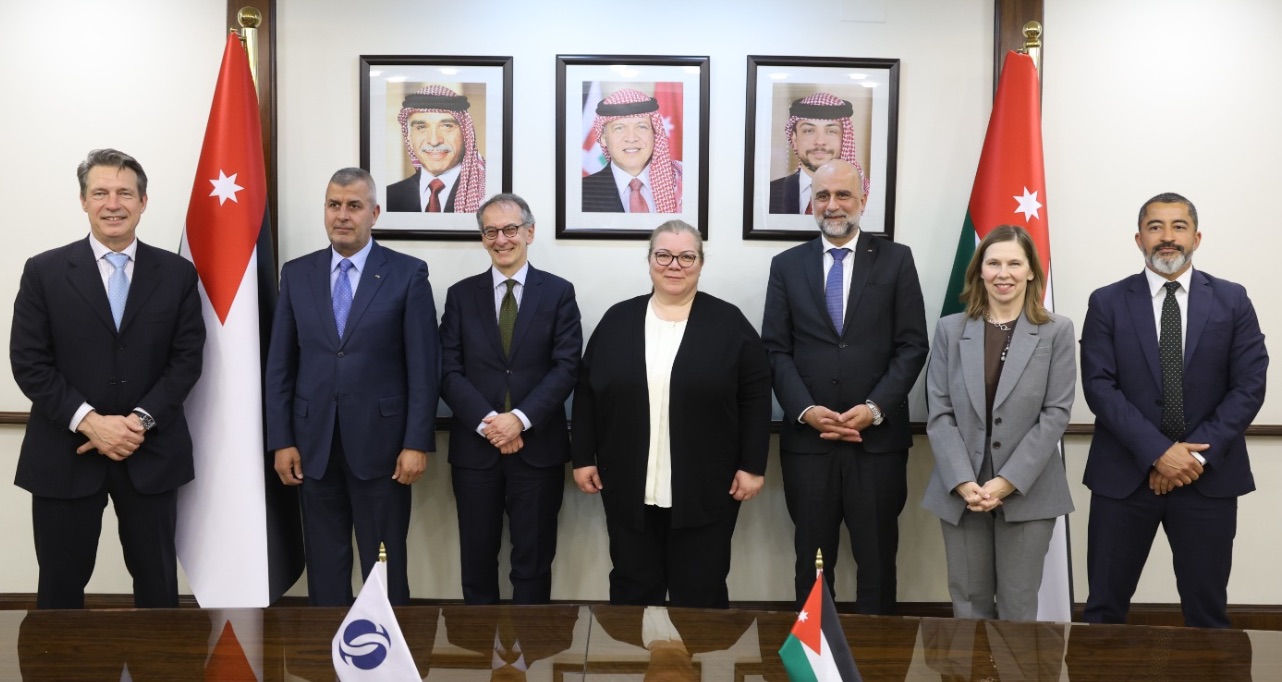
Strategic cooperation framework will support renewables, energy-sector resilience and climate goals
21 Apr 2026
EU-supported package to expand access to finance for local businesses
21 Apr 2026