



MDB heads strengthen joint action in Manila to deliver more financing and greater impact
The Heads of MDBs Group met at the ADB headquarters in Manila today
17 Oct 2026

 Eng
Eng
 Eng
Eng
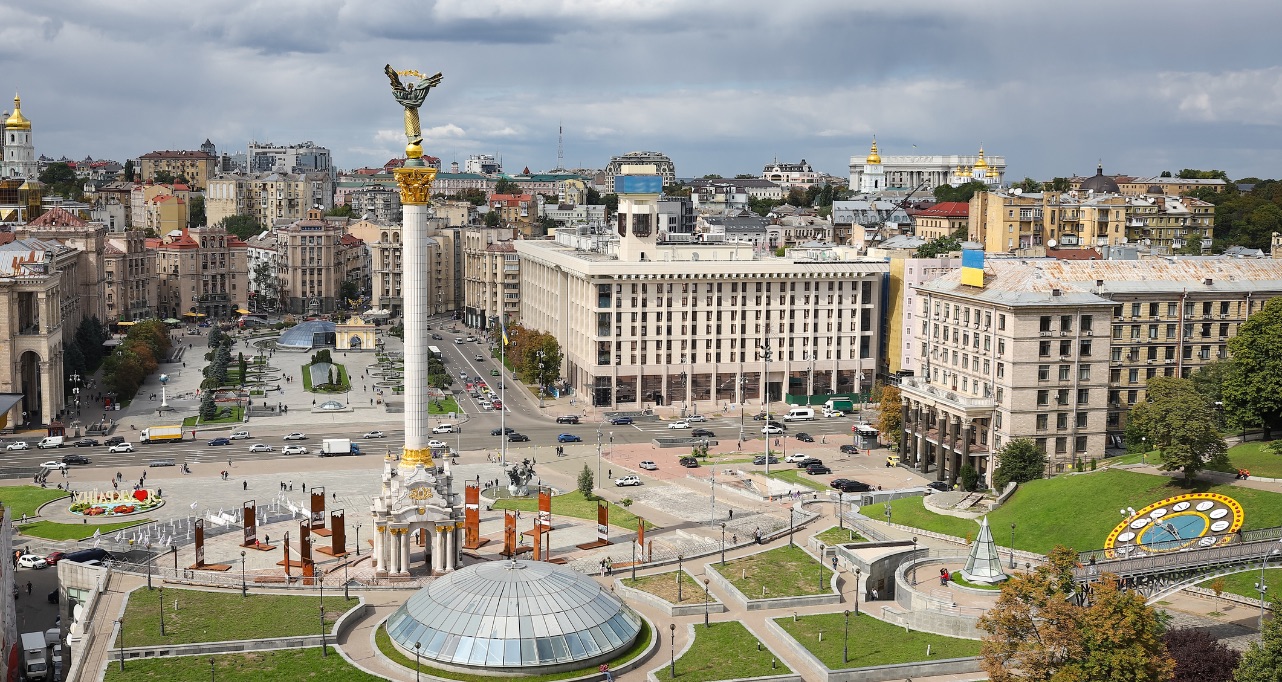
Ukraine’s macroeconomic outlook has weakened amid escalated Russian attacks, according to the latest edition of a flagship economic report by the European Bank for Reconstruction and Development (EBRD).
The EBRD’s Regional Economic Prospects (REP), published today, forecasts real GDP growth of 1.5 per cent for Ukraine in 2026. This has been revised down from a 2.2 per cent forecast in June 2026, amid intensified Russian attacks on Ukraine’s businesses, energy infrastructure and Black Sea ports since July. In 2027, the Bank expects growth to rise to 2.5 per cent, a 1.5 percentage point reduction from the June forecast, with the outlook depending heavily on how the war evolves and the availability of external financial support.
Ukraine continues to maintain macroeconomic stability even in the fifth year of Russia’s war of aggression, but the ongoing attacks on its energy and economic infrastructure have shifted the economy from slow recovery to near stagnation, with real GDP growth broadly flat in the first half of 2026.
Although defence production, public spending and resilient services supported economic activity, growth remained constrained by damaged energy infrastructure, labour shortages, weak confidence and renewed logistics bottlenecks.
Inflation has also begun to accelerate again, reaching 7.7 per cent in July, as a result of higher fuel and energy costs linked to the conflict in the Middle East, exchange-rate pass-through and wider labour-market pressures.
Russia’s renewed attacks on Black Sea ports, shipping and civilian transport infrastructure have significantly disrupted Ukraine’s export capacity. Ukraine uses the Black Sea ports to export grain, iron, steel and other commodities, which form a significant share of its export earnings. While Ukraine has developed alternative routes along the River Danube and the EU-Ukraine Solidarity Lanes, their combined capacity is lower than that of the Black Sea ports, meaning they cannot fully replace lost deep-sea shipping capacity. In addition, low water levels on the Danube and an escalation of Russian attacks on railroad infrastructure have reduced capacity on the main alternative routes.
Grain and oilseed exports are expected to fall by 50-60 per cent in the second half of 2026 as a result of the renewed port blockade. This would leave significant unsold inventories and create storage, liquidity and working-capital pressures for agricultural companies, further straining Ukraine’s exports and economic activity.
A prolonged disruption to exports could have implications far beyond Ukraine, significantly raising food prices and intensifying inflationary pressures. Wheat prices have risen by more than a third since February 2026, to around US$ 7.50 per bushel, and are expected to stay high through 2028. Higher wheat prices tend to feed more strongly into headline inflation in lower-income economies.
The EBRD, Ukraine’s largest institutional investor, has significantly increased its support for the country in response to the war. The Bank has made €10.8 billion available to Ukraine since the full-scale invasion began in February 2022, supporting the real economy through its work to bolster energy security, vital infrastructure, food security, trade and the private sector.