
Search
Search

 Eng
Eng
 Eng
Eng
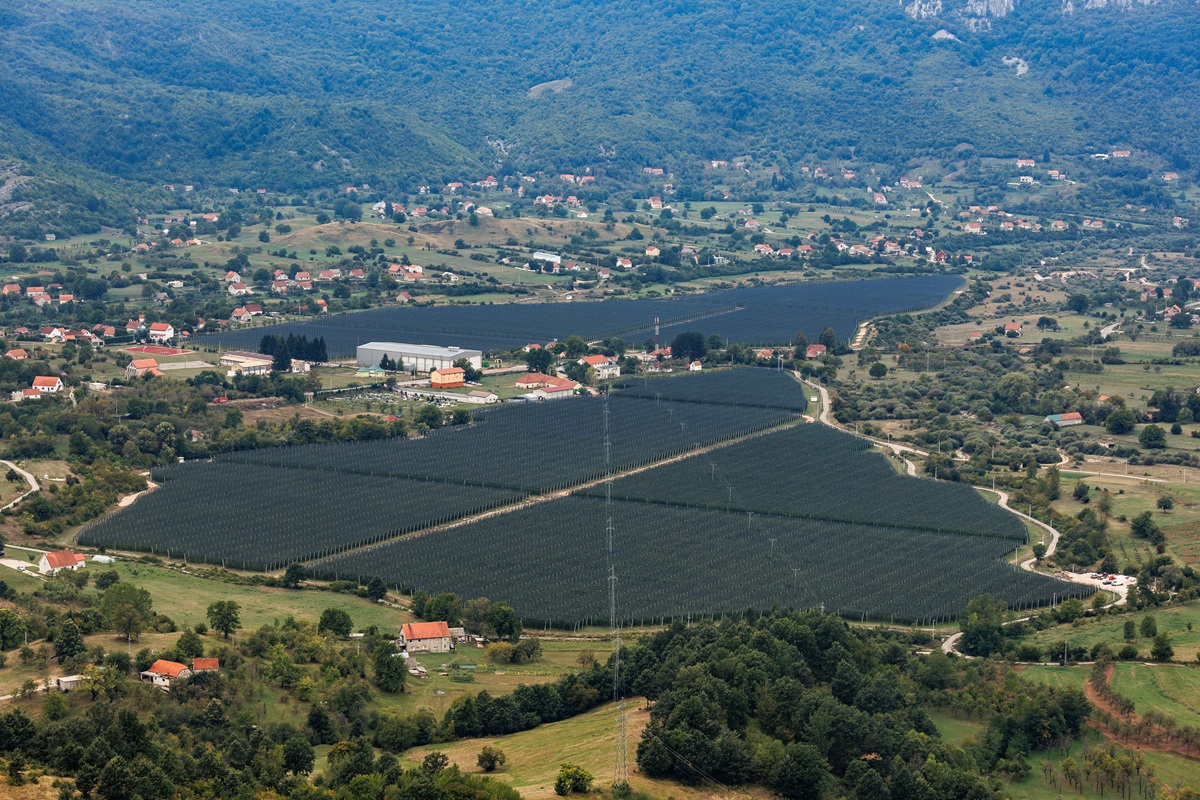
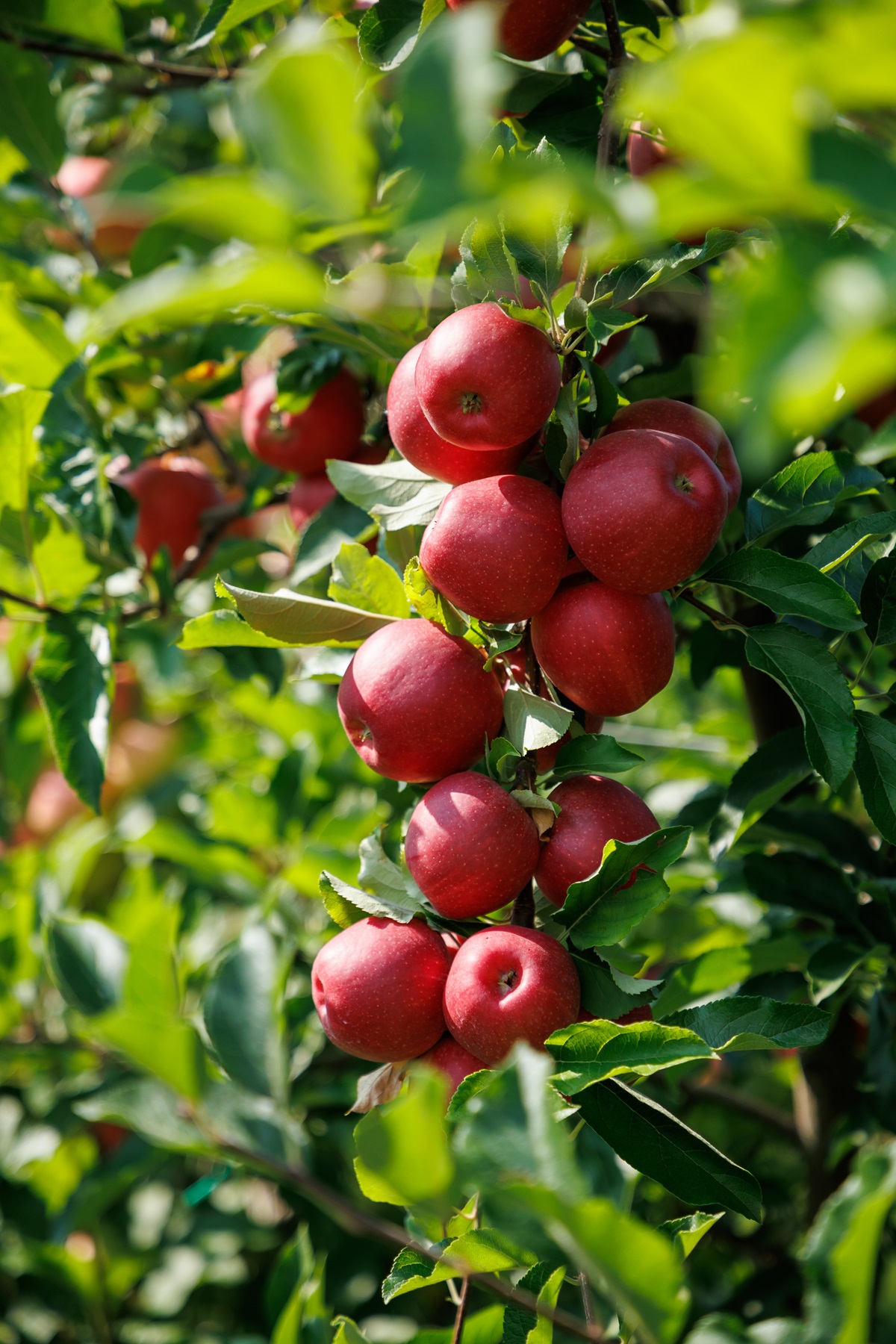
Nestled among lush green hillsides and rocky gorges, where the dramatic landscape plunges down towards a narrow stretch of the Adriatic, small pockets of family-owned agricultural holdings dot the farmland of Montenegro. The newest addition to the country’s agricultural scene is Naše Voće – Montenegrin for ‘our fruit’ – a sprawling 44-hectar apple orchard lined with 125,000 saplings lying 800m above sea level, nestled amidst the country’s green heartland of Župa Nikšićka.
This growing agribusiness is the latest venture of brothers Miloš and Milan Golubović, owners of Veletex Group, which has operated for the past 30 years across additional sectors including horticulture, hotels and food distribution.
In just five years, Veletex Group transformed the ailing orchard business into Montenegro’s largest apple producer.
Alongside deploying the latest farming techniques, the group's drive towards productivity and competitiveness has received backing from the EBRD and the European Union (EU) to further strengthen his homegrown brand.
In 2017, the two brothers acquired a near‑bankrupt farming cooperative.
“People thought we were crazy back then,” Miloš recalls. “In our area, agriculture is mostly seen as a means of survival, not a viable business opportunity. We wanted to change its perception.”
Montenegro’s favourable climate might suggest a more prominent role for agriculture, yet the country remains a net importer of food, as Miloš reminds us.
“We’re a small country,” he says. “We simply do not have the land area to compete with larger markets. But that shouldn’t prevent local agribusinesses from investing, innovating and competing with international imports to meet domestic demand.”
Select an image to expand
Select an image to expand
Miloš and Milan’s first venture into agriculture has since become one of the most significant technological leaps in Montenegrin farming. They injected modern farming techniques into every stage of the apple harvest.
Unlike traditional farming models, Naše Voće is built on modern, high-density planting, a method imported from Northern Italy. In intensive orchards, apple saplings are planted in tightly spaced rows only a short distance apart, allowing for far higher productivity. Naše Voće produces between 60 and 80 tonnes of apples per hectare, compared with around 20 tonnes under traditional extensive farming methods.
The entire orchard plantation is protected by anti-hail netting and overseen by a computer-controlled fertigation system that delivers the correct nutrients through irrigation.
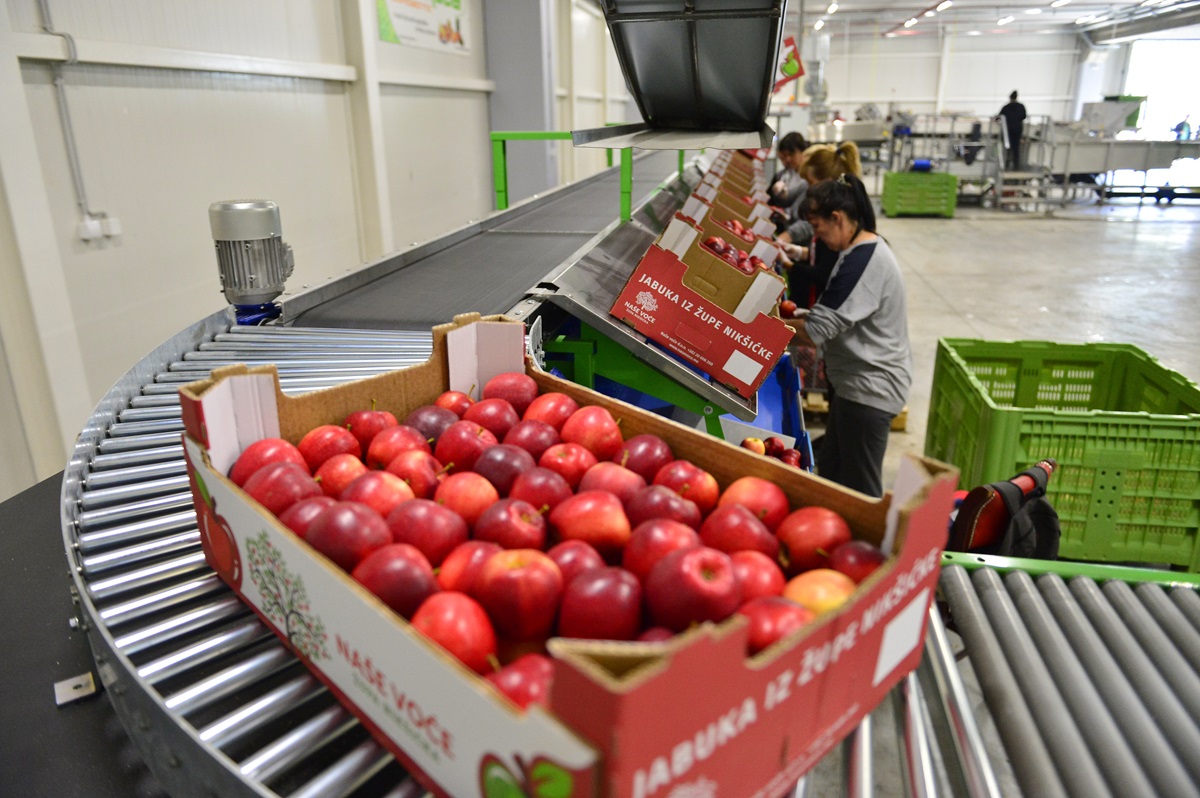
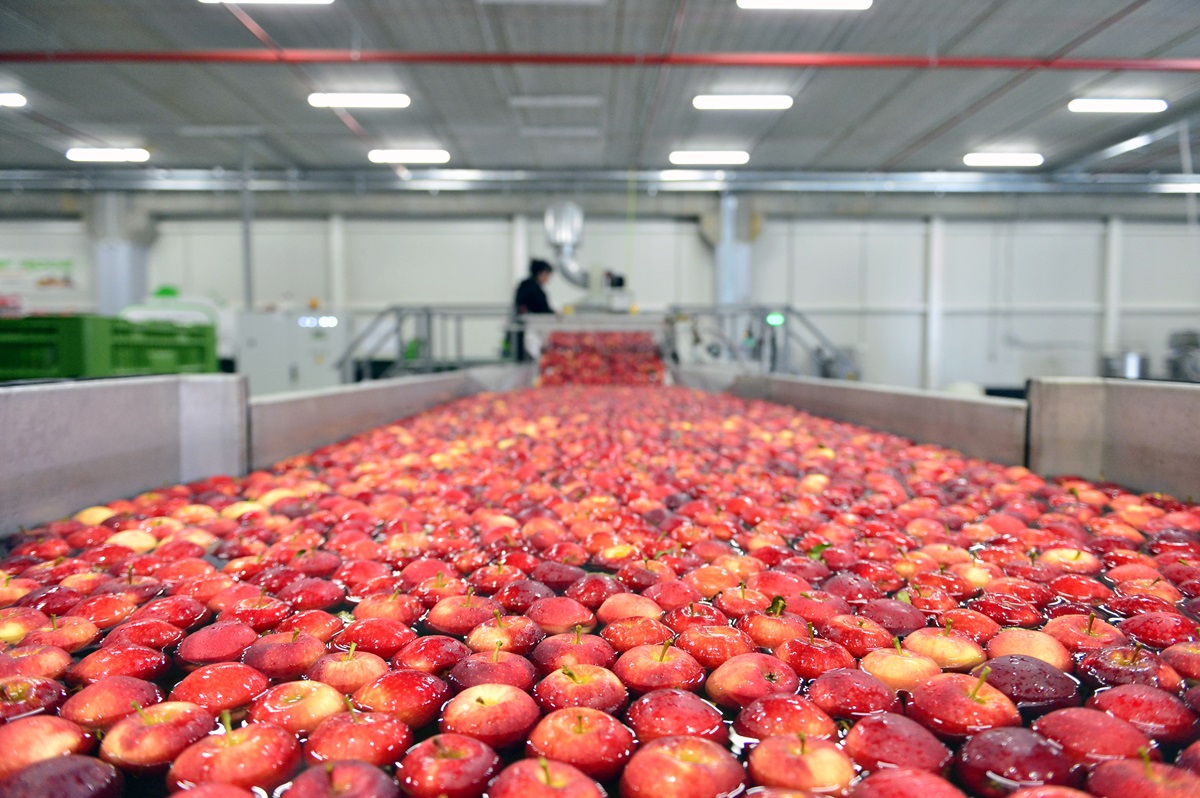
Come harvest time, ripe apples are carried to Montenegro’s first ultra-low oxygen cold storage facility, where the atmosphere keeps the fruit fresh throughout the entire year. From there, the crop is scanned, graded and prepared either for the signature red-and-white crates of Naše Voće or for processing into new products.
The orchard benefits from a unique microclimate, where fluctuating temperatures influence the colour and sugar content of apples. “Even our Granny Smith apples turn blush,” adds Miloš.
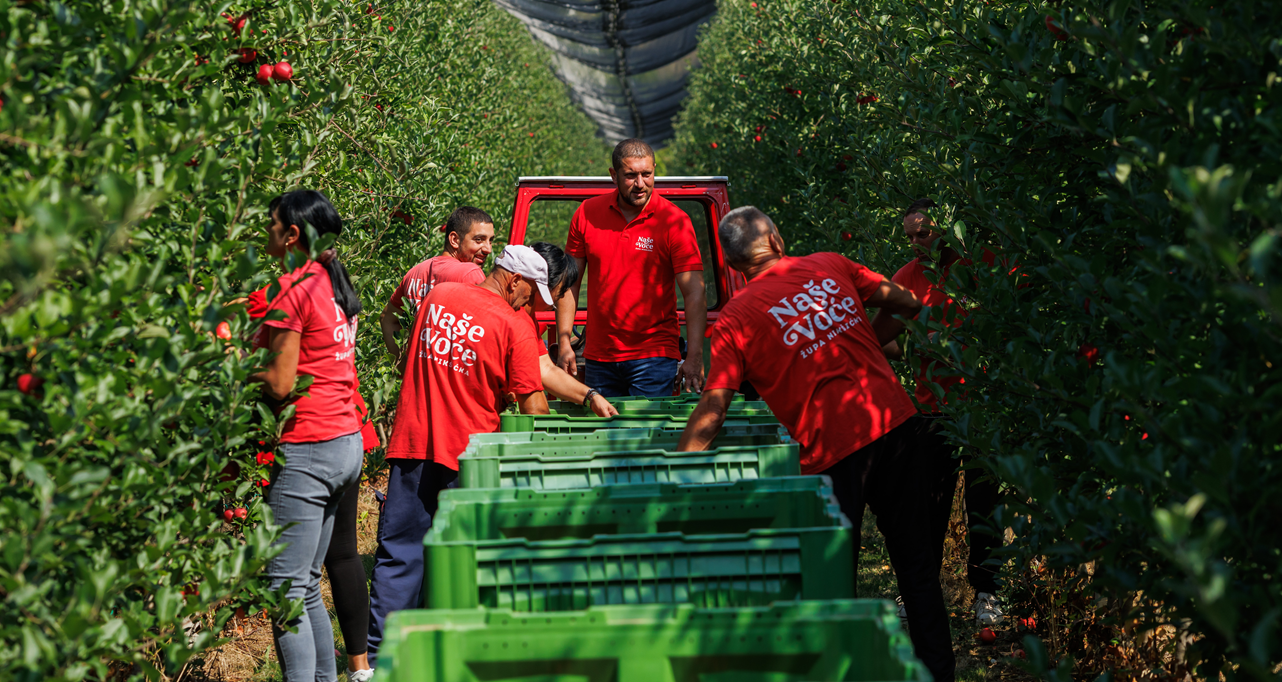
The orchard’s success is driven as much by its people as by its infrastructure. Almost all employees are from the Župa Nikšićka region, and over the years, Naše Voće built a skilled team whose enthusiasm, dedication and knowledge contribute to the orchard’s gradual growth.
The brothers’ decision to start Naše Voće was equally strategic. Primary agriculture was a natural extension of Veletex’s wider business model, which includes Kalia, a chain of garden centres supplying local and imported agricultural products. Fruit production was the missing link between its distribution and primary production segments, taking the family business in new directions.
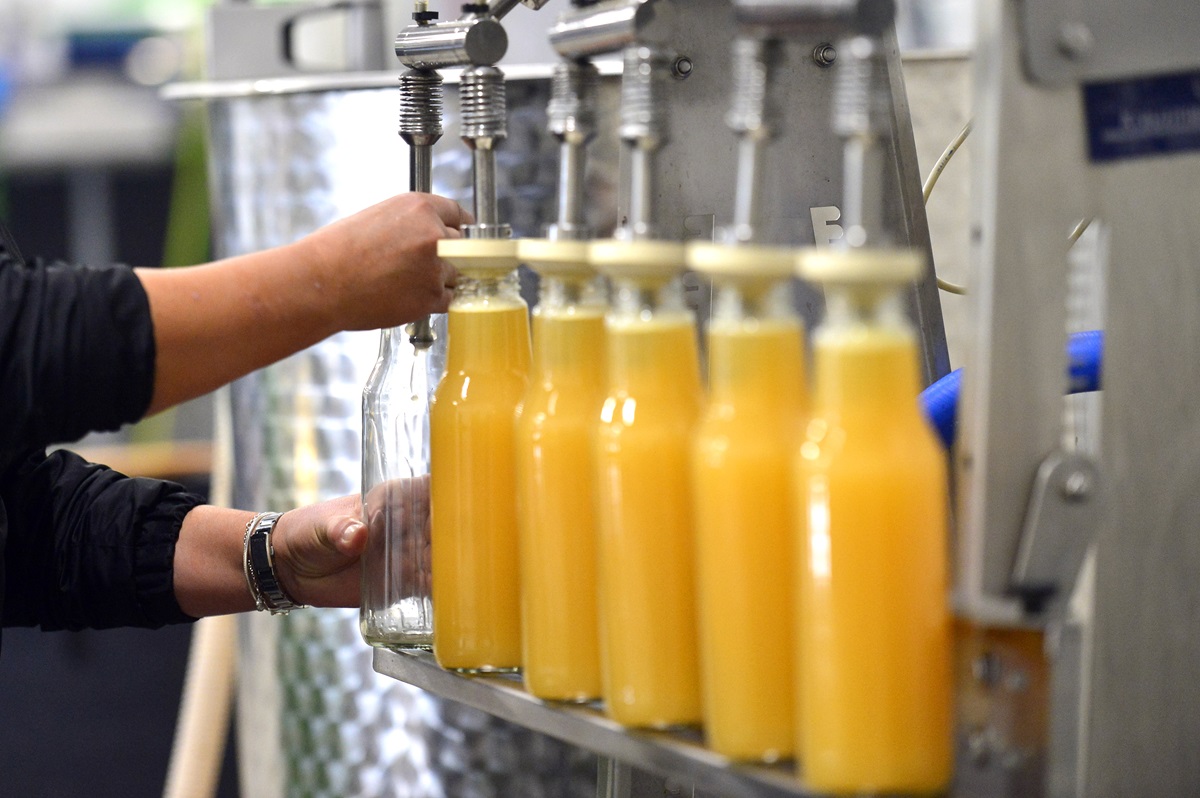
After launching a new assortment of apple juice from the orchard, the brothers reached out to the EBRD for help with a new project.
“Freshly squeezed juices generate a by-product and, if it is not used, it goes to waste,” Miloš explains. “We wanted to create a zero-waste line of jams and marmalades using that extra pulp.”
The EBRD and the EU supported an advisory project to engineer the full fruit-processing line and develop a new suite of confectionery products. Consultants helped define the equipment needed, workforce requirements, production flows, training programmes, and new recipes.
As a result, supermarket shelves across Montenegro now carry four new Naše Voće jams, including sealed cherry and apple fillings, mixed marmalade with residual apple fruit.
Miloš believes education must become a strategic priority for agriculture. In his view, one of the biggest challenges facing producers in Montenegro is the lack of expertise and modern technology needed to stay competitive and respond to changing consumer demand. He has also proved the sceptics wrong.
The brothers have also proved the sceptics wrong. Župa Nikšićka turned out to be a fertile ground for business and Naše Voće has carefully cultivated a homegrown brand that showcases the previously untapped potential of Montenegro’s agriculture and encourages consumers to support the local economy.